
Livraison le jour même ou le lendemain

Qualité garantie

Débloquez vos offres de bienvenue: Livraison GRATUITE | Jusqu'à -80 % | 30 jours d'essai gratuits à JoyPlus
Téléchargez l'application
The aloe vera drink has flooded store shelves, establishing itself as a fresh and unique alternative to classic sodas. It's loved for its unique texture with small, chewy pieces and its wide range of flavours. The problem: with an exploding number of options, it's hard to sort the gems from the duds. Yes, the pitfalls are many and can quickly ruin the experience.
To make sure you get it right, here are the three most common pitfalls to avoid in the aisle:
Fortunately, knowing how to read a label and recognising the right indicators is all it takes to make the right choice.
To avoid disappointment, focus on a few essential parameters. These indicators will help you objectively assess the quality of an aloe vera juice before you even open it.
This is the first thing you should do: scan the percentage of aloe vera in the ingredients list. A drink with real aloe vera pieces will clearly state the proportion of gel or pulp.
The ideal choice? A drink that combines a good percentage of gel for texture and juice for taste.
The nutritional label is your best friend. Take a look at the "Carbohydrates of which sugars" line. If the number is high, you're holding more of a liquid treat than a thirst-quenching drink.
Another clue is the position of sugar (or its relatives like fructose, corn syrup, etc.) in the ingredients list. If it's one of the first ingredients, be wary. For the health-conscious, many brands now offer a sugar-free aloe vera drink, using sweeteners like stevia.
The market is largely dominated by Asian brands, particularly Korean ones, which were pioneers in the category. A Korean drink from the OKF brand, for example, is often a safe bet. With its extensive experience, it has perfected the recipe. Opting for a recognised brand is a good way to avoid unpleasant surprises in terms of taste and quality.
Here are a few options that cater to different needs and consumer profiles, taking into account the criteria mentioned above.
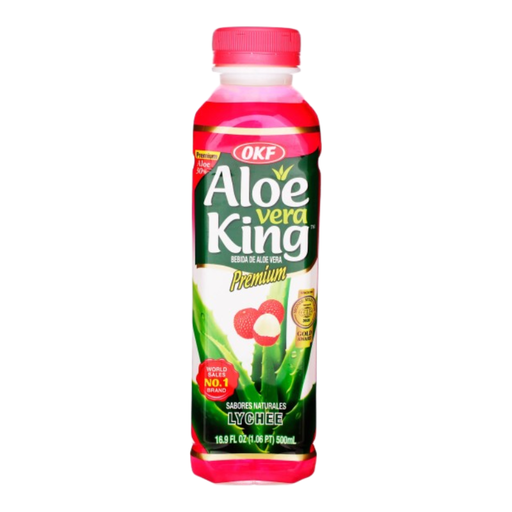
Why we love it: Perfect for those who want to go off the beaten path. The combination of sweet, fragrant lychee and the chewy texture of aloe vera makes for a drink that's as fun as it is refreshing.
The recipe includes a generous amount of aloe vera pulp, ensuring the texture we're looking for and avoiding the trap of a watery drink.
The lychee flavour is perfectly balanced and doesn't overpower the taste of the aloe vera. Bonus: its sugar content is very reasonable (4.7g per 100ml).
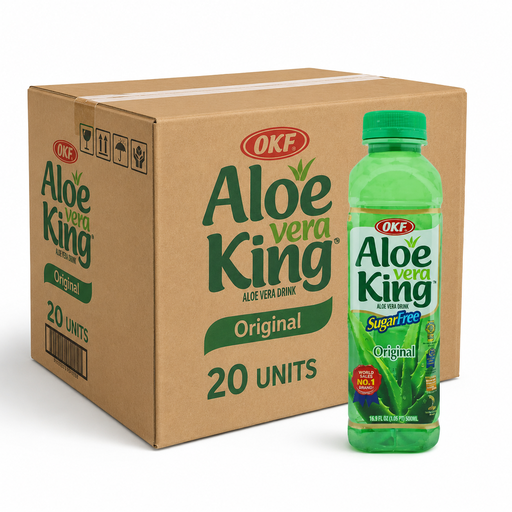
Why we love it: Ideal for enjoying an aloe vera drink without straying from your diet. This version is guaranteed to have no added sugar.
It sidesteps the hidden sugar trap with a 100% sugar-free and carb-free formula, as clearly stated on the label.
It combines 21% organic aloe vera juice and 9% pure gel for an authentic taste and texture, even without sugar. The multi-pack format is also a real bonus for your wallet.
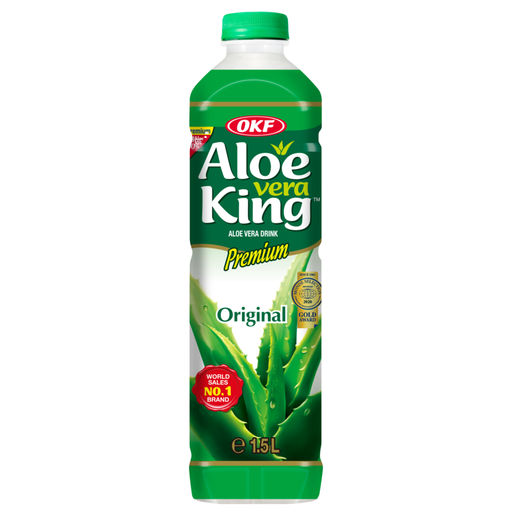
Why we love it: Perfect for families or anyone who drinks a lot and always wants a bottle in the fridge. The generous 1.5L format is as practical as it is economical.
By relying on a trusted name like OKF, even in a large format, you limit the risk of disappointment. The composition is transparent, with 9% aloe vera gel.
The 1.5L bottle fits easily in the fridge for sharing. Its original flavour (grape and honey) is a classic crowd-pleaser.
We have selected a full range of products for you that tick all the boxes in our guide.
To make the right choice, check three key things: the aloe vera content (aim for over 8% gel or pulp), the ingredients list to check for added sugars, and finally the format and flavour that match your preferences.
It all depends on the brand! Many commercial options are basically liquid candy. Anything over 10g of sugar per 100ml is a red flag. The rule of thumb: always read the label. And if you're watching your diet, opt for a sugar-free aloe vera drink.
Before opening, a bottle can be stored in a cupboard, away from heat and light. Once opened, however, it belongs in the fridge! It's best to finish it within 2 to 3 days to enjoy its full freshness and preserve its taste.