Anyone preparing a snack for a workout
If protein is guiding your choice before or after exercise, check the amount per 100 g on the specific product. Anses lists peanuts and almonds among the oilseeds that provide plant protein.


For a back-to-school snack chosen primarily for its protein content, compare nuts and dried fruit using the nutritional values per 100 g: the term “dried fruit” alone isn’t enough to tell them apart. An Auchan product listing for ground almonds gives 25 g of protein per 100 g, while an E.Leclerc listing for roasted almonds gives 27.4 g. By comparison, a Carrefour listing for sultana raisins gives 3 g. These figures apply only to the products mentioned. If you’re choosing a snack for a child, the product’s form and any allergens matter just as much as its protein content.
If protein is guiding your choice before or after exercise, check the amount per 100 g on the specific product. Anses lists peanuts and almonds among the oilseeds that provide plant protein.
A snack that’s easy to take with you isn’t necessarily suitable for every child. Before packing it, check the allergens, whether the form of the nuts is appropriate for your child’s age, and your school’s guidance.
Whether you’re choosing a small bag or a large pack, pick an amount that suits how often you eat it. Compare the ingredients and nutritional values too: a mix and a pack of plain almonds are not the same product.
For a snack to enjoy around sport or during the back-to-school period, start with the factor that really matters for your purchase: protein, ingredients, suitability for a child or pack size. Then check the specific product rather than relying on its category alone.
| What to consider | What to check | Who is it for? |
|---|---|---|
| Protein content | The “protein” value per 100 g, then the amount you plan to eat. Don’t apply the value for plain almonds to a mix or to raisins. | If I’m choosing a snack for sport, I want to know its protein content rather than rely on the name “dried fruit”; around 33% of consumers rank the stated protein content as their top priority. |
| Ingredients | The ingredients list and, depending on your preference, any salt-related claims as well as the “sugars” and “salt” values. | For a regular snack, I’d like to know whether the bag contains mostly nuts or includes a coating too; around 27% of consumers prioritise a product with few added ingredients. |
| Age and allergens | The allergens listed on the pack and whether the product’s form is suitable for the child’s age. | When choosing a snack for a child, I need to be able to pick an appropriate form and identify any allergens before giving it to them; around 20% of consumers make this precaution their top priority. |
| Pack size | The net weight, best-before date and storage instructions after opening. | If I’m preparing several back-to-school snacks, I want a pack we can use and store properly; around 20% of consumers put a size suited to this use first. |
Nuts and dried fruit don’t necessarily have the same nutritional profile. The Auchan and E.Leclerc listings mentioned for almond products show 25 and 27.4 g of protein per 100 g respectively; the Carrefour listing for sultana raisins gives 3 g per 100 g.
Compare the “protein” value for each product, then consider the portion you plan to serve.
Flavourings or coatings change a product’s ingredients. The fact that a product is called “almonds” doesn’t tell you what else it contains.
If you’re looking for a simple ingredients list, check both the ingredients and the nutritional information on the pack.
Whole nuts can pose a choking risk for young children. Nuts and peanuts also need to be checked carefully if there’s an allergy.
Choose a form that’s appropriate for your child’s age and check the labelling on the product they’ll be eating. The DGCCRF says that allergenic ingredients must be highlighted in the ingredients list on prepacked foods.
A pack intended for several snacks needs to stay in good condition after opening; its weight doesn’t tell you anything about its ingredients.
Check the net weight, best-before date and storage instructions, then choose a pack size that suits how often you’ll use it.
A retailer where you can compare peanuts and dried fruit without mixing up their nutritional profiles.
Its range includes almonds in several forms, making it easier to compare ingredients and intended uses.
A specific roasted almond product lets you compare pack size, ingredients and nutritional information together.
A product of shelled almonds provides a useful point of comparison for larger pack sizes.
A smaller pack gives you a specific product to compare with other almonds.
These cashew, peanut and almond products illustrate different options for back-to-school snacks: an unsalted product, an ingredient to prepare or a flavoured bag. To choose based on protein, compare the nutritional information for each product; its name or pack size alone isn’t enough.
 Image unavailable
Worth considering if you’re looking for a bag of unsalted cashews for a snack. Check the ingredients and allergens on the pack before sharing.
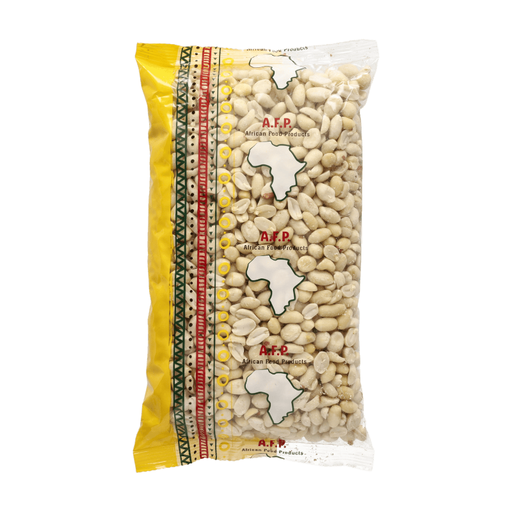 Image unavailable
Worth considering if you’re looking for peanuts to prepare rather than a ready-to-eat roasted snack. Their unroasted form is something to bear in mind when planning your snack; check the pack instructions and allergens.
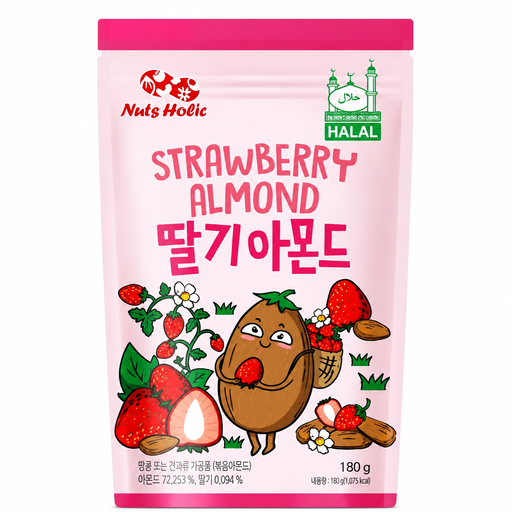 Image unavailable
This 180 g bag may appeal if you’re looking for flavoured almonds. It isn’t a plain version, so check the ingredients and allergens before choosing it for a snack.
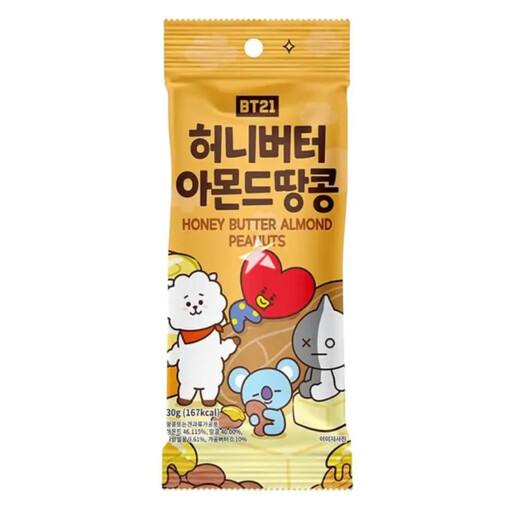 Image unavailable
This 30 g bag is a small portion of honey and butter almonds. If you’re looking for plain nuts or a product without added ingredients, compare its ingredients list and nutritional values with those of another product.
No. “Dried fruit” can mean nuts as well as dried fruit. The Auchan and E.Leclerc listings mentioned for almond products give 25 and 27.4 g of protein per 100 g respectively, while the Carrefour listing for sultana raisins gives 3 g. Compare the value for the specific product you’re thinking of buying.
Manger Bouger gives a small handful of unsalted, unsweetened nuts with no chocolate as a general daily guide. This doesn’t make a snack a post-workout meal: consider the rest of your diet and the portion you actually serve.
The form should be appropriate for the child’s age: whole nuts can pose a choking risk for young children. Check for allergens and your school’s guidance before preparing the snack too.
Start with the ingredients list on the pack you’re going to use. For prepacked foods in France, the DGCCRF specifies that allergenic ingredients must be highlighted in the list; the product’s name alone isn’t a substitute for checking.