For your weekly shop, choose plain almonds for a simple snack or ingredient, or 100% almond butter if you’d rather add almonds to your meals. Compare the protein per portion rather than relying on the word ‘protein’ alone. In the European Union, the claim ‘high in protein’ requires at least 20% of a food’s energy to come from protein, under Regulation (EC) No 1924/2006. E.Leclerc lists 23 g of protein and 636 kcal per 100 g for its Bio Village product, which means it falls below this threshold. A fortified drink or bar is more about choosing a convenient format, so check its ingredients and nutritional information.
Who are these formats for?
People planning a snack around exercise
If you’d like to add almonds to a snack or meal, plain almonds and 100% almond butter make it easy to compare portions, ingredients and allergens. The amount of protein you get depends on the portion you eat, not just the figure given per 100 g.
People planning breakfast
A fortified almond drink may suit you if you’re after something to drink. However, its ingredients may be quite different from those of whole almonds: the Bjorg drink featured by Monoprix contains 2% almonds, with added pea protein.
People looking for something to take on the go
A bar gives you a ready-to-carry portion, but its ingredients should be considered separately from those of plain almonds. As an example of a specific product, Carrefour lists 10 g of protein per 50 g bar for its Inshape almond and cashew bar.
What should you check before choosing?
When planning snacks and meals for the week, start with what matters most to you: protein per portion, ingredients or convenience.
| Criteria |
What to check |
Who is it for? |
| Protein per portion |
Protein per 100 g or 100 ml and per portion you’ll eat; and the proportion of energy from protein if the label claims ‘high in protein’. |
If I choose snacks mainly for their measurable protein content, the figure per 100 g doesn’t tell me enough about my portion. Around 42% of consumers would put this first. |
| Ingredients |
The ingredients list, especially any added sugars, oils and salt, as well as allergen information. |
When planning meals for the week, I might prefer a short ingredients list to a fortified or flavoured product. Around 33% of consumers would share this priority. |
| Format and storage |
The pack weight, portion size and storage instructions after opening. |
If a snack needs to fit in a bag, or an opened drink needs to be used during the week, format takes priority over other criteria. Around 25% of consumers would make convenience their top priority. |
Common misconceptions to avoid
-
Confusing protein content with the ‘high in protein’ claim
The EU threshold is based on the proportion of energy supplied by protein, not simply the grams of protein per 100 g. According to the figures published by E.Leclerc, Bio Village almonds provide 23 g of protein and 636 kcal per 100 g. This means around 14.5% of their energy comes from protein; Regulation (EC) No 1924/2006 sets the threshold for the claim at 20%.
Compare the portion you’ll eat and check the exact claim on the packaging.
-
Mistaking an almond bar for a portion of plain almonds
The Inshape bar described by Carrefour contains 9% almonds and includes other ingredients, such as cashews and dark chocolate. So you can’t tell what’s in it just from the word ‘almonds’ in its name.
If you’re mainly looking for almonds to cook with or snack on, compare the ingredients lists first. Choose a bar for its grab-and-go format if that’s what you need.
-
Relying on the front of the pack for allergen information
According to Carrefour’s product listing, its organic blanched, unroasted almonds may contain traces of peanuts and other tree nuts. Allergen information varies from product to product, and is also important for almond butters, drinks and bars.
Check the ingredients and any ‘may contain’ information on the packaging of each product you’re considering.
-
Treating an almond drink as the same as whole almonds
The Bjorg drink featured by Monoprix contains 2% almonds, with added pea protein. Its liquid format and ingredients make it different from whole almonds or 100% almond butter.
For a drink, check the ingredients and protein per serving. If you’re looking for something to add to meals, compare whole almonds and almond butters instead.
Brands to know when comparing
Carrefour Bio
Carrefour’s range includes blanched, unroasted almonds under this brand.
- The product listing says ‘no added salt’.
- It notes that the almonds may contain traces of peanuts and other tree nuts.
Bio Village
E.Leclerc sells organic almonds under this brand in a 100 g pack, as well as whole almonds sold loose.
- For the 100 g pack, E.Leclerc lists 23 g of protein and 0 g of salt per 100 g.
- These figures apply to this product. Check the label on the format you choose before using them for comparison.
Auchan
Auchan’s almond range includes raw blanched almonds for baking and roasted almonds with no added salt.
- These options let you choose between an ingredient for cooking and roasted almonds for a snack.
- Compare the nutritional information and ingredients for each product individually.
Monoprix Bio
Monoprix sells a 175 g jar of organic almond butter, which can be spread or added to recipes.
- The product listing states that it contains 100% almonds and 22 g of protein per 100 g.
- It also lists 670 kcal per 100 g, so compare this with the portion you’ll actually use.
Trader Joe's
Aldi France has featured 500 g packs of Trader Joe's blanched almonds as part of a limited-time offer.
- A 500 g pack is worth considering if you’re planning to use almonds several times during the week.
- To compare its ingredients, check the ingredients list and nutritional information on the pack available when you shop.
Flavoured almonds available on Joybuy
These two packs of flavoured almonds are an option if you’re looking for an almond snack, particularly one to take on the go. The product name alone doesn’t establish whether they carry the ‘high in protein’ claim. If ingredients or protein per portion matter to you, compare the label with that of plain almonds.
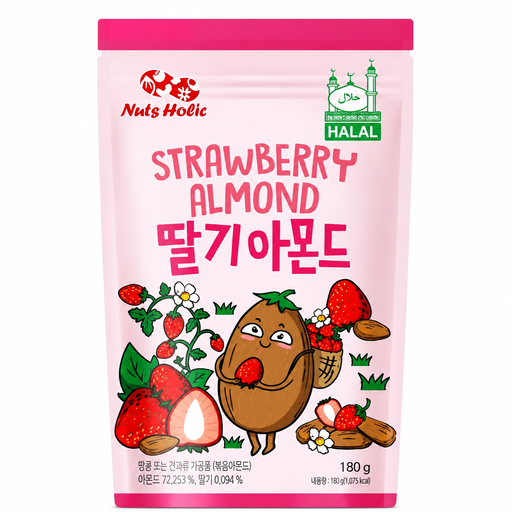 Image unavailable
Nutsholic Almonds Strawberry Flavour, 180 g
Worth considering if you’d like strawberry-flavoured almonds for snacking. The pack contains 180 g. If you’re comparing them with plain almonds, check the ingredients, allergens and nutritional information.
View on Joybuy
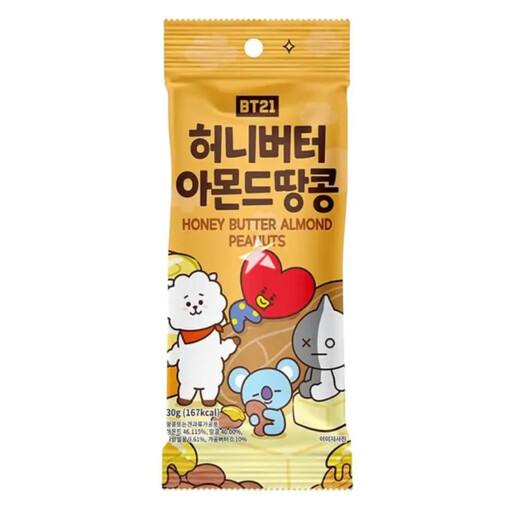 Image unavailable
BT21 Honey Butter Almond, 30 g
Worth considering if you’re looking for a small pack of honey butter-flavoured almonds to take on the go. The pack contains 30 g. Check the label to compare the protein in this portion, the ingredients and the allergens.
View on Joybuy
Frequently asked questions
Can almonds be described as ‘high in protein’?
Not based on grams of protein per 100 g alone. In the European Union, Regulation (EC) No 1924/2006 requires at least 20% of a food’s energy to come from protein before this claim can be used. The figures E.Leclerc publishes for its Bio Village almonds—23 g of protein and 636 kcal per 100 g—work out at around 14.5%.
Which form of almonds should I choose for a snack around exercise?
Choose plain almonds if you want a simple snack, or 100% almond butter if you plan to add it to a meal. If portability and a ready-to-eat portion are more important, a bar is another option. Compare its protein per bar, ingredients and allergens rather than treating it as the same as plain almonds.
What should I check on an almond product if I have an allergy?
Read the ingredients list and any product-specific ‘may contain’ information. Carrefour notes that its organic blanched, unroasted almonds may contain traces of peanuts and other tree nuts. This information doesn’t apply to every other product.
How should I store a fortified almond drink after opening?
The instructions for the Bjorg almond and protein drink featured by Monoprix say to keep it chilled and consume it within four days of opening. Follow the storage instructions and use-by period on the drink you choose.


