Anyone planning a post-workout aperitif
If you’d like to add plant protein to the table, almonds can be part of the meal, but they are not a recovery solution on their own. Anses classifies oilseeds as a source of plant protein.


For a post-workout aperitif, choose plain almonds or almonds roasted without added salt if you want to include plant protein while keeping the seasoning under your control. If you prefer a ready-to-serve flavour, salted or flavoured almonds meet a different need: compare their ingredients and salt content, and don’t rely on almonds alone as a complete recovery option.
If you’d like to add plant protein to the table, almonds can be part of the meal, but they are not a recovery solution on their own. Anses classifies oilseeds as a source of plant protein.
Plain almonds or almonds roasted without added salt let you choose separately what to serve with them. Compare the ingredients list and the ‘salt’ entry for the exact product: Auchan, E.Leclerc, Monoprix and Seeberger list products with no added salt.
Salted or flavoured almonds are a good choice when you’re after an aperitif-style flavour. However, it’s worth checking the seasoning carefully: E.Leclerc’s product listing for Tokapi almonds, for example, includes sunflower oil and salt.
For a post-workout aperitif, start with your main priority: protein contribution, control over the ingredients or an already-seasoned flavour. Then check the pack size and allergen information on each product.
| Criterion | What to check | Who is it for? |
|---|---|---|
| Protein | Compare the protein and energy values per 100 g, then consider the portion you’ll serve. A protein figure in grams alone isn’t enough to support a ‘high in protein’ claim. | After exercise, I want the almonds to contribute protein to the aperitif without treating them as a recovery solution on their own; around 40% of consumers prioritise this contribution. |
| Salt and ingredients | Read the ingredients list and salt content per 100 g; distinguish ‘no added salt’ from a salted or flavoured product. | If I’m already planning to serve other seasoned foods, I’d rather decide for myself how much salt to add to the almonds. Around 40% of consumers put this control over ingredients first. |
| Flavour and serving | Check the flavouring, added ingredients and pack size to make sure it suits the number of guests. | For a sharing platter that doesn’t need any extra seasoning, I’m mainly looking for a ready-to-serve flavour; this is the top priority for around 20% of consumers. |
These two claims don’t mean the same thing. In the European Union, Regulation (EC) No 1924/2006 reserves ‘high in protein’ for foods where at least 20% of the energy value comes from protein; the number of grams per 100 g isn’t enough to draw this conclusion on its own.
When comparing products, check both the protein and energy values on the label. Don’t take them as a promise of sports recovery.
An aperitif-style recipe can include ingredients other than almonds. E.Leclerc’s listing for Tokapi roasted almonds gives the ingredients as 94.5% almonds, 4.5% sunflower oil and 1% salt, so they don’t meet the same criteria as a product with no added salt.
If you want to control the seasoning on your platter, start with a plain or no-added-salt product and check its exact ingredients.
Check the information for the exact product you’re serving. An Auchan listing for almonds with no added salt notes that they may contain traces of peanuts, other nuts, gluten, soya, sesame and sulphites.
For each guest with an allergy or intolerance, check the ingredients list and allergen information on the pack you’ve bought, even if you’re familiar with another size from the same brand.
These products offer useful points of comparison for plain and seasoned almonds. Their characteristics apply to the specific products listed, not to every almond from each brand.
Auchan roasted almonds with no added salt are available in 200 g and 400 g packs, among other sizes.
This Marque Repère product, sold by E.Leclerc, offers 250 g packs of blanched roasted almonds with no added salt.
The 250 g product sold by Monoprix consists of blanched roasted almonds with no added salt.
Auchan stocks Seeberger roasted almonds with no added salt in 150 g packs. The product listing describes them as a ‘source of protein’.
In France, Aldi lists blanched almonds with no added salt in 200 g packs under this brand, as well as salted roasted almonds.
These Joybuy products are flavoured almonds: Sal de Ibiza is presented as an aperitif option, while the Nutsholic and BT21 packs are snacks to share. If plain almonds or almonds with no added salt are your priority, compare labels on products that meet those criteria instead.
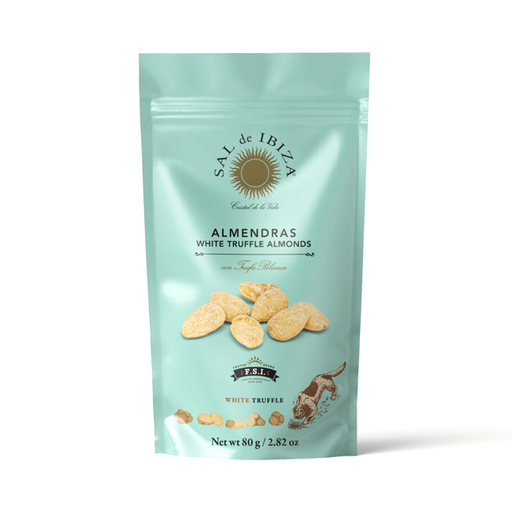 Image unavailable
A flavoured option for an aperitif that’s ready to serve. The pack contains 80 g. If you want to limit salt or added ingredients, compare its ingredients with those of almonds with no added salt, and check the allergen information on the pack.
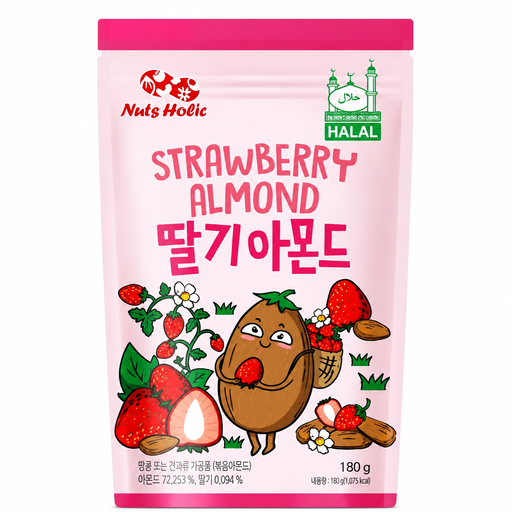 Image unavailable
A strawberry-flavoured almond snack to consider if the flavour suits your table, rather than as a replacement for plain almonds. The pack contains 180 g; read the ingredients and allergen information before serving it to your guests.
 Image unavailable
A small pack of almonds flavoured with honey and butter, presented as a snack rather than as an option with no added salt for an aperitif. The pack weighs 30 g; check the ingredients and allergen information if you plan to share it.
Not based solely on the grams of protein per 100 g. In the European Union, Regulation (EC) No 1924/2006 requires at least 20% of the energy value to come from protein before a ‘high in protein’ claim can be used. Check the nutritional values for the exact product rather than inferring this claim from its protein content.
Read the ingredients and allergen information on the pack you’re going to serve. Anses points out that substances that can cause allergies or intolerances must be highlighted in the ingredients list. An Auchan listing for almonds with no added salt also notes several possible traces, including peanuts and other nuts.
Follow the instructions on the pack you’ve bought and seal it carefully after opening. For its 400 g roasted almonds with no added salt, Auchan recommends keeping the product away from heat and moisture, sealing the pack tightly and eating the almonds within 15 days of opening.
They don’t meet the same criteria if you’re looking to control the seasoning in your aperitif. E.Leclerc’s listing for Tokapi roasted almonds includes added salt and sunflower oil; compare the ingredients list and salt content of each product before you choose.