Who are these options for?

Runners with back-to-back training sessions

If your next session is coming up soon, don’t look only at the protein in your snack. A review of recovery after endurance exercise published on PubMed describes complementary roles for carbohydrates and protein. Almonds can be part of a snack that also includes a source of carbohydrates.

Marathon runners planning their fuelling

It’s important to distinguish an almond snack from the fuel you plan to take during the race. The plain varieties listed by Auchan and Monoprix each contain 9.1 g of carbohydrates per 100 g. Their protein content doesn’t make them a sufficient sole source of carbohydrates during exercise.

Shoppers who check ingredients

Whether you’re choosing plain, dry-roasted with no added salt, or salted roasted almonds, read the ingredients list and allergen information for each product. Auchan and Monoprix list products made solely from almonds as well as a recipe containing sunflower oil and salt.

What should you check before choosing?

First decide whether you want almonds as a post-workout snack or are looking for fuel to take during a race. Then compare the recipe and pack size you’ll actually use.

What matters What to check Who this matters to
Post-exercise snack Protein and carbohydrates per 100 g and per serving; the source of carbohydrates you’ll have with the almonds. When I have another session after a long run, I want a snack that doesn’t rely on the almonds’ protein alone. Around 34% of shoppers prioritise combining them with carbohydrates.
Race fuelling The carbohydrate content of your planned fuel; any portion of almonds you might try during training. For my marathon, I first want to work out how to carry and consume carbohydrates during exercise, without confusing this need with that of an almond snack. This is the priority for around 33% of shoppers.
Ingredients and allergens Ingredients list, salt per 100 g, and allergen or may-contain information on the packaging. If I’m comparing plain almonds with a roasted or salted recipe, I want to know what’s been added and spot any allergens that concern me. Around 20% of shoppers put this check first.
Pack size and portability Pack quantity, resealability and storage instructions after opening. I prefer a pack I can take with me or store, depending on how often I eat almonds. Around 13% of shoppers put this practical consideration ahead of the others.

Common misconceptions to avoid

  • Confusing protein with race fuel

    The Auchan and Monoprix product pages for two plain almond varieties list around 21 g of protein, but only 9.1 g of carbohydrates per 100 g. A publication referenced by PubMed describes intakes of 30 to 60 g of carbohydrates per hour for exercise lasting 1 to 2.5 hours. Almonds alone aren’t suitable carbohydrate fuel for this requirement.

    Plan your carbohydrate sources for the race separately and test your fuelling strategy during training, rather than choosing almonds based solely on their protein content.

  • Comparing protein content alone

    A salted recipe may contain ingredients other than almonds. Monoprix’s product page for its whole roasted and salted almonds lists sunflower oil, salt and 0.64 g of salt per 100 g.

    Compare the ingredients list and nutritional information per 100 g, then relate them to the amount you plan to eat.

  • Overlooking allergen information

    Almonds are tree nuts. Other allergens may be listed in the may-contain information: the Monoprix product page for Profruit almonds, for example, notes possible traces of peanuts, sesame and gluten.

    Check the label on the product you buy, even if you’re familiar with the brand. If you’re allergic to almonds, don’t eat products that contain them.

  • Choosing a large pack without considering how you’ll use it

    If a pack is intended to last for several snacks, you’ll need to be able to store it as directed on the packaging after opening.

    Choose an amount that suits how you’ll use it, and check the resealing and storage instructions for the product you buy.

    A pack you can’t store properly or use in time may go to waste.

Retailers to compare when shopping for almonds

Carrefour

Carrefour offers, among other options, plain almonds and roasted almonds with no added salt under its Carrefour Original brand.

  • These two preparation styles make it easy to start by choosing the recipe you’re looking for.
  • Open the product page for your chosen variety, then check the ingredients, allergens and nutritional information on the packaging.

Auchan

Auchan offers, among other options, plain Wonderful almonds and Maître Prunille roasted almonds with no added salt.

  • Auchan’s product page for plain Wonderful almonds lists 100% almonds, 21 g of protein and 9.1 g of carbohydrates per 100 g.
  • Don’t assume these values apply to the roasted variety: check the nutritional information on the pack you choose.

Monoprix

Monoprix offers raw, blanched Profruit almonds and a roasted and salted Monoprix recipe.

  • The Profruit product page lists 100% raw, blanched almonds.
  • The roasted and salted Monoprix recipe also contains sunflower oil and salt, so compare it as a separate product.

ALDI

ALDI offers a 200 g pack of Trader Joe's roasted almonds with no added salt.

  • The ‘no added salt’ claim helps distinguish this recipe from a salted version.
  • To compare protein or carbohydrate content, check the nutritional information for the product you buy.

An almond option on Joybuy

This strawberry-flavoured option is for anyone looking for an almond snack rather than plain almonds or a roasted variety with no added salt. Check its ingredients and nutritional information before choosing it as a post-exercise snack.
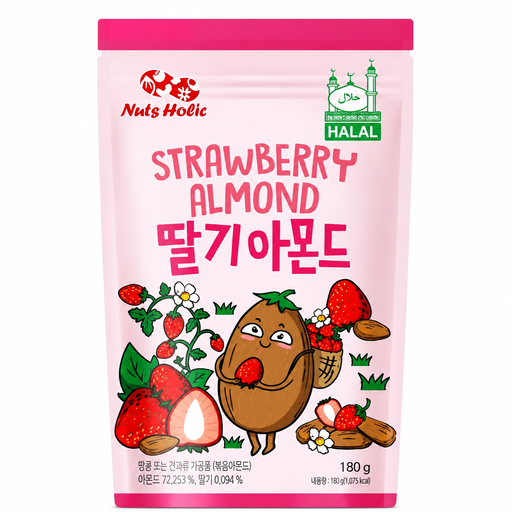
Nutsholic Almonds Strawberry Flavour 180g

Nutsholic Almonds Strawberry Flavour 180g

Worth considering if you’d like a strawberry-flavoured almond snack rather than plain almonds. Comes in a 180 g pack; check the ingredients, allergens and nutritional information for the portion you’ll eat. Don’t assume it’s suitable as your marathon carbohydrate fuel based on the name alone.

View on Joybuy

Frequently asked questions

Can almonds be my only fuel during a marathon?

No, not if you need your fuel to provide carbohydrates during exercise. The Auchan and Monoprix product pages for two plain varieties list 9.1 g of carbohydrates per 100 g. Plan your carbohydrate intake separately and test your strategy during training.

When should I eat almonds after a long run?

You can include them in a snack or meal after exercise, alongside a source of carbohydrates if you want to cover both. A review of endurance recovery published on PubMed describes complementary roles for carbohydrates and protein. The amount you get from almonds depends on your serving size.

Should I choose plain, roasted with no added salt, or salted almonds?

Choose the recipe you’d like to eat, then compare the labels. Auchan and Monoprix list products made solely from almonds, while the roasted and salted Monoprix recipe also contains sunflower oil and salt.

What should I check on the label if I have an allergy?

Check whether the pack contains almonds, and look for information about other allergens and possible traces. The Monoprix product page for Profruit almonds mentions possible traces of peanuts, sesame and gluten; this information doesn’t apply to every product.

How do I choose a pack of almonds to take with me?

Choose an amount that suits the portion you plan to take and the storage conditions listed on the packaging. If you’re having almonds on a run, try the portion during training first, and keep your planned carbohydrate fuel separate.