People looking for a snack around their workout
You want a pack that’s easy to take with you, and you’d like to know how much protein your portion provides, without treating almonds as a complete post-workout meal.


For drinks that can also double as a snack around your workout, choose whole almonds, either plain or roasted with no added salt, for a simple option. Then compare the protein and energy content for the portion you plan to serve. Seasoned varieties are better suited to when you fancy a ready-made flavour: check their ingredients and salt content separately. Almonds can make a useful addition to a snack, but they cannot meet all your recovery needs on their own.
You want a pack that’s easy to take with you, and you’d like to know how much protein your portion provides, without treating almonds as a complete post-workout meal.
You’d rather serve plain almonds or those roasted with no added salt, and let everyone choose their own seasonings and accompaniments.
Before sharing a pack, you check its ingredients, any allergen warnings and storage instructions.
When comparing different recipes, start with the pack label, then work out the nutritional values for the portion you’ll actually serve.
| What matters | What to check | Who is it for? |
|---|---|---|
| Protein per portion | Compare the protein per 100 g, then for the portion you have in mind, alongside the energy listed for the same amount. | If almonds are part of a snack around my workout, I want to know what I’m getting from the amount I eat. Around 31% of consumers rank clearly stated protein content as their top concern. |
| Added salt | Look for the words ‘no added salt’, then check the ‘salt’ line and the ingredients list. | When serving an unsalted option with drinks, I prefer to choose the seasonings myself. Keeping added salt in check is the main priority for around 31% of consumers. |
| A sharing-size pack | Check the net weight and storage instructions after opening, especially for a large pack. | When several friends are helping themselves from the same pack, I want a size that suits the group without leaving too many almonds open afterwards. Around 23% of consumers prioritise this practical serving size. |
| Ingredients and allergens | Read the ingredients, any stated allergens and any ‘may contain’ warnings on the pack you buy. | Before offering almonds to everyone, I need to be able to check exactly what the product contains. This is the main concern for around 15% of consumers. |
The product information for Auchan’s 400 g pack of roasted almonds gives 6.8 g of protein and 158 kcal per 25 g portion. So the amount you eat affects how you should interpret the figures shown per 100 g.
Compare protein and energy for the same portion before deciding how much to serve.
The Bio Village recipe listed by E.Leclerc contains 2.5% sunflower oil, while Daco Bello’s product information at Auchan says the almonds are roasted with no added oil. The preparation method alone doesn’t tell you everything about the ingredients.
Check the ingredients list and the ‘salt’ line for each product, especially when comparing plain and seasoned almonds.
A recipe containing only almonds doesn’t rule out an allergy to almonds themselves. Some Auchan product listings also warn that other allergens may be present; this varies by product.
Ask your guests about their dietary requirements and read the information on the pack you’re actually serving.
For its roasted almonds with no added salt, Auchan advises resealing the pack tightly and eating the contents within 15 days of opening.
Choose the net weight to suit the number of guests and follow the instructions for the product you buy.
The product listings reviewed include Auchan’s roasted almonds with no added salt in 200 g and 400 g packs.
A 100 g pack of organic roasted almonds with no added salt, for anyone looking for a smaller pack.
A 175 g pack of roasted almonds with no added salt, listed on Carrefour’s website.
A 150 g pack of roasted almonds with no added salt, featured on an Auchan product listing.
A 100 g pack of organic roasted almonds featured by Monoprix Courses.
A 200 g pack of blanched almonds with no added salt is listed on ALDI France’s website.
These two packs are best suited to when you fancy flavoured almonds with drinks or as a light snack. If you’re choosing based on protein, salt or allergens, compare the information on their packaging with that for plain almonds or those roasted with no added salt.
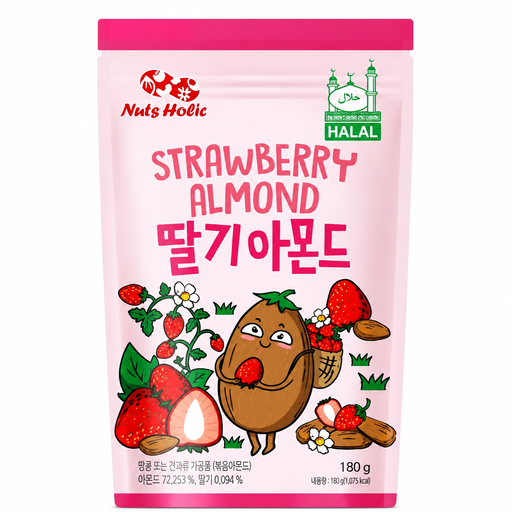 Image unavailable
The 180 g pack could be a good choice if you want to serve strawberry-flavoured almonds to several people. Before choosing it as a snack around your workout, compare the protein per portion and check the ingredients, salt and allergens on the packaging.
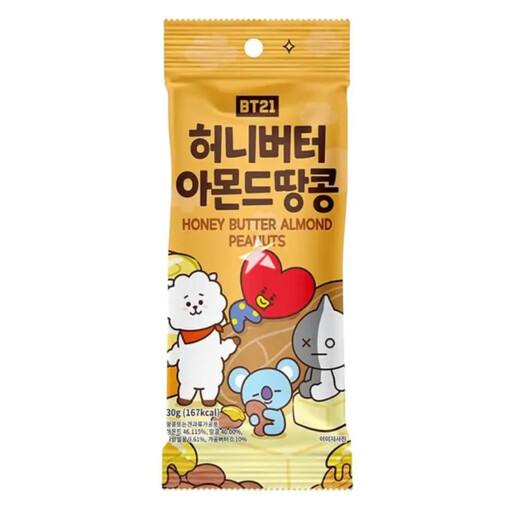 Image unavailable
The 30 g pack makes a handy small portion to take with you or serve alongside other food with drinks. Its name suggests a honey and butter recipe: check the ingredients, allergens and nutritional information on the pack if these factors will influence your choice.
Their plant-based protein can make them a useful addition to a snack, but they cannot meet your individual recovery needs on their own. Auchan’s listing for the 400 g pack gives 6.8 g of protein per 25 g portion. Compare this with the amount you plan to eat and the rest of your diet.
Choose them if you want to serve an unsalted option or follow Manger Bouger’s recommendation to choose unsalted, unsweetened nuts. The words ‘no added salt’ don’t remove the need to check the ingredients list and salt content for the specific product.
Read the ingredients list and check the pack for any ‘may contain’ warnings. The DGCCRF states that allergenic ingredients must be highlighted on food labels. When sharing food with drinks, don’t assume that a short ingredients list makes a product suitable for everyone.
Follow the instructions on the pack. For its roasted almonds with no added salt, Auchan recommends resealing the pack tightly and eating the contents within 15 days of opening; Seeberger advises keeping its product away from heat and moisture.