What should you check?
If you’re considering almonds after exercise, first identify the substances you need to avoid. Then compare the recipe, nutritional information and pack size to find what suits your needs.
| What matters | What to check | Who is it for? |
|---|
| Allergens |
Identify the allergen you need to avoid, then read the ingredients and any ‘may contain’ warnings for the exact product. Anses classifies almonds as tree nuts. |
If I need to avoid almonds, I choose a different type of snack; if I’m avoiding something else, ‘may contain’ warnings matter too. Around 33% of consumers put allergen checks first. |
| Added ingredients and salt |
Compare the ingredients list and the salt content per 100 g; ‘no added salt’ doesn’t mean ‘allergen-free’. |
For a snack with a simple recipe, I want to distinguish plain or no-added-salt almonds from flavoured varieties. Around 27% of consumers prioritise a simple ingredients list. |
| Part of your snack |
Read the nutritional information for the product and take into account the other foods you plan to eat. |
After exercise, I want to consider how almonds fit into my snack, rather than relying on them alone. Around 27% of consumers prioritise how the food fits into the meal. |
| Pack size and storage |
Check the net weight, date and storage instructions on the packet. |
If I use one packet for several snacks, I want a size that suits how quickly I’ll eat it. Convenience and storage come first for around 13% of consumers. |
Almonds available on Joybuy
These two flavoured varieties are worth considering as part of a post-exercise snack if you eat almonds. They’re not plain almonds with a minimal ingredients list, so check the allergens against the specific substances you need to avoid.
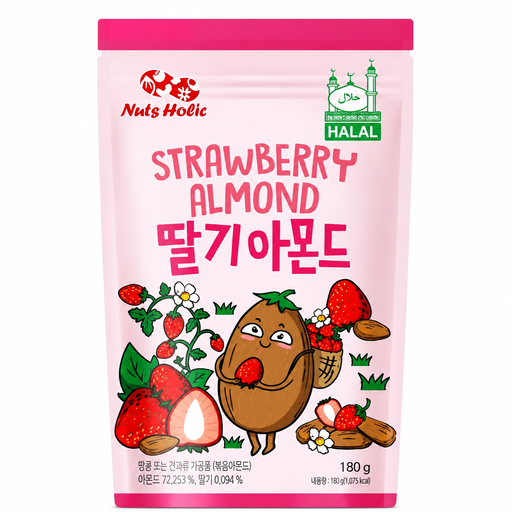 Image unavailable
Nutsholic strawberry-flavoured almonds, 180 g
A flavoured almond snack to consider if it fits your dietary requirements. The listed recipe contains almonds and milk, as well as added ingredients including sugar. It also warns of possible traces of cereals containing gluten, peanuts and sesame. Before deciding whether it’s right for you, check the information on the packet you buy.
View on Joybuy
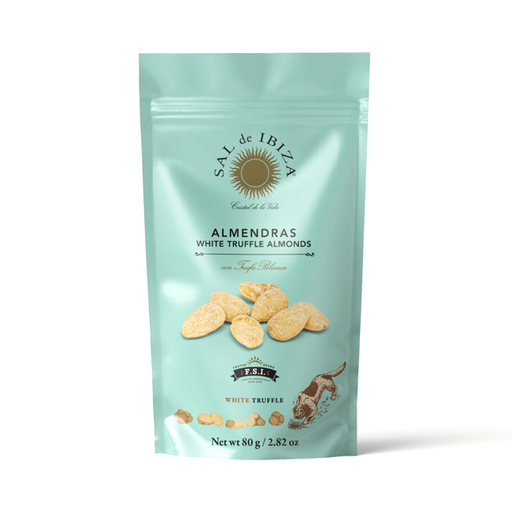 Image unavailable
Sal de Ibiza White Truffle Almonds & Sdi, 80 g
Another flavoured almond variety to consider as part of a snack, provided its ingredients suit your dietary requirements. The information provided lists almonds, milk and lactose, and warns of possible traces of peanuts, other tree nuts, gluten, sulphites, sesame and soya. Check the label on the item you buy, particularly for allergen information and storage instructions after opening.
View on Joybuy
Frequently asked questions
Can I eat almonds if I’m avoiding tree nuts?
No. As Anses points out, almonds are tree nuts. Choosing a plain or no-added-salt variety doesn’t change that. If you’re avoiding a different substance, also check the ingredients and ‘may contain’ warnings for the specific product.
Where can I check the allergens in a packet of almonds?
Read the ingredients list and any ‘may contain’ warnings on the packet you’ve chosen. The DGCCRF points out that prepacked food labelling includes, among other things, an ingredients list. When shopping online, check the information shown before you order, then check the packet when it arrives.
Does ‘no added salt’ mean ‘allergen-free’?
No. Auchan’s roasted almonds with no added salt contain almonds, and the product listing warns of possible traces of peanuts, other tree nuts, gluten, soya, sesame and sulphites. Check each warning against the substance you need to avoid.
How should I store almonds after opening?
Follow the instructions on the packet you’ve bought. For its roasted almonds with no added salt, Auchan advises resealing the packet tightly and consuming the almonds within 15 days of opening. Don’t assume the same instructions apply to another product.


