What should you check first?
For a Christmas market, start with how you plan to use them: as a snack where you’re comparing protein, in a simple recipe, as an appetiser or for a gathering where extra precautions are needed.
| Criterion |
What to check |
Who is it for? |
| Protein |
The amount per 100 g and the portion you plan to serve; distinguish plain almonds from a protein bar containing almonds. |
If I’m choosing a snack to have around a workout, I want to know what I’ll get from the amount I actually eat, without confusing two different product types. Around 31% of consumers rank protein content as their top priority. |
| Ingredients and salt |
The ingredients list, the ‘no added salt’ claim and the salt content. |
If I’m preparing bags to serve as they are or use in a recipe, I prefer ingredients that are easy to identify. Around 31% of consumers prioritise this simplicity and low added salt. |
| Appetiser-style flavour |
The proportion of almonds and any added ingredients, particularly oil, sugars, salt and flavourings. |
For a festive tasting, I might be looking for a seasoned flavour rather than a plain bag. Around 23% of consumers put appetiser-style flavour first. |
| Allergens and storage |
Allergens and possible traces listed on the bag, along with storage and resealing instructions. |
Before serving guests or preparing bags in advance, I need to be able to check the label and store the product as instructed. These precautions are the main concern for around 15% of consumers. |
Flavoured almonds available on Joybuy
These bags are suited to festive tastings featuring flavoured almond products. If you’re looking for plain or dry-roasted almonds with no added salt, check the label in that category instead; flavour alone doesn’t tell you how much protein a product contains.
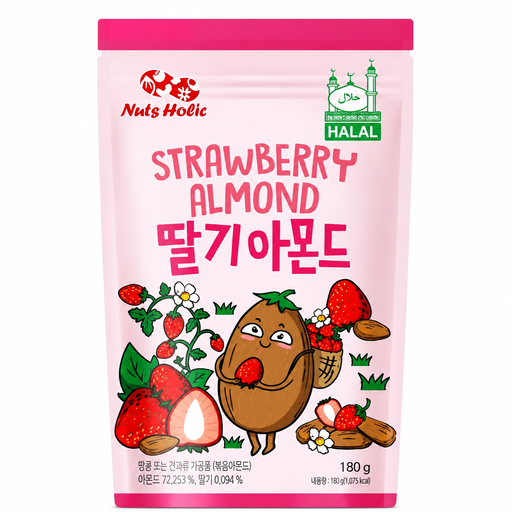 Image unavailable
Nutsholic Almonds Strawberry Flavour, 180 g
For a festive strawberry-flavoured tasting. The bag contains 180 g; check the added ingredients and allergen information before serving.
View on Joybuy
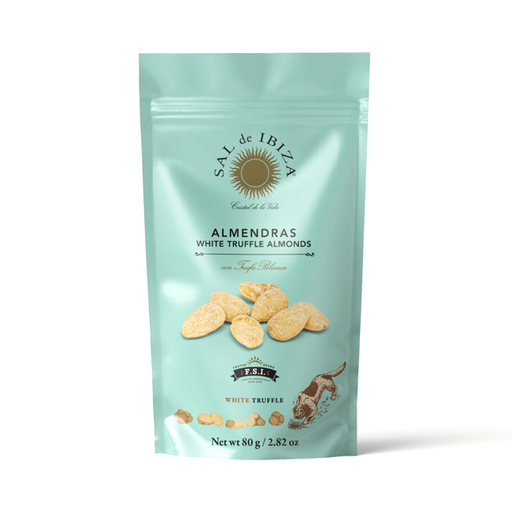 Image unavailable
Sal de Ibiza White Truffle Almonds & Sdi, 80 g
For an appetiser with a white truffle flavour. The pack contains 80 g; if you’re serving several people, check the salt and allergen information on the packaging.
View on Joybuy
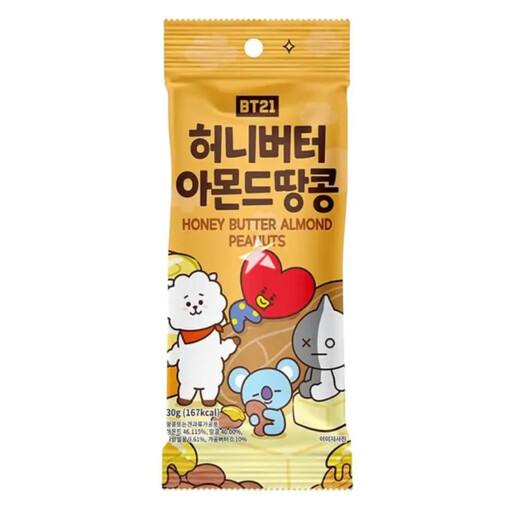 Image unavailable
BT21 Honey Butter Almond, 30 g
A small 30 g snack with a honey and butter flavour. Check the ingredients and allergens before adding it to a selection.
View on Joybuy
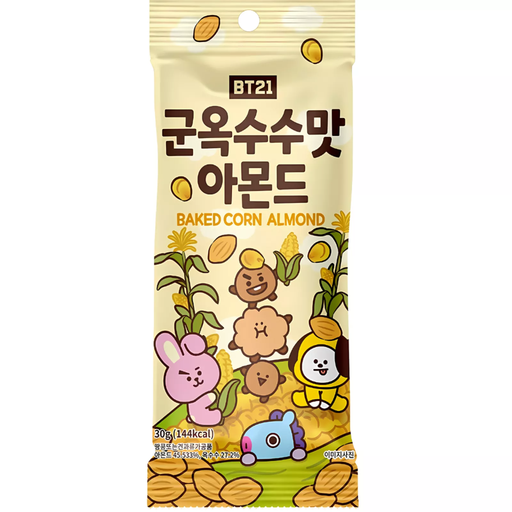 Image unavailable
BT21 Baked Corn Flavor Almond, 30 g
A small festive snack with a corn flavour. The bag contains 30 g; if protein is your priority, compare the ingredients list and nutrition information with those for plain almonds.
View on Joybuy
Frequently asked questions
Are almonds enough for a protein-focused snack?
They provide plant protein, but the amount per 100 g doesn’t tell you how much you’ll actually eat. The almond products featured by Auchan and E.Leclerc list between 21 g and 27.4 g of protein per 100 g, depending on the product. Check the portion you plan to have too, and don’t present a handful of almonds as a complete sports recovery solution.
What should you look for behind a ‘high in protein’ claim?
Start with the product description, its ingredients and the stated protein content per 100 g: a bar containing almonds isn’t the same as a bag of almonds. European regulations on nutrition claims govern the use of such wording, so don’t assume that a product can carry this claim simply because it contains almonds.
Can smoked almonds be compared directly with plain almonds?
Not based on the product name alone. The TOKAPI smoked-flavour product featured by E.Leclerc contains 90% almonds, as well as ingredients including oil, salt and flavourings; it lists 1.2 g of salt per 100 g. By comparison, the Couleurs Vives dry-roasted almonds with no added salt featured by E.Leclerc list 0.0 g of salt per 100 g.
What should you check before serving almonds to guests?
Read the packaging for the exact product and keep it to hand when serving. Almonds are an allergen, and some Auchan listings warn of possible traces of peanuts or other nuts. The DGCCRF reminds consumers that allergens must be emphasised in the ingredients list of prepacked foods.
How should you store a bag of almonds after opening?
Follow the instructions on the bag you’ve chosen. The Auchan listings for the products reviewed advise keeping almonds away from heat and moisture and, for the ‘special for baking’ format, sealing the packaging tightly after opening.


