Anyone comparing plant-based protein
You want to choose nuts for a snack and work out how the protein listed per 100 g translates to the portion you’ll actually eat. Anses includes almonds among the oilseeds that provide plant-based protein.


Almonds can make a suitable pre-workout snack if you have enough time before your session and tolerate them well. Their protein content alone, however, doesn’t make them the best choice immediately before exercise. Two Auchan products list 21 and 25 g of protein per 100 g, but also contain fat and fibre. If you’re eating shortly before exercise or have a sensitive digestive system, Alberta Health Services recommends choosing foods that are lower in fat and fibre.
You want to choose nuts for a snack and work out how the protein listed per 100 g translates to the portion you’ll actually eat. Anses includes almonds among the oilseeds that provide plant-based protein.
If eating close to your session makes you uncomfortable, the timing, portion size and how well you tolerate the food matter just as much as its protein content. Alberta Health Services recommends foods lower in fat and fibre to help limit digestive problems before exercise.
A bag of nuts and a filled bar don’t quite meet the same needs. Compare the portion you’ll take with you, the ingredients list, salt content and allergens in the product you choose.
For a pre-workout snack, start by considering how long you have before your session. Then compare the portion size and ingredients of the product you’re interested in.
| What matters | What to check | Who is it for? |
|---|---|---|
| Protein in your portion | Compare the protein per 100 g, then work out how much you’ll get from the amount you plan to eat. | If plant-based protein is your main priority, the figure per 100 g won’t tell you how much you’ll get from a handful. Around 36% of consumers would prioritise protein per portion. |
| Comfort before your session | Consider how long you have before exercise and check the fat and fibre content. Try the snack during training first. | If your session is coming up and eating sometimes makes you uncomfortable, your main concern is finding a portion you can tolerate. Digestive comfort would be the priority for around 29% of consumers. |
| Ingredients and allergens | Check the ingredients, salt content, highlighted allergens and any ‘may contain’ warnings on the exact packaging. | To choose between plain nuts, a salted mix and a bar, you need to know what each one contains. Around 21% of consumers would put checking the ingredients first. |
| Easy-to-carry format | Check the size of the bag or bar and any storage instructions after opening. | If you take your snack with you when you’re out and about, being able to carry and portion it easily may matter more than its other features. This convenience would be the main priority for around 14% of consumers. |
The figures listed per 100 g won’t necessarily reflect what’s in your snack. Depending on the product, Auchan’s almond listings show 21 or 25 g of protein per 100 g, as well as fat and fibre.
Start with the amount you plan to eat and use the nutritional information for that exact product to work out its protein content.
The fat and fibre in almonds may matter more when you have little time before exercising. Alberta Health Services recommends foods lower in fat and fibre to help prevent digestive discomfort.
Adjust the portion and timing to suit you, and try the snack during training rather than for the first time before an important session.
A mix may contain several types of nuts, oil and salt. E.Leclerc’s listing for the TOKAPI mix shows 0.4 g of salt per 100 g. For regular consumption, Manger Bouger recommends a small handful of unsalted, unsweetened nuts with no chocolate.
Check the ingredients and salt content of the bag you choose rather than relying on the words ‘nuts’ alone.
An almond-based recipe may also carry warnings about other ingredients or traces. The DGCCRF states that allergenic ingredients in prepacked food must be clearly highlighted.
If allergens affect your choice, check the ingredients list and any ‘may contain’ warnings every time you buy.
Two shelled almond products let you compare the ingredients in different pack sizes.
A 100 g bag of organic roasted almonds with no added salt is available.
The 120 g pack of organic roasted and salted almonds is a different choice from plain nuts.
ALDI offers a product of roasted almonds with no added salt.
Carrefour Bio almond flour is better suited to a recipe than to a handful to take with you.
These two portable products offer different options: a bag of flavoured almonds and a peanut bar. For a pre-workout snack, compare their ingredients and how much you plan to eat rather than treating them as equivalent to plain almonds.
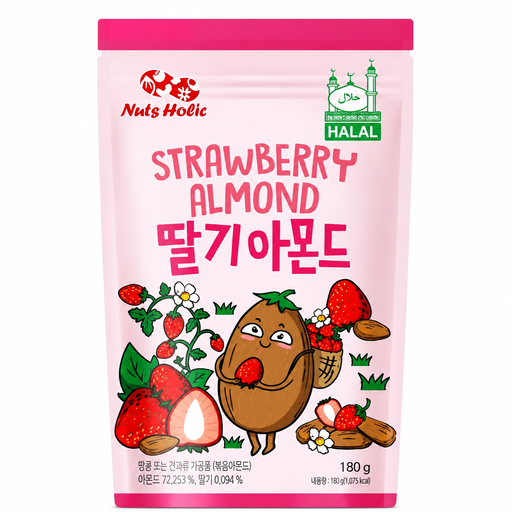 Image unavailable
This bag may suit anyone who wants to portion out almonds to take with them rather than choose a bar. The recipe is strawberry-flavoured, so if you’re looking for plain, unsalted almonds, compare the ingredients list and check the allergens on the packaging.
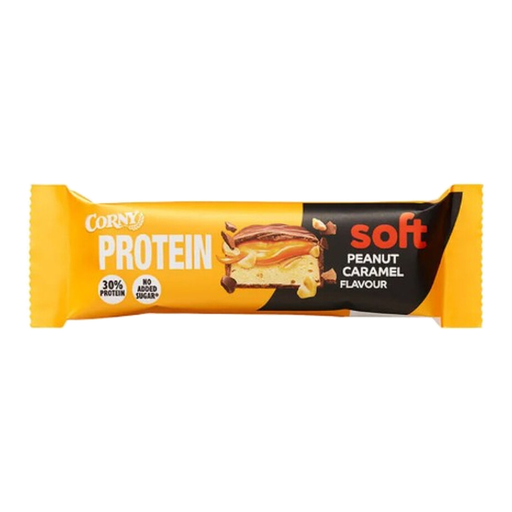 Image unavailable
This 45 g bar is a single-serve option, rather than a choice of plain nuts. Before having it close to a session, check the ingredients, allergens and nutritional information per bar, and consider how well you tolerate it.
Yes, almonds provide plant-based protein, but how much you get depends on your portion. Anses includes almonds among the oilseeds that provide protein, and two Auchan product listings show 21 and 25 g of protein per 100 g respectively. If your session is coming up, remember to consider their fat and fibre content too.
Not necessarily, particularly if you have a sensitive digestive system. Alberta Health Services recommends choosing foods lower in fat and fibre before exercise to help prevent digestive problems. Adjust the portion and try the snack during a training session first.
For regular consumption, Manger Bouger recommends a small handful of unsalted, unsweetened nuts with no chocolate. If you choose a seasoned mix, check its ingredients and salt content rather than comparing it directly with plain almonds.
Check the ingredients list and any ‘may contain’ warnings on the packaging of the product you buy. In France, the DGCCRF states that allergenic ingredients in prepacked food must be clearly highlighted in the ingredients list.