What should you check before choosing?
For lunch at uni, first decide what role the almonds will play in your meal. Then compare the nutritional information per 100 g and the ingredients of the products you’re considering.
| What matters |
What to check |
Who is it for? |
| The role of protein |
Compare protein and energy per 100 g; the amount of protein alone doesn’t determine whether a product can be labelled ‘high in protein’. |
If protein is my priority after a workout, I want to know how much the almonds provide without relying on them to make up my whole lunch. Around 40% of consumers put this verifiable contribution at the top of their needs. |
| What’s in your lunch |
Check the energy per 100 g and plan what else you’ll have with your meal. |
To avoid making a bag of almonds my entire lunch, I decide what I’ll eat alongside them. This need to plan the meal comes first for around 30% of consumers. |
| A pack to take with you |
Check the net weight and choose between ready-to-eat whole almonds and ingredients intended for cooking or baking. |
Between lectures, I’m mainly looking for something portable that I can eat without preparing it. This is the priority for around 20% of consumers. |
| Ingredients and salt |
Read the ingredients list, salt content per 100 g and any highlighted allergens. |
Before buying a seasoned version, I want to know what it contains and check for any listed allergens. Around 10% of consumers put this check first. |
Almond snacks on Joybuy
These flavoured almond snacks on Joybuy are worth considering as an addition to lunch at uni. If you’re looking for plain almonds, check the product name and ingredients rather than choosing one of these packs based on the word ‘almonds’ alone.
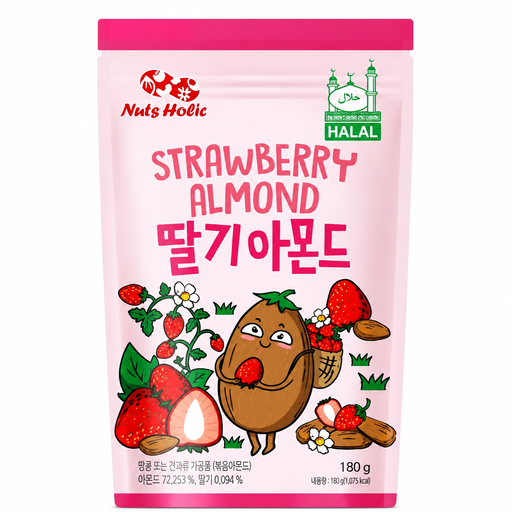 Image unavailable
Nutsholic Almonds Strawberry Flavour, 180 g
Worth considering if you’d like to take a flavoured almond snack with you to have alongside lunch, rather than plain almonds. The product comes in a 180 g pack; check the ingredients, allergens and nutritional information for this recipe before choosing.
View on Joybuy
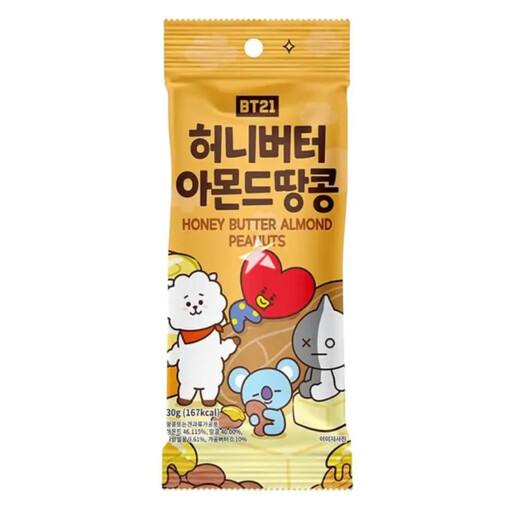 Image unavailable
BT21 Honey Butter Almond, 30 g
The 30 g bag is a compact option to take between lectures or have with a meal. It’s a honey-butter-flavoured recipe, not plain almonds, so check the ingredients and nutritional information if these are important to your choice.
View on Joybuy
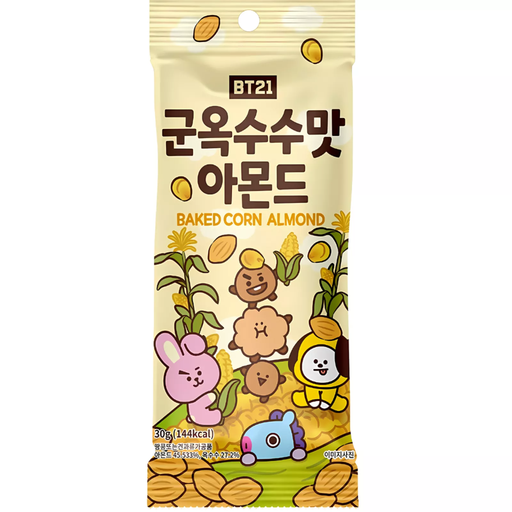 Image unavailable
BT21 Baked Corn Flavor Almond, 30 g
This 30 g pack can go with a packed lunch if you’re looking for a corn-flavoured almond snack. Don’t assume it’s a bag of almonds on their own: check the ingredients, any listed allergens and the nutritional information for this recipe.
View on Joybuy
Frequently asked questions
Can almonds be described as ‘high in protein’?
The number of grams of protein shown isn’t enough to tell you. European regulations require at least 20% of a product’s energy to come from protein for it to carry this claim. Monoprix Courses lists the Damiano almonds as containing 23.1 g of protein and 601 kcal per 100 g, which means protein provides around 15.4% of their energy. Check the values separately for any other product.
How can you include almonds in lunch after a workout?
You can add them to a lunch that already includes an identifiable source of protein, rather than making them your only choice to meet this need. If you’re considering a supplement or fortified food for sports instead, check its ingredients and intended use: Anses advises caution with some of these products.
Should you choose plain or roasted almonds?
Choose based on the ingredients of the specific product, not just the word ‘roasted’. The Bio Village listing published by E.Leclerc states that its almonds roasted with no added salt contain 0.0 g of salt per 100 g, but also lists 2.5% sunflower oil in the ingredients.
What should you check on a pack before taking it to uni?
Check the product name, net weight, ingredients, any highlighted allergens and the nutritional information for the product you’ve chosen. The DGCCRF states that the nutrition declaration for prepacked foods is given per 100 g or 100 ml, making it easier to compare products.
Are bitter apricot kernels the same as almonds intended for eating?
No. Anses distinguishes between sweet almonds intended for eating and bitter apricot kernels, which can release cyanide during digestion. Check the product name to make sure you’re buying what you actually plan to eat.


