
Livraison le jour même ou le lendemain

Qualité garantie

Débloquez vos offres de bienvenue: Livraison GRATUITE | Jusqu'à -80 % | 30 jours d'essai gratuits à JoyPlus
Téléchargez l'application
Almond oriental biscuits appeal thanks to their variety of textures, the richness of their nuts and their perfect pairing with tea or coffee. But an attractive box does not necessarily guarantee a successful purchase. Very sweet recipes, formats that are difficult to store and incomplete allergen information are just some of the points worth checking before placing your order.
A product presented as an almond biscuit may contain only a limited amount of almonds, while sesame, sugar or fats make up a much larger proportion of the recipe. To compare two products, check the ingredients list, which is arranged in descending order, and look for the percentage of nuts when it is provided.
A 150 g pack is ideal for discovering a speciality or putting together a small gift, but it may not be enough for a family. Conversely, a 500 g format means you will need to plan how to store it properly once opened. For an office snack, a journey or a tasting spread over several days, individually wrapped portions can help preserve the crunch.
Recipes for sesame barazek, almond fingers and cashew nut biscuits often contain several allergens. In France, check in particular for wheat and gluten, almonds, pistachios, cashew nuts, sesame, milk, eggs, soya and sulphites. The wording ‘may contain’ also indicates a risk of accidental traces.
Once opened, place the biscuits in an airtight container and store it in a dry cupboard, away from heat and direct sunlight. This will help preserve their texture for longer.
If you are looking for a clearly defined almond flavour, compare the stated percentages. Anabtawi Almond Fingers contain 21 % almonds, compared with 15 % for Anabtawi Almond Barazek. The Special Pistachio and Almond Barazek lists 10 % almonds and 7 % pistachios, with sesame also included in the recipe.
These figures do not, of course, determine the final taste, but they provide a useful point of comparison. Those who enjoy more complex flavours can also try pistachio or cashew nut biscuits.
Barazek generally combines a biscuit dough with a filling or a surface generously coated with sesame. Among the available products, you will find a sesame barazek with 24 % sesame, as well as a 500 g almond barazek. Thanks to their elongated shape, ‘finger’ biscuits are particularly easy to serve individually and share with a hot drink.
If you prefer softer oriental dry cakes, look closely at the description, whether there is a filling and the storage conditions. For a more crumbly texture, French butter biscuits are another interesting category to compare.
Energy value, sugars, fat and salt are generally stated per 100 g. For example, Anabtawi Sesame Barazek contains 537 kcal, 40 g of fat and 22 g of sugars per 100 g. Anabtawi Almond Fingers contain 437 kcal, 22 g of fat and 19 g of sugars per 100 g.
This information makes it easier to compare products, although it does not constitute medical advice. If you are planning a selection for several people, also consider the variety of ingredients and the total quantity, rather than looking only at the weight of a single pack.
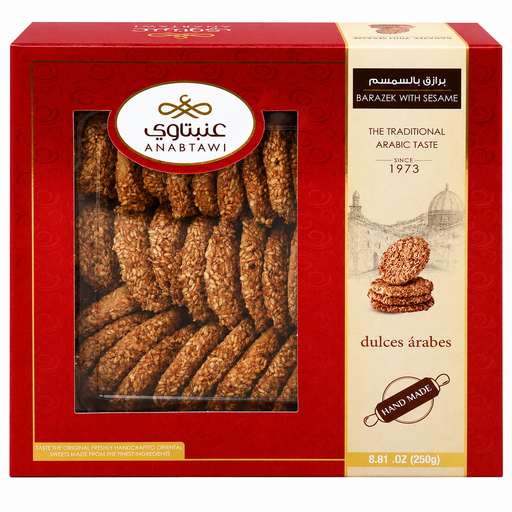
Why this choice suits this profile : At 250 g, this pack lets you discover an oriental speciality without taking up too much storage space. Its recipe focuses primarily on sesame.
The weight and sesame proportion are clearly stated, making it easier to compare with other oriental dry cakes.
24 % sesame, 250 g, 537 kcal per 100 g and recommended storage in a cool, dry place.
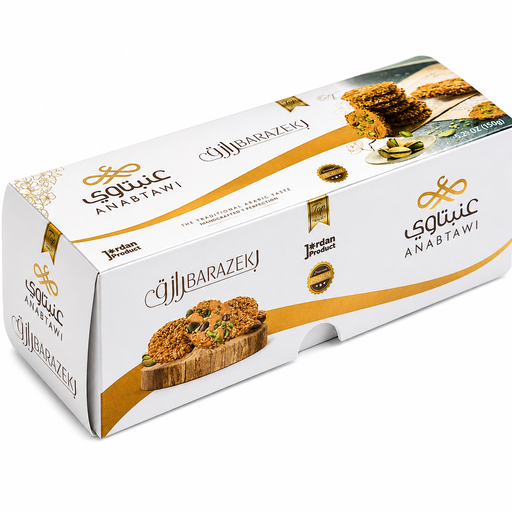
Why this choice suits this profile : The almond and pistachio combination offers greater variety, whether served with coffee or enjoyed on a shared occasion.
The almond and pistachio percentages are specified, so you do not have to choose based solely on an image or product name.
10 % almonds, 7 % pistachios, sesame included and a 150 g format suited to occasional enjoyment.
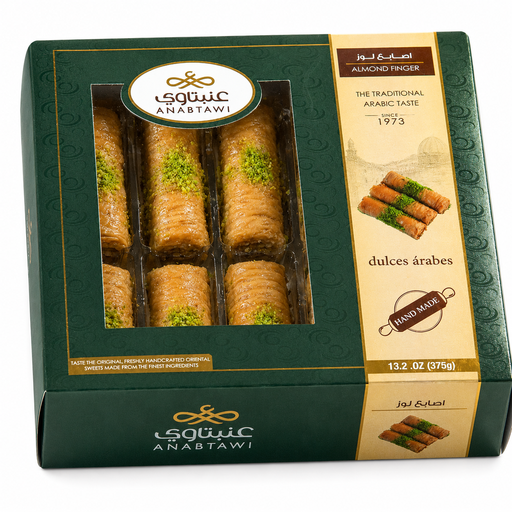
Why this choice suits this profile : Its 375 g format is suitable for a household that regularly serves biscuits with tea, coffee or as an afternoon snack.
The product information states that it contains 21 % almonds, as well as pistachios and sulphites. This makes it easier to check whether it is suitable before buying.
375 g, 21 % almonds, 437 kcal per 100 g and a recipe made with wheat, pistachios and glucose syrup.
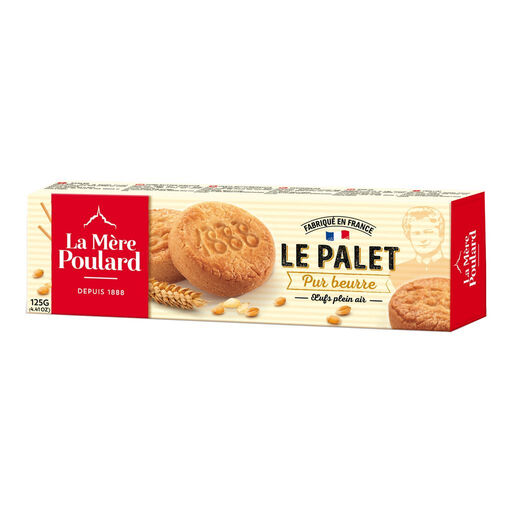
Why this choice suits this profile : This French alternative adds variety to a selection with a butter-based recipe that is quite different from oriental nut specialities.
The recipe and allergens are clearly detailed: wheat flour, butter, eggs, salt and natural vanilla flavouring.
24 % butter, 2.6 % eggs, made in France and a 125 g box.
We have put together a complete selection, updated in real time, of products that meet these demanding selection criteria and European food safety requirements.
Place them in an airtight container in a cool, dry place, away from moisture, strong smells and sunlight. Always check the date shown on the packaging. Crunchy biscuits generally soften more quickly when left in an open packet.
Sesame barazek is recognisable by its generous amount of sesame seeds, which are often clearly visible on the surface. Almond fingers have an elongated shape and put more emphasis on the almond, either in the dough or the coating. Texture and sweetness vary from recipe to recipe, so the ingredients list remains the best guide.
Yes. You can pair traditional Middle Eastern biscuits with chocolate chip biscuits, chocolate and almond sticks or even sweet savoury biscuits. To create a delicious, well-balanced selection, vary the formats, textures and nuts. If one of your guests needs to avoid certain allergens, keep the relevant products clearly separate.