Parents of a bottle-fed baby
If your child is under one, distinguish between a plant-based drink and infant formula suited to their stage of weaning. Anses and the DGCCRF say an almond drink does not replace breast milk or formula made for babies.


For a child under one, an almond drink must not replace breast milk or infant formula: Anses and the DGCCRF distinguish these drinks from products formulated to meet babies’ needs. For the evening bottle, if your child is not breastfed, choose a formula suited to their age and stage of weaning, then follow the instructions on the pack. After the age of one, Assurance Maladie says growing-up milk can be given up to the age of 3. Before regularly switching drinks, consider your child’s diet and seek medical advice if the change is due to an allergy, intolerance or difficulty gaining weight.
If your child is under one, distinguish between a plant-based drink and infant formula suited to their stage of weaning. Anses and the DGCCRF say an almond drink does not replace breast milk or formula made for babies.
If your child already has infant formula, choosing a format goes hand in hand with following the correct measurements and preparation instructions. Assurance Maladie distinguishes, in particular, between powder that needs to be reconstituted and ready-to-use liquid formula. Anses recommends preparing each bottle just before a feed.
If you are considering an almond drink after your child’s first birthday, look at this change in the context of their overall diet. Assurance Maladie says growing-up milk can be given up to the age of 3; if there is a medical reason or your child is having difficulty gaining weight, seek personalised advice.
Start with your child’s age and stage of weaning: these determine which product category to look for. Then check the format and instructions that will matter when preparing the evening feed.
| What to consider | What to check | Who this matters to |
|---|---|---|
| Suitable category for babies | For a child under one, look for infant formula that matches their age and stage of weaning, not an almond drink. | If my baby is under one, I want to avoid confusing a plant-based drink with their usual bottle feed. Around 50% of consumers put this distinction first. |
| Evening preparation | Know the difference between powder that needs reconstituting and ready-to-use liquid formula. Follow the product instructions for measuring and storage. | In the evening, I need a format that lets me follow the preparation instructions without leaving a made-up bottle waiting. This is the top priority for around 33% of consumers. |
| Choosing after the age of one | Check the age stated and the reason for changing; if there is a medical reason, discuss the choice with a healthcare professional. | After my child’s first birthday, I’d like to consider another drink without assuming it automatically replaces their usual milk. For around 17% of consumers, this is the main question. |
A plant-based drink does not become infant formula just because it is liquid or commonly called “milk”. Anses classifies almond-based drinks as drinks other than breast milk and its substitutes.
For a child under one who is not having breast milk, choose infant formula suited to their age and stage of weaning.
According to Assurance Maladie, powdered infant formula is not sterile. A made-up bottle therefore needs to be prepared and stored carefully.
Follow the instructions and, ideally, prepare the bottle just before feeding. Anses says that at room temperature, it should be given within an hour or thrown away.
Your child’s first birthday alone does not mean an almond drink is suitable as a regular replacement. Their exact age, diet and reason for changing all matter.
If you are considering a replacement, particularly because of an allergy, intolerance or difficulty gaining weight, speak to your child’s doctor or paediatrician.
These products let you explore milks for babies and young children in powdered or liquid form, rather than an almond drink for the bottle. Check the product category, stated age and instructions on each pack to make sure they are suitable for your child.
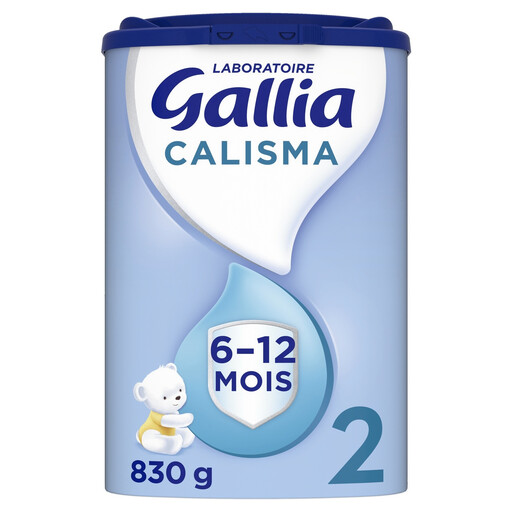 Image unavailable
Worth considering for a child aged 6 months or over who has started weaning, provided the product category and pack information match their stage of weaning.
Powdered follow-on formula; the product name indicates it is for use from 6 months. Follow the measuring and preparation instructions on the tin.
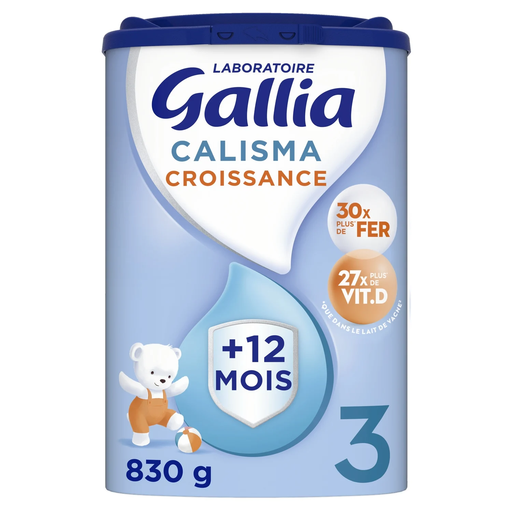 Image unavailable
Worth considering after your child’s first birthday, taking into account the milk they already have and their overall diet.
Powdered growing-up milk stated as suitable from 12 months. Check the age and preparation instructions on the pack before use.
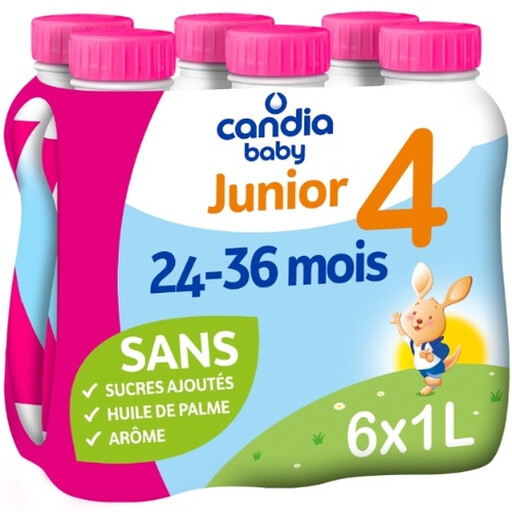 Image unavailable
This liquid format is worth considering if you want to avoid reconstituting powder for a child whose age matches the information on the pack.
Pack of six 1 L containers. Check the serving and storage instructions after opening on the product you receive.
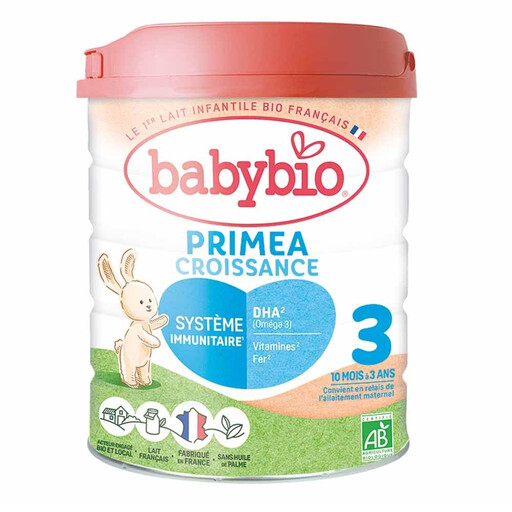 Image unavailable
If you are considering this product for a child under one, check with a healthcare professional that its category is suitable for their age and stage of weaning.
The product name indicates it is for use from 10 months and comes in an 800 g powdered format. Follow the preparation instructions on the pack.
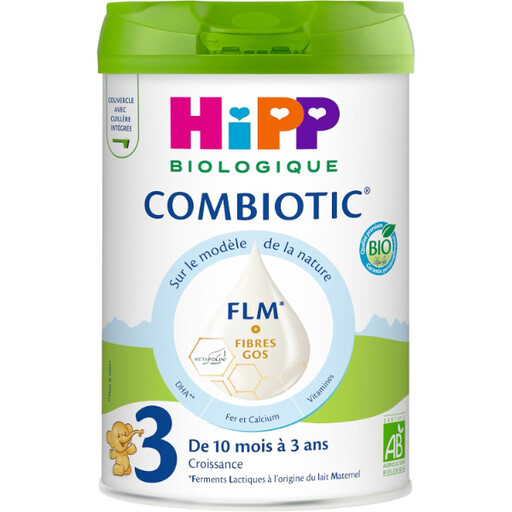 Image unavailable
Consider this in light of your child’s age. If you are thinking of using it before they turn one, check that the product category is suitable for their stage of weaning.
The product name indicates it is for children aged 10 months to 3 years and comes in an 800 g powdered format. Check the measuring instructions on the pack.
No. Anses includes almond-based drinks among drinks other than breast milk and its substitutes. The DGCCRF says the nutritional needs of children under one must be met by breast milk or products specially formulated for them.
Look for infant formula suited to their age and stage of weaning, rather than a plant-based drink. First infant formula is for the first few months; follow-on formula is for the stage when weaning has begun.
Ideally, prepare it just before feeding, following the instructions and using the scoop provided with the product. Anses says that a made-up bottle left at room temperature should be given within an hour or thrown away.
Not automatically. Assurance Maladie says growing-up milk can be given up to the age of 3 after a child’s first birthday. Before making it a regular replacement, consider your child’s diet and seek medical advice if the change is related to an allergy, intolerance or difficulty gaining weight.