Hosts avoiding milk or lactose
You’re making pancakes for people who avoid dairy milk or lactose and can have almonds. Some almond drinks are marketed as plant-based alternatives; check the ingredients on the carton you choose.


If you’re making pancakes without dairy milk, almond drink may be an option as long as your guests can have almonds and the ingredients in your chosen product meet their needs. Then compare the sugar claims, ingredients and allergen warnings. A plant-based drink isn’t necessarily allergen-free.
You’re making pancakes for people who avoid dairy milk or lactose and can have almonds. Some almond drinks are marketed as plant-based alternatives; check the ingredients on the carton you choose.
You need to take a food allergy among your guests into account. As these drinks contain almonds, they’re not suitable for anyone who needs to avoid them. Warnings about other allergens vary between products.
You’d rather decide how much sugar to add to the batter and toppings. A drink that lists sugar as an ingredient, one labelled “sugar-free” and one labelled “no added sugars” are not the same.
For a pancake night, start by checking which ingredients your guests need to avoid. Then compare the sugar content and the drink’s recipe. Don’t assume you can tell how it will taste or how the batter will turn out from the almond content alone.
| Criteria | What to check | Who it matters to |
|---|---|---|
| Allergens | Whether almonds are listed as an ingredient, and any ‘may contain traces’ warnings on the specific pack. | If one of my guests needs to avoid almonds, I need to choose a different type of drink. Any other potential allergens also matter when I’m making my choice. Around 33% of consumers put allergens first. |
| Milk and lactose | The ingredients list and any lactose-related claim, if this matters to your guests. | I’m looking for a plant-based liquid for the batter because some guests avoid milk or lactose, while still being able to have almonds. This is the top priority for around 27% of consumers. |
| Sugars | The exact claim—“sugar-free” or “no added sugars”—as well as the ingredients and nutritional information. | I want to decide how much sugar to add to the batter and toppings, rather than start with a drink that already contains sugar. For around 20% of consumers, managing sugar is the main consideration. |
| Recipe and pack size | The stated almond content, other ingredients and carton size. | I want to compare the ingredients and choose a pack size that suits the pancakes I’m planning to make. Around 20% of consumers prioritise these practical considerations. |
Almond drink contains the very ingredient that someone with an almond allergy needs to avoid. Some products also carry warnings about traces of other allergens.
Check the ingredients in everything you’re serving on pancake night, including the flour and toppings. Choose a different drink if almonds need to be avoided.
These claims don’t mean the same thing: no added sugars doesn’t necessarily mean there are no naturally occurring sugars.
Read the claim, ingredients and nutritional information on the carton together before adjusting your recipe.
Two almond drinks may differ in their almond content and other ingredients. These differences alone don’t prove that the batter will turn out a particular way.
Compare the ingredients and pack size, then check the allergen warnings on the product you choose.
Carrefour France lists two Roasted Almond products: one includes sugar in its ingredients, while the other is labelled “Sugar-Free”.
One almond drink is labelled “no added sugars”.
Carrefour France describes its organic Eau d’Amande product as a drink that can be used in a range of recipes.
Carrefour France lists an organic “Sugar-Free” product whose ingredients include almonds.
Carrefour France describes an organic, sugar-free almond drink intended for cooking.
These almond drinks have different recipes and sugar claims to consider when making pancake batter. None is suitable for a guest who needs to avoid almonds. Check the other ingredients and warnings on the carton you choose.
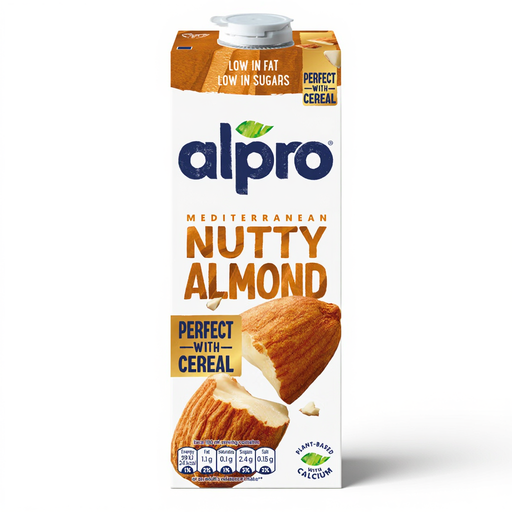 Image unavailable
Consider it as a recipe ingredient if your guests can have almonds. When making the batter and choosing toppings, take into account the sugar listed in the ingredients.
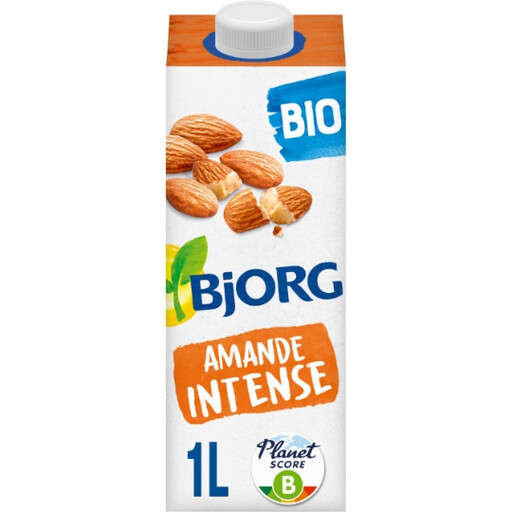 Image unavailable
To compare almond drinks for cooking, take a look at the ingredients. Before relying on the “no added sugars” claim, check it against the ingredients list on the carton: the available information also mentions cane sugar.
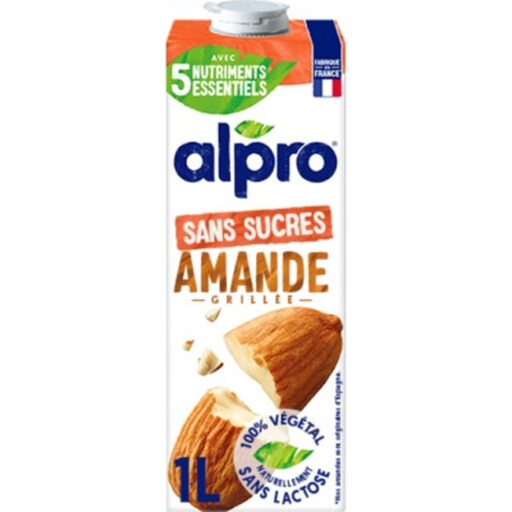 Image unavailable
If you want to choose how much sugar goes into your batter, compare the claim on this variant with its nutritional information on the carton. It contains almonds, so check the allergen warnings for your guests too.
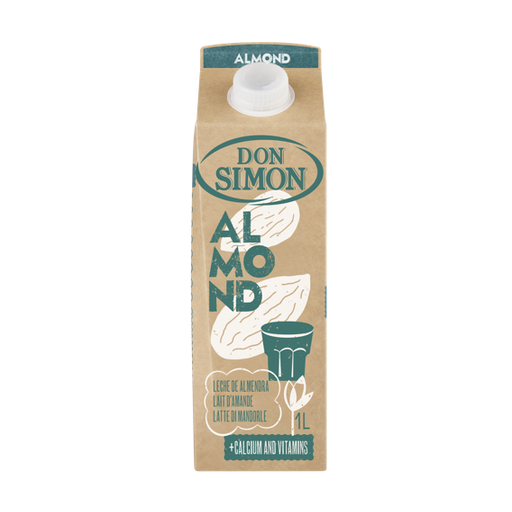 Image unavailable
If sugar content matters for your recipe, don’t rely on the variant’s name alone. Check it against the nutritional information on the pack, as the available details conflict. The drink contains almonds.
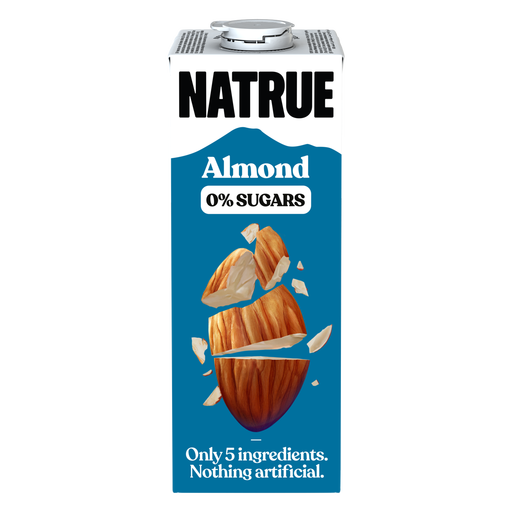 Image unavailable
If you’re comparing drinks for a less-sweet batter, read the nutritional information on the carton rather than assuming what “0%” means. The ingredients list also includes soya lecithin, so check that it’s suitable for the guests concerned.
Not if someone needs to avoid almonds: the drink contains them. Depending on the product, other ‘may contain traces’ warnings may matter too. Read the drink’s packaging as well as the labels on the other pancake ingredients.
No. A lactose-related claim doesn’t tell you whether a product contains gluten. Some almond drinks carry a warning about traces of gluten; check the specific carton if this matters to one of your guests.
Read the exact claim, ingredients and nutritional information: “no added sugars” doesn’t rule out naturally occurring sugars. When choosing a drink for your batter, compare these details rather than treating the two claims as equivalent.
Look for almonds in the ingredients list and check any warnings on the packaging too. The French Directorate-General for Competition, Consumer Affairs and Fraud Control explains that allergenic ingredients present in a product must be highlighted in the ingredients list.