Parents avoiding dairy products
If your child can tolerate almonds, look for a product whose label confirms that it is lactose-free and dairy-free. Also check the ingredients for almonds and look out for any warnings about traces of other nuts.


An almond drink may suit a child’s snack if they can tolerate almonds and you’re looking for a dairy-free option, provided you check this on the carton you choose. However, it isn’t allergen-free or interchangeable with milk for a young child. Your choice should be guided by the child’s age, any dietary guidance, and the product’s ingredients and storage instructions.
If your child can tolerate almonds, look for a product whose label confirms that it is lactose-free and dairy-free. Also check the ingredients for almonds and look out for any warnings about traces of other nuts.
If your child is taking a snack to school, follow their individual dietary guidance rather than relying on a ‘lactose-free’ or ‘sugar-free’ claim. The French Ministry of National Education says that an individual care plan (PAI) can set out any necessary adjustments.
Compare the ingredients list, sugars and protein, as well as calcium where it is listed. Pack size and instructions after opening also matter if one carton will be used for several snacks.
Start with your child’s dietary requirements and age. Then compare the nutritional information and choose a pack size that suits how quickly you’ll use it.
| Criteria | What to check | Who is it for? |
|---|---|---|
| Allergens and school guidance | Check the ingredients for almonds, look for warnings about traces, and follow any dietary guidance that applies to your child. | If an allergy affects what your child can take to school, making sure the drink meets their dietary guidance comes before a ‘lactose-free’ claim; around 28% of consumers put this safety consideration first. |
| Dairy-free | Check that the exact product is labelled ‘lactose-free’ and ‘dairy-free’. | If you want to avoid dairy while choosing a drink your child can have, remember that this is a different requirement from avoiding nuts. Dairy avoidance is the priority for around 22% of consumers. |
| Age and nutrition | Before regularly replacing milk for a child under 3, seek tailored advice; compare protein and calcium where listed. | If your child is very young or the drink would regularly take the place of milk, its role in their diet should be your first consideration; around 22% of consumers prioritise this. |
| Sugars and recipe | Check the ‘sugars’ line in the nutrition information and the ingredients list on each carton. | If you’re looking for a recipe with no added sugars, a claim on the front of the pack doesn’t replace checking the ingredients and nutrition information; around 17% of consumers make this their main criterion. |
| Pack size and storage | Compare the pack size and the instructions for refrigeration and use after opening. | If one carton needs to last for several snacks without being left open for too long, its size and storage life are key; around 11% of consumers base their choice on convenience. |
A dairy-free drink may contain almonds and carry a warning that it may contain traces of other nuts.
If your child has an almond allergy or needs to avoid nuts, don’t choose an almond drink. Check the exact product label and follow your child’s individual guidance.
An almond drink shouldn’t be treated as equivalent to milk or a product formulated for a child’s age. Manger Bouger, the website of Santé publique France, advises choosing growing-up milk where possible for children aged 1 to 3.
Before making it a regular substitute for a child under 3, ask the healthcare professional looking after them for advice.
Two drinks with similar claims may have different ingredients and nutritional values.
Compare sugars, protein and, where listed, calcium per 100 ml. Also check the ingredients and allergen information.
The recommended time for using a product after opening varies. Auchan’s product pages state that the Bjorg 3 × 250 ml pack and its 1 L almond drink keep in the fridge for four and five days respectively.
Choose a pack size you can use within the instructions on the carton, and note when you opened it.
An opened carton that isn’t finished within the stated time may go to waste.
Alpro describes its 1 L unsweetened almond drink as lactose-free and dairy-free.
Carrefour’s product page describes a 1 L organic almond drink with no added sugars.
E.Leclerc’s product page features a 1 L Bio Village organic almond drink.
Auchan offers an almond drink with no added sugars in a 1 L carton.
This range includes 1 L cartons and a pack of smaller cartons. First, choose according to your child’s dietary requirements, then compare the product description, pack size and label of the option you’re considering.
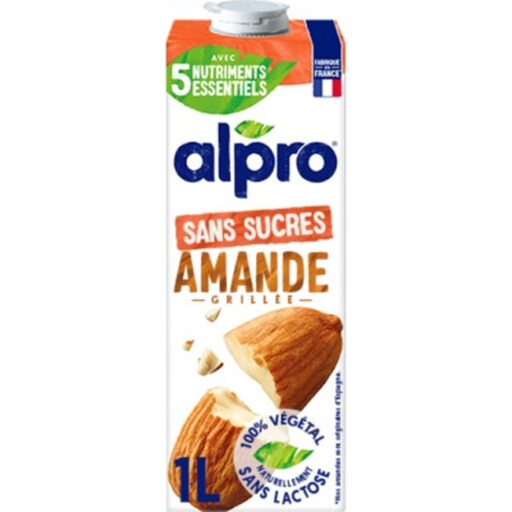 Image unavailable
Worth considering if you’re looking for an almond drink in a 1 L carton. If your child’s snack has to meet specific dietary requirements, check the packaging for information about dairy products, almonds and any possible traces of nuts.
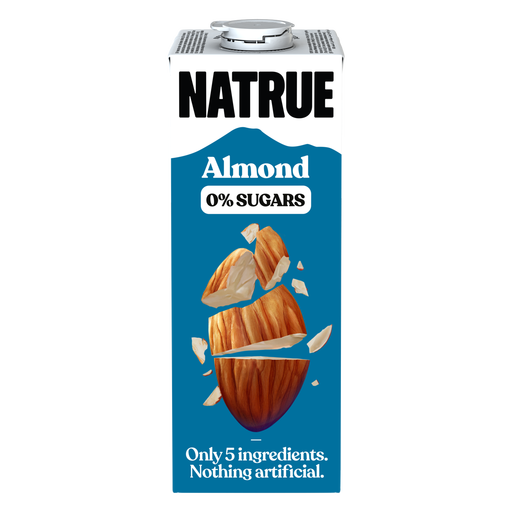 Image unavailable
The 1 L pack could be a good option for several snacks. Before choosing it, compare the product name with the ‘sugars’ line on the packaging, and check the allergens and instructions for use after opening.
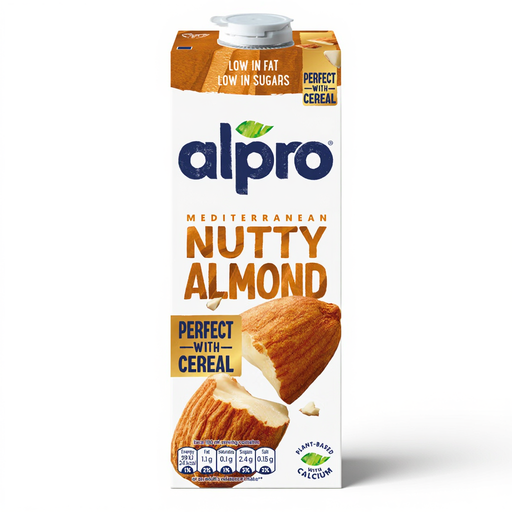 Image unavailable
This 1 L carton is a different Alpro product from the Almond Unsweetened version. If sugar content or avoiding dairy is important to you, check the claims and nutritional information on this specific carton.
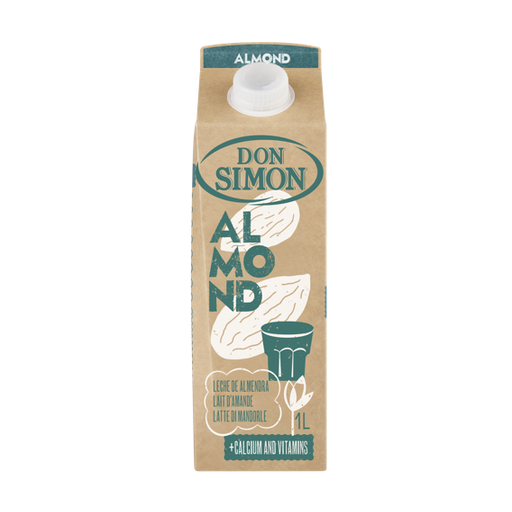 Image unavailable
If sugar content is important to you, check this 1 L carton carefully: the ‘Sugar-Free’ wording in the product name doesn’t match the sugar value shown in its product information. Check the packaging for allergens too.
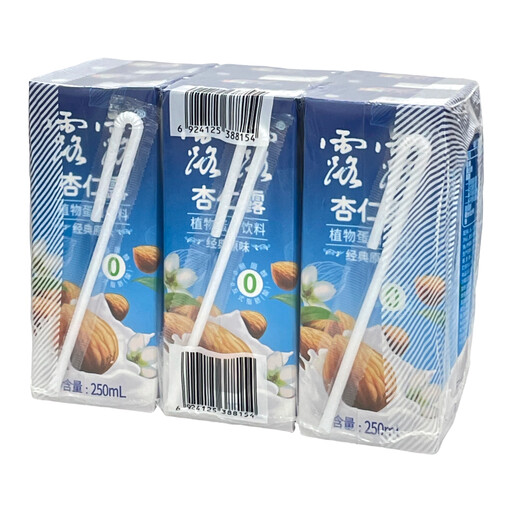 Image unavailable
This pack of six 250 ml cartons offers a handy smaller size for snacks. Before taking one to school, check the label of the exact product and make sure it meets your child’s dietary requirements.
No: being lactose-free doesn’t remove the almond allergen. The DGCCRF reminds consumers that allergens in pre-packed food must be highlighted in the ingredients list. Also check the product you choose for any warnings about traces.
Yes, but only if it meets the dietary guidance in place for the child and the arrangements agreed with the school. In France, the Ministry of National Education says that a PAI can set out adjustments for allergies; a ‘dairy-free’ claim alone isn’t enough to confirm that a drink is suitable.
Don’t assume that an almond drink can automatically replace milk for a child under 3. Manger Bouger, the website of Santé publique France, advises choosing growing-up milk where possible for children aged 1 to 3. Ask for advice tailored to your child before making a regular substitution.
Follow the storage time and temperature shown on the carton you buy. As separate examples, Auchan’s product pages say to keep the Bjorg 3 × 250 ml pack in the fridge for four days after opening, and its 1 L almond drink for five days. These instructions don’t automatically apply to other products.
No: this claim alone doesn’t tell you how much sugar is shown in the nutritional information. Check the ‘sugars’ value per 100 ml for the product you choose, and compare it separately with the ingredients list.