Shoppers keeping an eye on sugars
Whether you’re choosing a drink for breakfast or a recipe, compare the sugars per 100 ml and check the ingredients list instead of relying on the drink’s name alone.


When choosing an almond drink for a premium shop, first decide what ‘free from’ means to you: no sugars, no lactose or no particular ingredient. Almond drink contains almonds, so it isn’t suitable if you need to avoid this allergen. Then compare the ingredients list, sugars per 100 ml, any added nutrients and organic certification: none of these criteria guarantees the others.
Whether you’re choosing a drink for breakfast or a recipe, compare the sugars per 100 ml and check the ingredients list instead of relying on the drink’s name alone.
You may prefer a clearly identifiable organic certification and want to distinguish where the almonds were grown from where the drink was made. A ‘premium’ positioning is no substitute for this information.
You may be looking for a plant-based or lactose-free drink, but you’ll still need to check separately for almonds and any statements about other tree nuts.
Start with the ingredients you need to avoid. Then compare the nutritional information and ingredients of products that meet this first requirement.
| Criteria | What to check | Who it matters to |
|---|---|---|
| Allergens and ‘free from’ claims | Look for almonds in the ingredients and check for statements about the possible presence of other tree nuts. Be clear about which ingredient you need to avoid. | If I need to avoid almonds, a ‘lactose-free’ claim doesn’t meet my needs; around 36% of shoppers would make checking for ingredients to avoid their top priority. |
| Sugars, ingredients and added nutrients | Compare the sugars per 100 ml, then check the added ingredients. If calcium or vitamins matter to you, make sure they’re included in the product you choose. | For my cereal or recipes, I want to know the drink’s sugar content without assuming that a short ingredients list means it’s fortified; around 29% of shoppers would put this information first. |
| Organic certification and origin | Look for the Euro-leaf if you want organic certification. Where this information is provided, distinguish the origin of the almonds from where the drink was made. | Made in France doesn’t tell me where the almonds came from; around 21% of shoppers would prioritise organic certification or traceability. |
| Taste and use | Check the almond content and sugars for your intended use, then follow the storage instructions after opening. | If I’m mainly choosing a drink for coffee or cooking, the recipe and its intended use matter more to me; around 14% of shoppers would make this their top criterion. |
Almond drink contains almonds. The Carrefour France product listing for the Bjorg product we checked also mentions the possible presence of other tree nuts.
Check which ingredient you need to avoid, then read the allergen information and any statements about possible presence on the packaging of the product you choose.
According to the E.Leclerc product listing, Bio Village Amande Intense Bio contains cane sugar and has 4.1 g of sugars per 100 ml, with 7% almond purée.
To compare two recipes, check the ‘sugars’ line per 100 ml and the ingredients list, even if one contains more almonds.
The Euro-leaf indicates organic certification; on its own, it doesn’t tell you whether a drink contains thickeners, flavourings or added nutrients.
Check the organic logo and ingredients separately if both criteria matter to you.
The E.Leclerc listing for Bio Village Amande Sans Sucres Bio says it is made in France, but that its almonds come from Spain and/or Italy, depending on supply.
If origin matters to you, look for information that specifically refers to the almonds, not just where the drink was made.
These examples refer to specific products: ingredients may vary between recipes from the same brand.
The Carrefour France listing describes Alpro Amande Blanche Sans Sucres as a 1 L carton.
The Carrefour France listing features an unsweetened organic almond drink in a 1 L carton.
The Carrefour France listing features an unsweetened organic almond drink.
E.Leclerc offers an unsweetened organic almond drink and an Amande Intense Bio recipe, among others.
The Auchan France listing describes an unsweetened almond-based drink in a 1 L carton.
These products include classic and unsweetened almond drinks, as well as options designed for coffee. First choose according to the ingredients you need to avoid, then compare sugars, ingredients and the information provided for each variant.
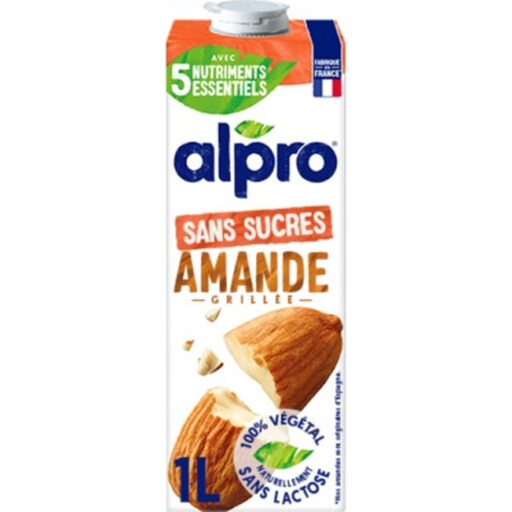 Image unavailable
Worth considering if you’re looking for an unsweetened almond drink. Compare the sugars per 100 ml and check the allergens and added nutrients for this variant.
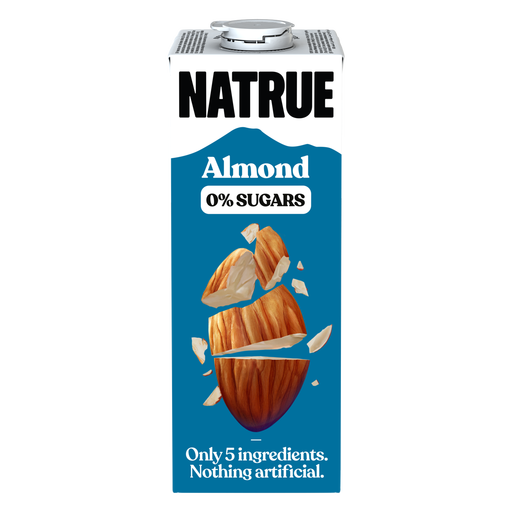 Image unavailable
To compare almond drink recipes, check the sugars per 100 ml and the full ingredients list. If you avoid soya, check the packaging for this too.
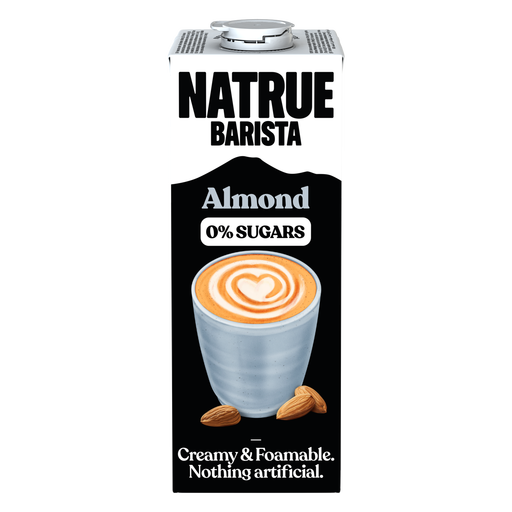 Image unavailable
This Barista variant is an option if you’re choosing an almond drink for coffee. Before buying, check the sugars per 100 ml and the information about soya and other tree nuts.
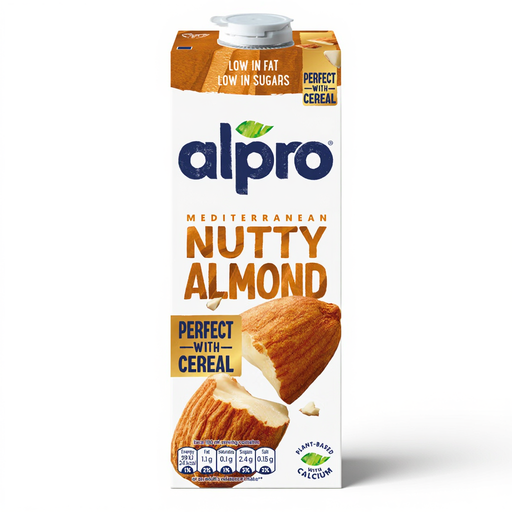 Image unavailable
If you’re choosing an almond drink that doesn’t have ‘Unsweetened’ in its name, don’t assume anything about its sugar content. Compare the nutritional information and check for added nutrients if fortification matters to you.
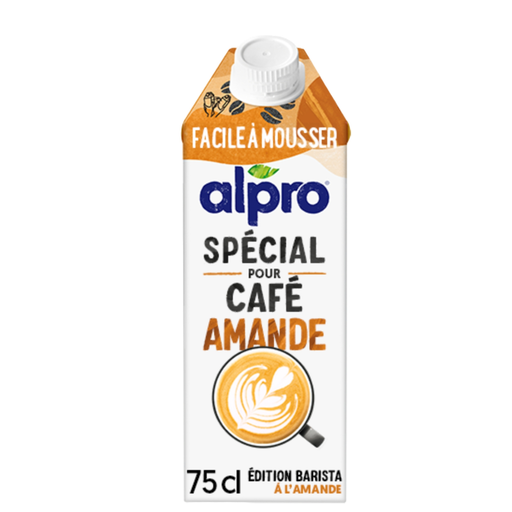 Image unavailable
This Barista variant may suit you if you’re looking for an almond-flavoured drink for coffee. Check the ingredients and sugars before choosing it to meet a ‘no added sugars’ requirement.
No. Almond drink contains almonds. Also check the product for statements about the possible presence of other tree nuts; ‘unsweetened’ and ‘lactose-free’ don’t mean ‘allergen-free’.
The Euro-leaf identifies a product that is certified organic under the conditions set out by the European Commission. It doesn’t guarantee that the drink is free from almonds or sugars, or that it has a short ingredients list, so check these separately.
Compare the ‘sugars’ line in the nutritional information per 100 ml, using the same basis for both drinks. Check the ingredients too: according to E.Leclerc, Bio Village Amande Intense Bio contains cane sugar and has 4.1 g of sugars per 100 ml.
Follow the storage instructions and use-by period on the carton you’ve bought. The Auchan France listings we checked for Auchan and Ethiquable products say to keep them refrigerated and consume within five days of opening.
No. Where a drink is made and where its almonds come from are two separate pieces of information. The E.Leclerc listing for Bio Village Amande Sans Sucres Bio says it is made in France and uses almonds from Spain and/or Italy, depending on supply.