Families looking for a low-sugar drink
For a family meal, you want to compare sugar claims without assuming they’ll predict which taste each child prefers.


For a family dinner, compare the ingredients and sugars per 100 ml first, then consider how you’ll use the almond drink: to drink or to cook with. A claim such as “sugar-free” doesn’t guarantee that every child will like the taste; flavourings, allergens and age guidance also matter when choosing.
For a family meal, you want to compare sugar claims without assuming they’ll predict which taste each child prefers.
You’re planning to add almond drink to a savoury or sweet dish. In that case, the ingredients and flavourings may matter more when choosing than the word “mild” alone.
If a baby or someone with an allergy to almonds or other nuts will be sharing the meal, check the ingredients, precautionary statements and usage guidance first.
For a family dinner, first rule out products that aren’t suitable because of age or allergy restrictions, then compare the drink’s ingredients and intended use.
| Criteria | What to check | Who is it for? |
|---|---|---|
| Age and allergens | Look for almonds, any statements about other nuts and age guidance on the carton. | If a baby or someone with an allergy is sharing the meal, I need to check these restrictions before thinking about taste. Around 36% of consumers would put this need first. |
| Sugars and taste | Compare the “of which sugars” figure per 100 ml, then read the claims about sugars and flavourings. | I’m looking for a low-sugar drink my family will enjoy with their meal, but the label alone can’t tell me what it will taste like. This would be the top priority for around 29% of consumers. |
| Nutritional composition | Compare the nutritional information per 100 ml and check whether the specific product contains calcium. | If the drink is a regular part of meals, I want to understand its nutritional composition rather than assume it’s equivalent to another food. Around 21% of consumers would prioritise this comparison. |
| Cooking and storage | Check that the flavourings suit your recipe and follow the storage instructions after opening. | I’m planning to use the carton in a dish and finish the rest within the time stated on the packaging. Around 14% of consumers would put this use first. |
Sugar content tells you about the product’s composition, not a child’s taste preferences. Recipes can also vary in their flavourings and other ingredients.
Compare the labels and try a small amount before adding the drink to a whole family meal.
The product information for Auchan Unsweetened Almond Drink states that it must not be used as the sole food for a baby under 12 months unless prescribed by a paediatrician. Anses separately examines the risks of using plant-based drinks instead of breast milk or breast-milk substitutes.
If you’re choosing a drink for a baby, ask their healthcare professional for advice rather than relying on the nutritional label alone.
Almonds are listed among the ingredients in the drinks concerned; some labels may also mention other nuts. The DGCCRF reminds consumers that allergenic ingredients must be highlighted.
Read the label on the carton you’ve bought before serving it to anyone with an allergy.
The product information for the Auchan Bio drink we checked says to store it in the fridge at a maximum of 6 °C and consume it within 5 days of opening. Always follow the instructions for the specific product you’ve bought.
Before opening the carton, plan which glasses or recipes you’ll use the rest for.
Some of the drink may go to waste if it isn’t used within the stated time.
These brands offer examples of products to compare. The features of one product don’t necessarily apply to others in the same range.
The range includes several almond drinks, including sugar-free options.
The brand offers an organic almond drink labelled “no added sugars”.
The retailer’s almond drinks include different recipes, including a sugar-free drink and an organic drink with no added sugars.
Lidl France lists an organic Vemondo almond drink.
Aldi France lists an organic My Vay almond plant-based drink.
These two cartons of almond drink are worth considering for a family dinner. Compare their labels if sugars, allergens or use in cooking are important to your choice; their names alone won’t tell you what they’ll taste like.
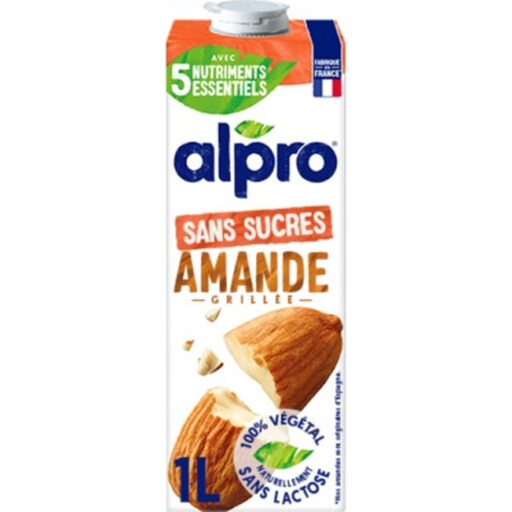 Image unavailable
This unsweetened option is worth considering if you’re looking for an almond drink to serve with a meal. Its name indicates that it’s UHT-treated and comes in a 1 l pack; check the ingredients and instructions for use after opening on the carton.
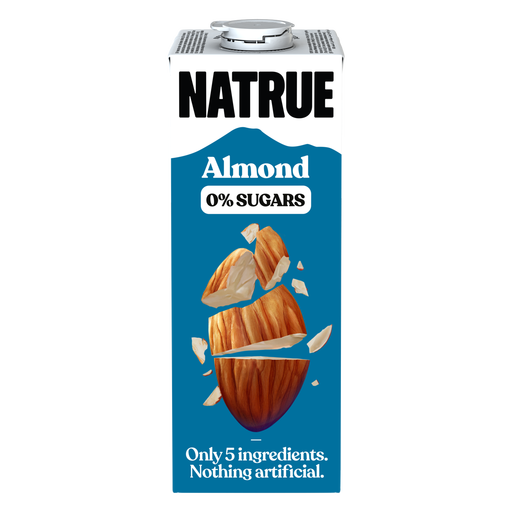 Image unavailable
This 1 l almond drink can be compared for a family meal. Check the label to see what “0%” refers to, then read the “of which sugars” figure per 100 ml and the ingredients before choosing it.
According to its product information, Auchan Unsweetened Almond Drink must not be used as the sole food for a baby under 12 months unless prescribed by a paediatrician. Anses examines the risks of using plant-based drinks, including almond drinks, instead of breast milk or breast-milk substitutes. Ask the healthcare professional looking after the child for advice.
Compare their nutritional information on the same basis, per 100 ml, then look at their ingredients lists. The DGCCRF says this format makes comparison easier. Pay particular attention to sugars, fat, protein, salt and any added ingredients that matter to your choice.
Read the ingredients list and any precautionary statements on the carton you’ve bought. The DGCCRF says allergenic ingredients must be highlighted; an almond drink may also carry a statement about other nuts.
Follow the storage time and temperature shown on the carton concerned. For its light organic almond drink, Auchan advises storing it in the fridge at a maximum of 6 °C and consuming it within 5 days of opening. Don’t automatically apply this guidance to a different product.
No. It tells you about the sugars, not what each child will like. Check the flavourings too, and if you’re adding the drink to a family meal, try a small amount before making the whole recipe.