Parents of a secondary school pupil with no nut allergy
If you prepare a lunchbox regularly, compare the recipes and ask your child which flavours they like. The word ‘smooth’ doesn’t tell you what’s in the drink.


For a regular lunchbox, plain or no-added-sugar almond drink is a good starting point to compare, provided your child likes the taste. With ‘smooth’ or flavoured varieties, check the ingredients and sugar content rather than relying on the name. Avoid almond drink if your child needs to avoid this allergen, and check other label information as well as your school’s rules. If you’re buying it for its calcium content, check the specific recipe: according to Anses, unfortified plant-based drinks are not significant sources of calcium.
If you prepare a lunchbox regularly, compare the recipes and ask your child which flavours they like. The word ‘smooth’ doesn’t tell you what’s in the drink.
A plain or no-added-sugar version may suit your needs. Compare the ingredients list and the ‘sugars’ line in the nutritional information with those of a smooth or flavoured recipe.
Almond drink isn’t suitable for a pupil who needs to avoid almonds. For any other relevant allergens, read the information on each carton and follow individual guidance. Assurance Maladie advises that avoiding the allergen is the main measure for managing a food allergy.
Before choosing a flavour, check the allergens and your school’s rules. Then compare the sugar content and taste, followed by the format that best suits your lunchbox routine.
| Criteria | What to check | Who it matters to |
|---|---|---|
| Allergens and school rules | Read the ingredients and allergen information on your chosen carton, and check your school’s rules. | If my child needs to avoid almonds, this drink can’t go in their lunchbox. If other nuts are a concern, their allergen information matters too. Around 42% of shoppers rank this as their top priority. |
| Taste and sugar | Compare the ingredients lists and the ‘sugars’ per 100 ml for the recipes you’re considering. | I’m looking for a flavour my child will enjoy, without choosing a recipe based on the word ‘smooth’ alone. For around 33% of shoppers, balancing taste and sugar comes before other considerations. |
| Format and restocking | Check the carton size, whether you’ll need a separate container to take it with you, and whether you can buy the same product again. | If I prepare lunchboxes often, I prefer a handy format or a larger carton that’s easy to pour into another container. For around 25% of shoppers, convenience is the top priority. |
Almond drink contains almonds. Carrefour’s product listing for Bjorg Sans Sucres Bio also mentions the possible presence of other nuts.
If your child has a relevant allergy, don’t choose this drink by default: check the label and follow individual guidance. Also check your school’s rules.
‘Smooth’ is the name of a recipe, not a nutritional value. The DGCCRF states that prepacked foods’ nutrition declarations include information such as the amount of sugars.
Compare this figure and the ingredients with those of a no-added-sugar version before choosing a smooth or flavoured drink.
According to Anses, unfortified plant-based drinks are not significant sources of calcium. A fortification claim on one recipe doesn’t apply to all almond drinks.
If calcium is a factor in your decision, check the label of the specific product rather than assuming how much it provides based on the product category.
Carrefour lists Alpro unsweetened almond drinks, as well as flavoured varieties.
Carrefour lists a Sans Sucres Ajoutés Bio almond drink and an Amande Douceur Bio recipe under this brand.
Carrefour lists a Bjorg Sans Sucres Bio almond drink and another recipe containing cane sugar.
Lidl France has listed a Vemondo organic sugar-free almond drink.
ALDI France lists a MY VAY organic plant-based almond drink in a 1 L carton.
This selection includes 1 L cartons to pour into another container, as well as individual 250 ml portions. The format and taste can help you choose a drink for a lunchbox. In all cases, check the allergens and your school’s rules.
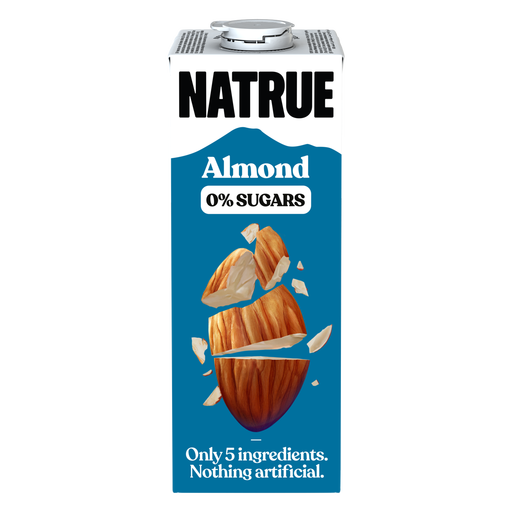 Image unavailable
Worth considering if you’d like to pour almond drink into a container for a lunchbox.
The carton contains 1 L. The product contains almonds; if other allergies are a concern, check the carton’s ingredients too.
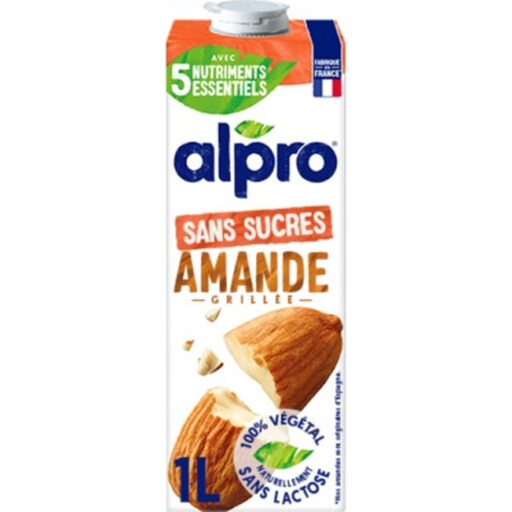 Image unavailable
Its unsweetened recipe is worth comparing if your child likes plain almond drink without added flavouring.
The carton contains 1 L, so you’ll need a suitable container to take it with you. It contains almonds; depending on any relevant allergies, check the information about other nuts too.
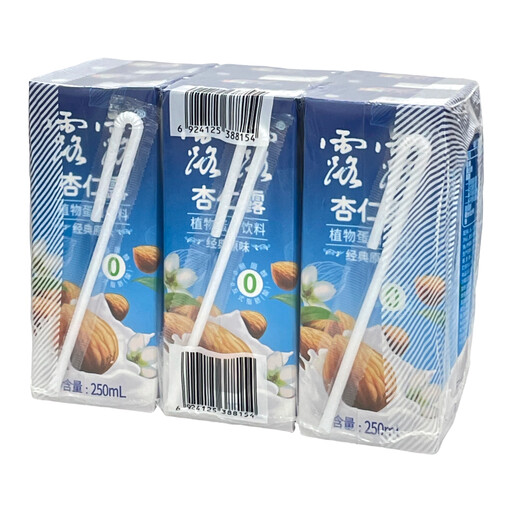 Image unavailable
The individual cartons make it easy to prepare a lunchbox without pouring from a larger carton.
This recipe contains sugar and almonds. Compare its ingredients and ‘sugars’ figure with those of a no-added-sugar version.
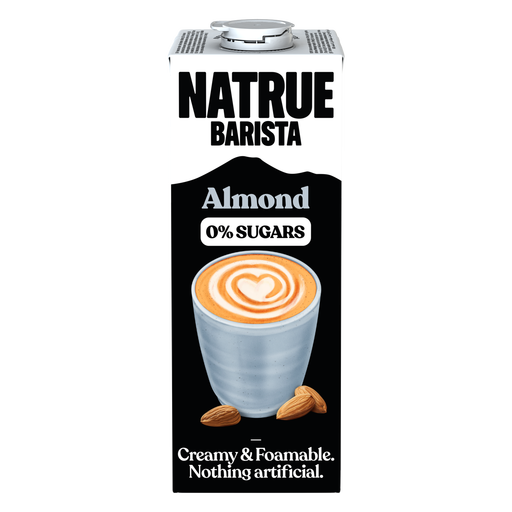 Image unavailable
This Barista version is worth comparing with classic almond drinks if your child likes the taste. It’s also marketed for use in coffee.
The carton contains 1 L, so you’ll need a separate container for a lunchbox. It contains almonds; check the information about soya and other nuts if these allergens are a concern.
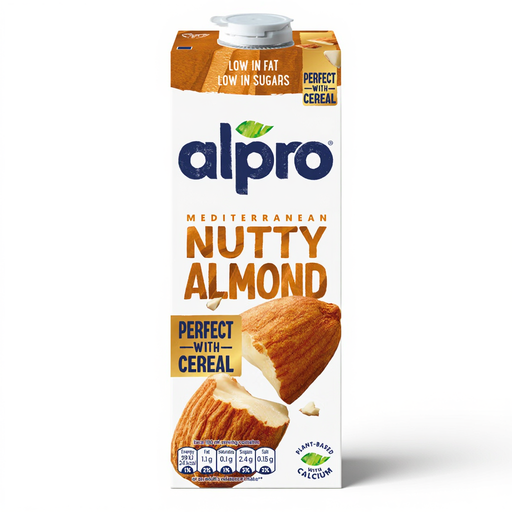 Image unavailable
If your child usually prefers a subtle flavour, it’s worth trying this roasted variety before buying it regularly.
The carton contains 1 L. This recipe contains sugar and almonds, so check the label if you’re looking for a no-added-sugar version.
Check the specific recipe and the pupil’s medical advice before deciding. Almond drink contains almonds and may carry other allergen information. Assurance Maladie advises that the main measure for managing a food allergy is to avoid the allergen in question.
No. The absence of added sugars doesn’t, by itself, tell you how much sugar the product contains. Check the ‘sugars’ figure in the nutritional information, given per 100 ml, as well as the ingredients list.
Not automatically. According to Anses, unfortified plant-based drinks are not significant sources of calcium. If calcium matters to you, check the information on the specific carton rather than assuming based on the word ‘almond’.
Check your school’s rules before taking it in. Ask what rules apply to drinks, how they should be stored and how allergies are managed, then follow any individual plan for your child.
Let your child try the recipe at home before adding it to several lunchboxes. A roasted, vanilla or ‘smooth’ drink may taste quite different from a plain one. Compare its ingredients and sugar content before buying it regularly too.