People keeping an eye on sugar and calcium
If these two factors matter when you shop, compare the ‘of which sugars’ line and check whether the calcium content is listed for the specific recipe. Values can vary from one carton to another.


For regular shopping, start by choosing according to how you’ll use it: pick a recipe whose sugar and calcium content you can compare for everyday use, or a roasted or barista version if flavour or coffee is your priority. Compare the nutritional values per 100 ml and the ingredients on each carton. These descriptions don’t all refer to the same recipe, and pack size and availability matter too.
If these two factors matter when you shop, compare the ‘of which sugars’ line and check whether the calcium content is listed for the specific recipe. Values can vary from one carton to another.
For repeat purchases, compare similar pack sizes at your local shop or on your online grocery service, while keeping differences in ingredients and flavour in mind.
A roasted, intense or barista recipe may suit a particular use. Consider it separately from a no-sugars version: these descriptions don’t tell you the same thing about the ingredients.
First decide whether your priority is the ingredients, regular shopping or a particular use, such as coffee. The DGCCRF states that nutritional values are given per 100 g or 100 ml, so check the unit before comparing two labels.
| Criteria | What to check | Who is it for? |
|---|---|---|
| Sugar and calcium | Compare ‘of which sugars’ per 100 ml and the calcium content where it’s listed; check the ingredients too. | If I’m choosing a carton for everyday use, I want to be able to tell its sugar content apart from any calcium it may provide. Around 50% of consumers would put this check first. |
| Pack size and regular shopping | Compare like-for-like volumes and check availability at your chosen retailer. | When I regularly buy cartons, I want to know whether the recipe and pack size that suit me will be available when I shop. This would be the priority for around 30% of consumers. |
| Flavour and use | Distinguish between roasted, intense and barista recipes, then check their sugar content and ingredients. | For my cereal, recipes or milky coffees, I first choose a drink that suits how I’ll use it. Around 20% of consumers would prioritise flavour or a particular use. |
These terms describe a recipe or a use, not its sugar content. The Alpro Roasted Almond drink listed by Carrefour contains sugar; according to Bjorg, its Barista recipe contains 2.1 g of sugars per 100 ml.
Choose the type of drink you want, then compare the ‘of which sugars’ line and ingredients list for that specific version.
The amount varies between recipes. E.Leclerc’s product page for the VEGE drink lists 127 mg of calcium per 100 ml; this figure doesn’t apply to other almond drinks.
If calcium is a factor in your choice, check the amount on the label of the product you buy.
Two cartons of a similar size can have different ingredients and nutritional values. The product you want may also be unavailable from your chosen retailer.
Compare the volume and ingredients of the specific version, then check whether it’s available at your local shop or through your online grocery service.
Almond drink contains almonds. The DGCCRF reminds shoppers that allergenic ingredients must be highlighted; Bjorg also states that its no-sugars version may contain other nuts.
Read the ingredients list and warnings on each carton, especially if you’re shopping for someone else.
The range includes roasted almond, no-sugars and coffee-friendly recipes, including options listed by Carrefour.
E.Leclerc lists a 1 L carton of almond drink with no added sugars.
Auchan lists a 1 L carton of almond-based drink with no sugars.
Bjorg offers, among other options, no-sugars, intense and barista almond recipes.
These drinks include options for everyday use and for coffee. Compare each recipe against what matters to you rather than assuming that a flavour or pack-size description also tells you its sugar content.
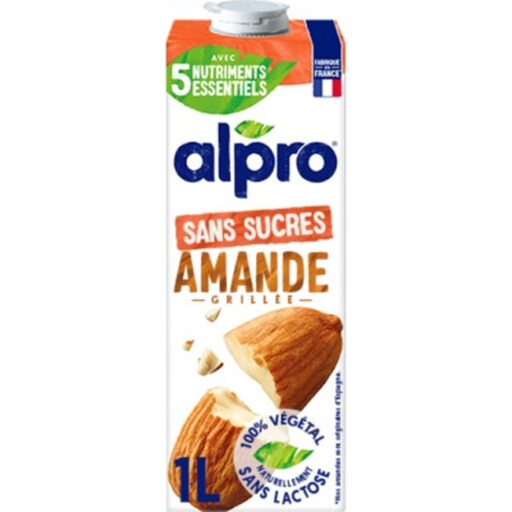 Image unavailable
Worth considering if you’re looking for an almond recipe for regular use and want to check the sugar and calcium content on the label.
1 l UHT carton. If allergens matter to you, also check the warnings about other nuts.
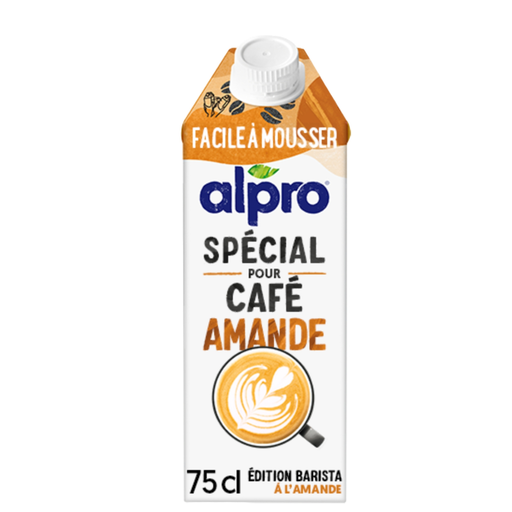 Image unavailable
Worth considering if you mainly use almond drink to make milky coffees, rather than looking for a no-sugars recipe.
75 cl carton. The recipe contains sugars; check the unit used in the nutrition table on the pack before comparing it with values given per 100 ml.
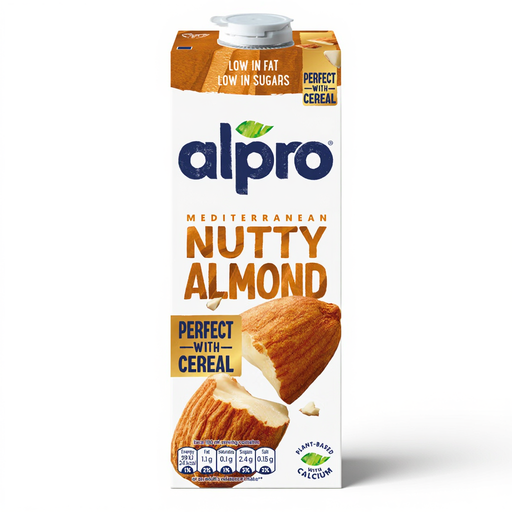 Image unavailable
Worth considering as an almond drink to enjoy on its own or use in recipes, after checking how its ingredients match your criteria.
1 l carton. If avoiding sugars is a priority, check the ‘of which sugars’ line for this product before you buy.
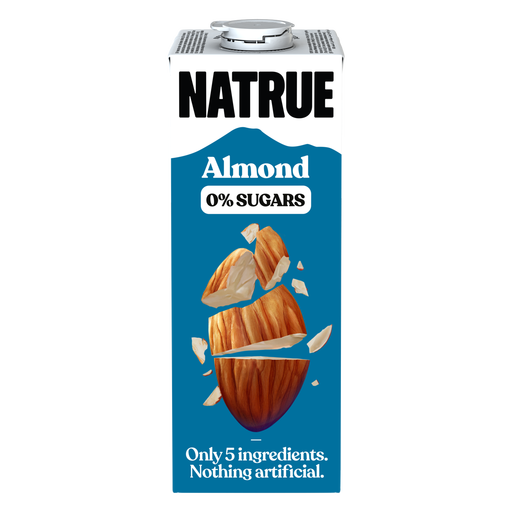 Image unavailable
Worth considering if you’re comparing almond recipes for everyday use; check the nutritional values on the carton you choose.
1 l carton. If calcium or soya is a factor in your choice, check the relevant information on the pack.
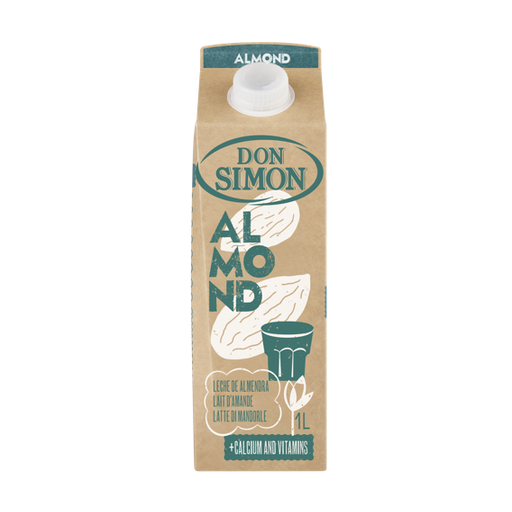 Image unavailable
Only consider this for everyday use after checking the pack: the ‘Sugar-Free’ wording in the name conflicts with the sugar value shown in the product’s nutrition table.
1 l carton. Also check the calcium content if you want to compare this factor.
These words don’t tell you what’s in the carton. When choosing between the roasted, intense, no-sugars or barista recipes offered by Alpro and Bjorg, look instead at the ingredients, nutritional values and recommended use.
Compare their nutritional values on the same basis, particularly ‘of which sugars’ and salt, then check the ingredients and allergens. If calcium matters to you, check the amount in each product. The DGCCRF specifies that nutritional information is given per 100 g or 100 ml.
Almond drink isn’t suitable if you need to avoid almonds. Also read the warnings for the specific product you choose: Bjorg says its no-sugars version may contain other nuts.
Follow the storage time and temperature shown on the carton you buy. For its no-sugars almond drink, Auchan recommends refrigerating it at between 0 °C and +6 °C after opening and consuming it within five days. This guidance may not apply to other products.