Prioritising plant-based protein
You want to know how much protein your drink provides at breakfast or in a smoothie. Compare the amounts listed on the products you’re considering: an almond base alone doesn’t tell you how much protein it contains.


If protein is your priority, don’t assume how much an almond drink contains just from its almond base. Choose one that lists its protein content, then compare it per 100 ml and for the amount you drink. Check the sugars and ingredients separately: an enriched recipe may contain sugar, while a ‘sugar-free’ claim tells you nothing about protein. Also avoid dairy-free drinks if they contain an allergen that affects you, including almonds.
You want to know how much protein your drink provides at breakfast or in a smoothie. Compare the amounts listed on the products you’re considering: an almond base alone doesn’t tell you how much protein it contains.
You’re looking for a dairy-free drink and keeping an eye on sugars, too. The ingredients list, allergen information and nutritional information answer three separate questions; checking one doesn’t replace checking the others.
You’re choosing an almond drink first and foremost for its flavour or for cooking. If protein matters to you as well, check the amount in the exact product before adding it to your meal.
To compare almond drinks for their protein content, start with the amount of protein relative to how much you drink, then check the sugars, allergens and intended use.
| What to check | What to look for | Who is this for? |
|---|---|---|
| Protein content | Compare the protein per 100 ml, then calculate how much you’ll get from the amount you drink. Also check whether the recipe contains added plant-based protein. | If I pour this drink into my morning glass, I want to know how much protein it actually provides; around 39% of consumers prioritise being able to check this. |
| Sugars | Check the ‘of which sugars’ line per 100 ml and the ingredients list, without assuming this tells you anything about the protein content. | I’m looking to limit the sugars in my drink while checking the protein in my meal separately; this is a priority for around 23% of consumers. |
| Ingredients and allergens | Check the ingredients and allergens listed on the carton. An almond drink isn’t suitable for anyone with an almond allergy. | If I want to avoid dairy, I also need to make sure the other ingredients are suitable for me; around 23% of consumers prioritise this check. |
| Use and ingredients | Check the drink’s stated uses, then separately read the information on protein and any other nutrients you’re interested in. | If I mainly use it in coffee or recipes, its intended use and ingredients guide my choice first; almost 15% of consumers prioritise this need. |
Recipes vary. Auchan’s product listing for Bjorg Organic Protein almond drink states that it contains 1.8 g of protein per 100 ml and lists pea protein among the ingredients.
Compare the ‘protein’ line per 100 ml on each carton, then work out how much you’ll get from the amount you drink.
A claim about sugars doesn’t tell you how much protein an almond drink contains.
Check both lines separately in the nutritional information for the product you choose.
An almond drink contains a tree nut. Being plant-based doesn’t make it suitable for someone with an almond allergy.
Check the ingredients and allergens on the pack you buy, particularly if the recipe has changed.
Storage times vary by product: the Auchan listings checked specify four days for Bjorg Organic Protein and five days for Auchan Unsweetened almond drink.
Choose a pack size that suits how much you drink and follow the storage instructions on your carton.
A 1 L carton could go to waste if you can’t finish it within the stated time after opening.
Bjorg’s Organic Protein almond drink combines an almond base with pea protein.
Ecomil presents its Organic Sugar-Free Protein almond drink as an option for people looking for both of these features.
The almond drink with marzipan flavour featured here is more suited to people looking for a particular taste and added ingredients than those comparing products primarily by protein content.
The retailer’s unsweetened almond-based drink is worth considering when reducing sugars matters more to you than choosing a protein-enriched option.
This almond drink could be used as a drink or in recipes. If you’re mainly looking for protein while limiting sugars, compare both amounts on the pack before choosing this product.
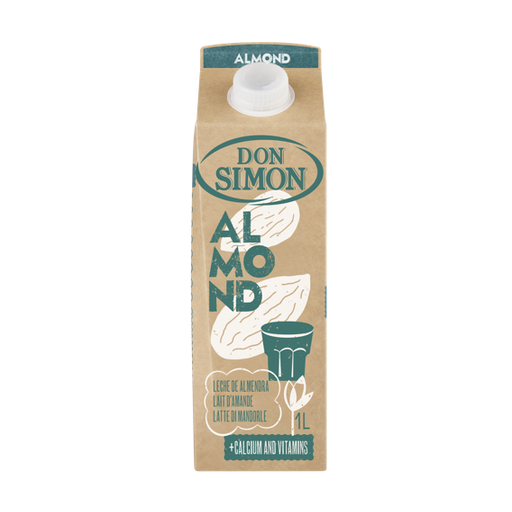 Image unavailable
If you’re using it as a drink or in a recipe, check the protein and sugar content of this variety before adding it to your shortlist.
1 L pack. The ‘Sugar-Free’ claim in the product name conflicts with the 3.5 g of sugars per 100 ml stated in the product’s nutritional information. Check the label before choosing it to limit sugars.
This drink contains almonds and isn’t suitable for anyone with an almond allergy.
Don’t assume how much protein it contains just from the word ‘almond’. Auchan’s product listing for Bjorg Organic Protein states that it contains 1.8 g of protein per 100 ml. Compare this figure across the products you’re considering, then work out how much you’ll get in your glass.
No: these claims relate to two different things. If you’re looking for both, check the ‘of which sugars’ and ‘protein’ lines per 100 ml for the same product.
No. An almond drink contains the ingredient you’re allergic to. Looking for a dairy-free product doesn’t remove this risk: check the allergens and ingredients list on the pack you buy.
Follow the time limit and storage instructions on your carton, as they vary by product. Auchan’s listings state that Bjorg Organic Protein should be used within four days of opening, and that Auchan Unsweetened almond drink should be refrigerated and used within five days.
It depends on the product: Carrefour’s listing for Ecomil Protein almond drink says it can be used hot or cold, in coffee or in some recipes. Check the uses stated for the product you choose rather than assuming they’re the same for all almond drinks.