Anyone opening the carton in the park
You want to take an unopened carton without a cool bag, then store any leftovers according to the instructions for after opening.


For a picnic in the park, choose an almond drink in a carton that can be stored at room temperature while unopened, with a UHT or long-life label. Then compare recipes by their sugar content and almond percentage. A barista blend is mainly designed for use with coffee and isn’t necessarily sugar-free. Once opened, follow the storage instructions on the carton you’ve bought.
You want to take an unopened carton without a cool bag, then store any leftovers according to the instructions for after opening.
You check the ‘of which sugars’ line in the nutrition information rather than assuming that a plant-based or organic drink is low in sugar.
You check the percentage of almonds listed in the ingredients, while comparing the sugar content of each recipe separately.
For this picnic, first check how the carton should be stored before and after opening. Then compare the sugar content and almond percentage according to what matters most to you. If you’re making coffee, look at barista blends too, but don’t assume they’re low in sugar.
| What to consider | What to check | Who it’s for |
|---|---|---|
| Taking it with you and storing it | Whether it’s labelled UHT or long-life before opening, the refrigeration instructions once opened, and the carton size. | If I open the carton in the park, I need to be able to store the rest as directed on the packaging. Around 50% of consumers would put transport and storage at the top of their list. |
| Sugar content | The exact wording on the carton, the ‘of which sugars’ figure per 100 ml and the ingredients list. | If sugar content is my main priority, I compare the nutritional values rather than relying on labels such as ‘plant-based’ or ‘organic’. Around 30% of consumers would prioritise this. |
| Almond content | The percentage of almonds in the ingredients, followed by the sugar content listed for each recipe. | If the almond content matters most to me, I compare the recipes instead of judging the taste by the word ‘intense’ alone. Around 20% of consumers would make this their main criterion. |
A carton that’s easy to transport while unopened may need to go in the fridge as soon as it’s opened. Auchan’s product information says its unsweetened almond drink should be kept between 0 °C and +6 °C after opening and used within five days.
Choose a carton size that suits the number of people, and plan how to keep any leftovers chilled if the carton’s instructions require it.
According to its product information, Carrefour Bio Amande Intense contains 7% almonds and 4 g of added sugars per 100 g. So the almond content doesn’t tell you how much sugar it contains.
Compare the ingredients and nutrition information for each carton, keeping to the units shown on the labels.
Almond drink contains almonds. Other allergens and any potential traces depend on the specific product.
If someone needs to avoid almonds or other allergens, check the ingredients list and any ‘may contain’ information on the exact packaging before choosing.
E.Leclerc’s product information for Bio Village unsweetened almond drink says it isn’t sold on the website and advises contacting the E.Leclerc store to check availability.
Check with the shop or grocery service you plan to use before setting off.
The range includes a 1 L UHT Almond No Sugars drink and an almond Barista blend designed, in particular, for use in coffee.
The retailer offers a 1 L carton of unsweetened almond drink, described as UHT sterilised.
The 1 L carton of organic Amande Intense lets you compare a recipe that lists 7% almonds.
E.Leclerc’s product page lists a 1 L carton of unsweetened organic almond drink, sterilised using UHT.
Aldi sells a 1 L organic plant-based almond drink under this brand.
These 1 L cartons let you compare a sugar-free UHT option with recipes that highlight their almond content. For a picnic, check the storage instructions for each product, particularly for after opening.
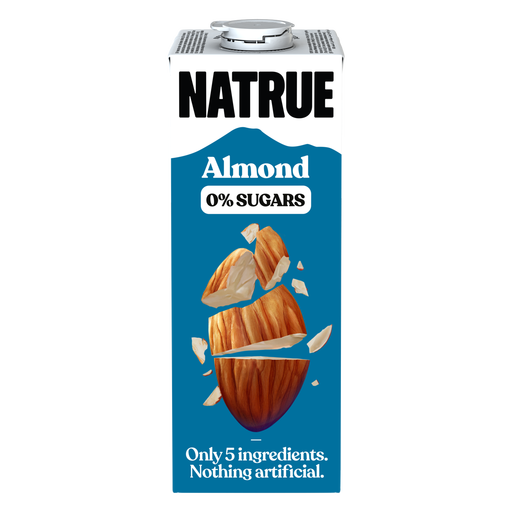 Image unavailable
Worth considering if you’re looking for an unopened carton to take on a picnic. Check the packaging to see what ‘0%’ refers to, along with the storage instructions for after opening and the allergen information.
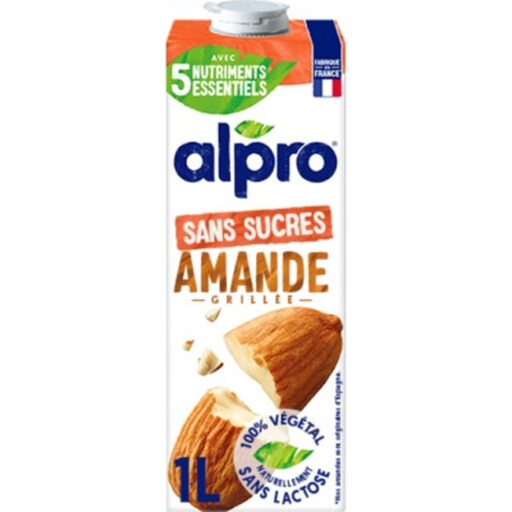 Image unavailable
An option to compare if sugar content is your top priority when choosing an unopened carton to take with you. Alpro’s product information states 0 g of sugars per 100 ml and says to refrigerate the drink after opening. Check the packaging for the full instructions.
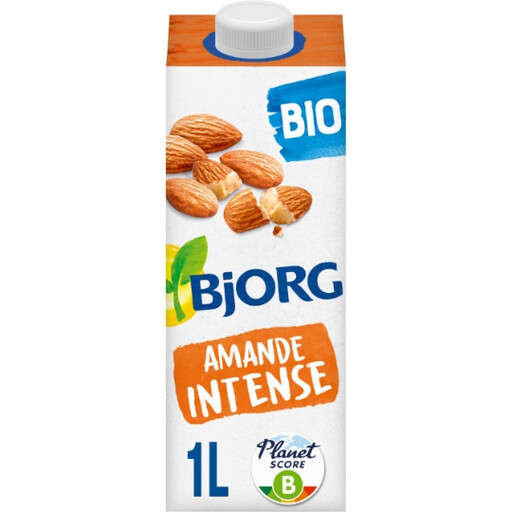 Image unavailable
Worth a look if you want to compare almond recipes rather than choosing based solely on a ‘sugar-free’ label. Check the carton for the almond content, sugars, allergens and storage instructions before taking it with you.
Before opening, yes, if the packaging for your chosen product says it can be stored at room temperature. Once opened, follow its refrigeration instructions. For example, Auchan’s product information says to keep it between 0 °C and +6 °C and use it within five days.
No, don’t treat these two claims as interchangeable. Read the exact wording, the ingredients list and the ‘of which sugars’ line in the nutrition information. Auchan’s product information states that its drink contains less than 0.5 g of sugars per 100 ml, while Carrefour Bio Amande Intense is listed as containing 4 g of added sugars per 100 g.
A barista blend is mainly useful if you’re planning to make coffee. If you simply want to drink it chilled, compare the ingredients and sugar content: Alpro’s Barista product information lists fructose and 2.5 g of sugars per 100 ml.
First check how it should be stored before and after opening, then look at the ingredients, allergens and nutrition information that matter to you. The almond percentage and ‘of which sugars’ line help you compare recipes without relying on their names alone.
It isn’t suitable for anyone who needs to avoid almonds. For other allergens, check the ingredients and any ‘may contain’ information on the packaging for the exact product. The DGCCRF reminds consumers that allergenic ingredients must be highlighted on labels.