People avoiding lactose
You’re looking for a plant-based alternative to milk for lunch and don’t need to avoid almonds. Check the label for the claim that meets your needs, then read the full ingredients list and allergen information.


When choosing an almond drink for lunch, start with any ingredients you need to avoid. A product explicitly labelled lactose-free may suit your needs, but almond drink is not suitable if you need to avoid almonds. Then compare the ingredients and sugars per 100 ml: ‘no added sugars’ does not necessarily mean zero sugar. If organic matters to you, also check the recipe and storage instructions after opening.
You’re looking for a plant-based alternative to milk for lunch and don’t need to avoid almonds. Check the label for the claim that meets your needs, then read the full ingredients list and allergen information.
You want a drink to have with a meal or use in a recipe, without relying on the claim on the front of the pack alone. Compare the ‘of which sugars’ figure per 100 ml and read the exact wording on the carton.
You prefer an organic product but also want to compare the almond content and other ingredients. An organic label doesn’t mean that all recipes are the same.
When choosing an almond drink for lunch, first check for any ingredients you need to avoid, then look at the sugars and ingredients to suit how you plan to use it.
| Criteria | What to check | Who it matters to |
|---|---|---|
| Ingredients to avoid | Look for almonds in the ingredients list and check for any ‘may contain’ statements; check separately for a ‘lactose-free’ claim. | If I need to avoid an ingredient, I want to know whether the carton is suitable before considering its other features. Around 42% of consumers would put this first. |
| Sugars | Compare the ‘of which sugars’ figure per 100 ml and distinguish between ‘sugar-free’ and ‘no added sugars’. | When choosing a drink to have with lunch, I want to avoid automatically picking a sweetened recipe, so the actual sugar content comes first. Around 33% of consumers would put this ahead of other criteria. |
| Organic status, ingredients and storage | Check for the organic label you’re looking for, the stated almond content, the other ingredients and the storage instructions after opening. | If I prefer an organic recipe for my meals, I also want to be able to use the carton within the stated period after opening. Around 25% of consumers would prioritise the recipe and how they plan to use it. |
Almond drink contains almonds. The DGCCRF says that allergenic ingredients must be highlighted; some products also warn that they may contain other tree nuts.
If you need to avoid almonds, choose a different type of drink and check its labelling too, including any ‘may contain’ statements on the carton you buy.
This claim doesn’t rule out sugars that are naturally present in the product. It doesn’t replace the nutritional information.
Compare the ‘of which sugars’ figure per 100 ml across the products you’re considering.
The product listings for Bjorg, Carrefour Bio and Ethiquable describe different recipes, particularly when it comes to secondary ingredients.
Compare the ingredients lists and stated almond content rather than assuming that all organic drinks have the same ingredients.
Auchan and Ethiquable product listings advise keeping their drinks in the fridge and consuming them within five days of opening. This instruction doesn’t automatically apply to other products.
Check the time limit on the carton you choose and pick a size you can use within that period.
Carrefour France describes a 1 L Alpro Roasted Almond No Sugars drink, containing 2.3% almonds, as a lactose-free plant-based alternative.
The Carrefour France listing for the 1 L Bjorg Organic Almond No Sugars drink states that it contains 2.8% almonds.
Carrefour France describes a 1 L organic almond drink with no added sugars, containing 2.8% almonds.
Auchan France states that its 1 L unsweetened plant-based drink contains 2% almonds.
The Auchan France listing for the 1 L Ethiquable Organic Almond No Sugars drink states that it contains 2.8% almonds.
These almond drinks give you a range of recipes to consider for lunch, including Barista options designed with coffee in mind. Check each carton for the claims that meet your dietary needs and sugar preferences.
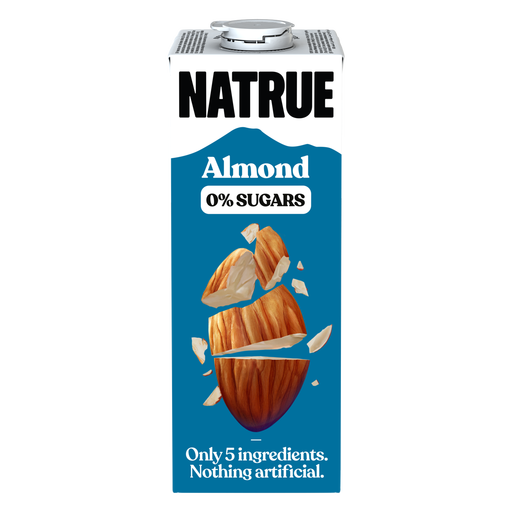 Image unavailable
When choosing an almond drink for lunch, compare the sugar figures on the label rather than assuming what ‘0%’ means.
Contains almonds; if you need to avoid lactose or soya, check the claims and ingredients on the carton.
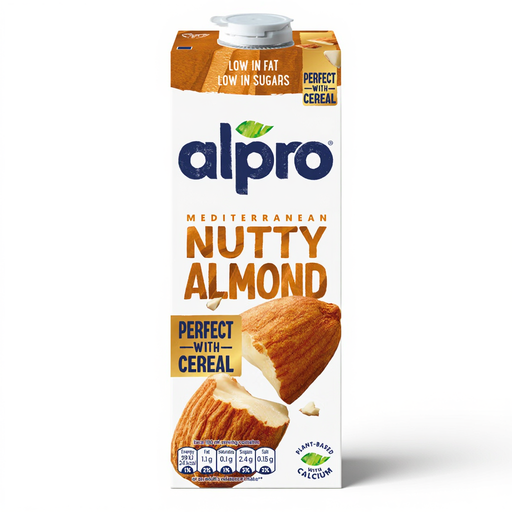 Image unavailable
If avoiding lactose is your priority, check the relevant claim on this Alpro product. It’s different from the Roasted Almond No Sugars version.
It contains almonds; check the ‘of which sugars’ figure per 100 ml before choosing it too.
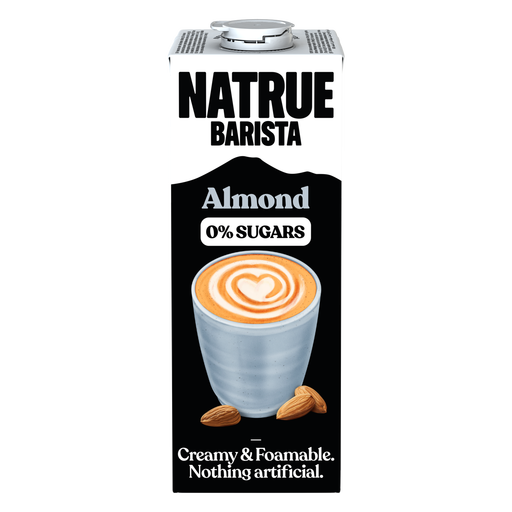 Image unavailable
This Barista version is worth considering if you’re looking for an almond drink to have with coffee at lunch. Don’t assume its sugar content from the ‘0%’ name alone.
Contains almonds. Check the carton for ‘may contain’ statements, lactose information and storage instructions to suit your needs.
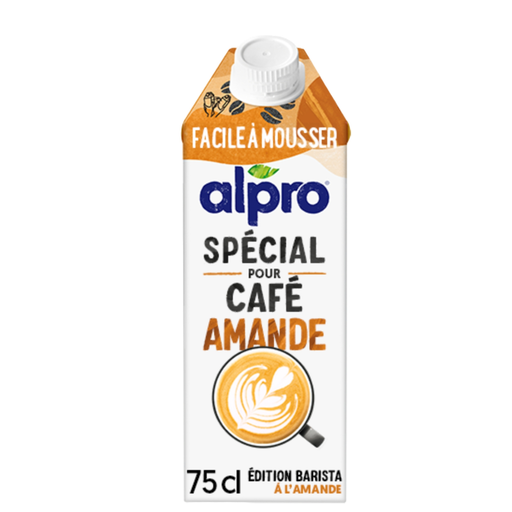 Image unavailable
If you’re having coffee with lunch, this Barista version is worth distinguishing from the 1 L Alpro almond drink.
It contains almonds, sugars and fructose, so check the ingredients if you’re looking for a recipe with no added sugars.
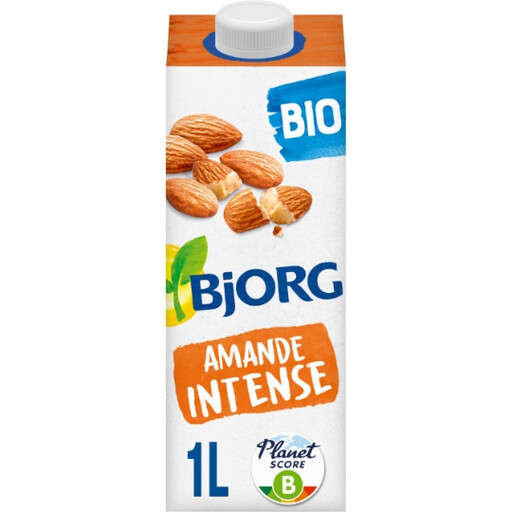 Image unavailable
If you’re looking for a drink described as organic, consider this Intense version and don’t confuse it with the Bjorg Organic Almond No Sugars mentioned above.
The information for this product lists cane sugar among the ingredients, while also showing a ‘no added sugars’ claim. Check the label on the exact carton before choosing it. It contains almonds.
No. This claim doesn’t rule out sugars that are naturally present. To find out the stated amount and compare drinks, check the ‘of which sugars’ figure per 100 ml.
Not if you need to avoid almonds: the ‘lactose-free’ claim doesn’t mean this ingredient is absent. Also check the product you choose for any statements about other tree nuts.
Start with the ingredients and allergens, then compare the nutritional information on the same basis, usually per 100 ml. The DGCCRF says allergens must be highlighted and that nutrition information per 100 g or 100 ml makes it easier to compare products.
Follow the time and temperature instructions on the carton you buy. The Auchan and Ethiquable listings mentioned here advise keeping the drinks in the fridge and consuming them within five days of opening; this timeframe doesn’t apply to every brand.