To control the sugar in a cake or pancakes, choose an almond drink labelled ‘no added sugars’ or ‘sugar-free’, then check the ‘of which sugars’ figure and the ingredients on the carton. If a stronger almond flavour matters more, another formula may suit you, but it could also contain sugar that you’ll need to take into account in your recipe. If your child is allergic to almonds, avoid this category altogether: ‘lactose-free’ does not mean ‘nut-free’.
Who is this choice for?
Parents managing a food allergy
For a snack, birthday party or school activity, start with the allergen your child needs to avoid. Almond drink isn’t suitable if almonds must be excluded. Check the label on the exact product you plan to use and, in group settings, any restrictions set out in the child’s individualised support plan (PAI), where applicable.
Families who want to control the sugar in their bakes
If you’d rather decide how much sugar goes into your recipe, distinguish between drinks with no added sugars and those that contain sugar. Also check the nutritional information on your chosen carton: the two claims don’t give you the same information.
Anyone looking for an almond flavour
For cakes, pancakes or custards where you want the almond flavour to come through, compare the almond content and check whether sugar is included. The word ‘almond’ on the front of the pack doesn’t tell you everything about the recipe.
What should you check before buying?
When baking with children, first work out whether there’s an ingredient you need to avoid. Then compare the sugars and ingredients, depending on the result you want from your recipe.
| Priority |
What to check |
Who is this for? |
| Allergen to avoid |
Read the ingredients and allergen information on the exact carton. If almonds need to be avoided, choose another category after checking its label. |
If a child has a diagnosed allergy, I need to check the ingredient in question before choosing a drink for the cake; around 50% of consumers would put this need first. |
| Sugars in the recipe |
Distinguish between ‘no added sugars’ and ‘sugar-free’; compare the ‘of which sugars’ figure per 100 ml and the ingredients list. |
If I bake regularly, I prefer to decide how much sugar to add to the mixture rather than start with a drink that’s already sweetened. Around 25% of consumers would make this their priority. |
| Flavour you’re looking for |
Compare the stated almond content, other ingredients and sugars. If flavour is important, try a small amount in your recipe first. |
For a custard or pancakes where I want the almond flavour to come through, the formulation matters more than the product name alone; around 25% of consumers would put the flavour result first. |
The European Commission lists almonds among the nuts that must be clearly declared when used as ingredients in foods sold in the European Union. A ‘lactose-free’ claim does not remove this allergen.
Common misconceptions to avoid
-
Taking ‘lactose-free’ to mean ‘allergen-free’
Almond drink contains almonds, even when it’s labelled lactose-free. This misconception could lead you to choose an unsuitable ingredient for a child who needs to avoid almonds.
Identify the specific allergen your child needs to avoid. According to Assurance Maladie, avoiding the food in question is the main measure to take in the event of a food allergy. You should also follow the medical advice specific to your child.
-
Assuming all almond drinks have the same ingredients
E.Leclerc product information lists 2.8% almond purée for Bio Village No Added Sugars and 7% for Bio Village Intense, which also contains cane sugar. These differences in formulation alone don’t determine how your bake will turn out.
Compare the ingredients, almond percentage and ‘of which sugars’ figure for each product before using it in a recipe.
-
Using the same amount of sugar with a drink that’s already sweetened
The sugar in the drink adds to the other sweet ingredients in your mixture. Manger Bouger recommends limiting sugary products in children’s diets.
Check the drink’s ingredients, then adjust the sugar in your recipe to get the result you want.
-
Forgetting the storage instructions after opening
Once opened, a carton should be used according to the storage instructions for that specific product.
Check these instructions before planning another baking session with the same carton.
If your recipe only needs a small amount, planning another use for the rest can help avoid waste.
Brands to know when comparing formulations
These examples help you spot differences in ingredients, but always check the exact carton you’re considering.
Alpro
Its range of plant-based drinks includes a roasted almond variety, which Carrefour describes as lactose-free and suitable for cooking.
- Carrefour’s product information lists 2.3% almonds and says this variety contains sugar.
- ‘Lactose-free’ doesn’t mean ‘nut-free’: almonds are listed among its ingredients.
Bio Village
E.Leclerc offers, among other options, an organic almond drink with no added sugars and an organic intense almond version.
- The product information for the no-added-sugars version lists 2.8% almond purée.
- According to E.Leclerc, the intense version contains 7% almond purée and cane sugar. Compare the two formulations to see which suits your recipe.
Ethiquable
Auchan offers an organic, sugar-free almond drink from this brand and suggests using it in pancakes or cakes.
- The retailer’s description mentions using it in recipes.
- This doesn’t guarantee the same flavour or texture in every bake, so check the ingredients of the product you choose.
Auchan
The retailer offers a sugar-free, almond-based plant drink in a 1 L carton.
- Auchan’s product information lists 2% almonds in the ingredients.
- This drink contains almonds, so it isn’t suitable if this ingredient needs to be avoided.
Almond drinks on Joybuy
These almond drinks let you compare unsweetened options, varieties described as suitable for cooking, and another formulation to consider depending on your recipe. None is suitable if your child needs to avoid almonds. For products without specific baking guidance, check they’re suitable for the recipe you have in mind.
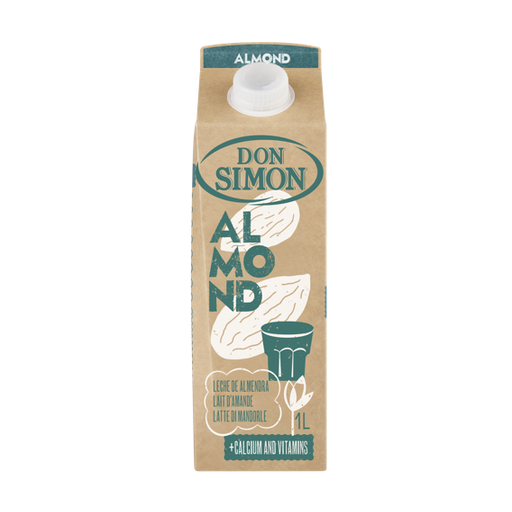 Image unavailable
DON SIMON Sugar-Free Almond Drink, 1 L
Worth considering for sweet or savoury recipes: its suitability for cooking is stated. The product name alone isn’t a substitute for checking the ‘of which sugars’ figure before adjusting the other ingredients. Contains almonds.
View on Joybuy
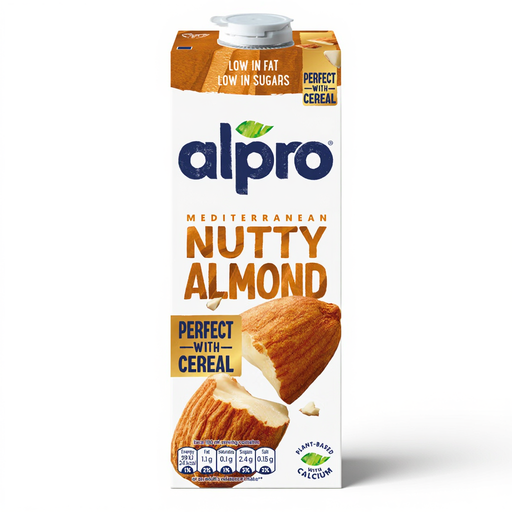 Image unavailable
Alpro Almond Drink, 1 L
It’s described as suitable for use in sweet and savoury recipes. If you want to control the sugar in your bake, check the ingredients and sugar content of this product before adjusting your recipe. Contains almonds.
View on Joybuy
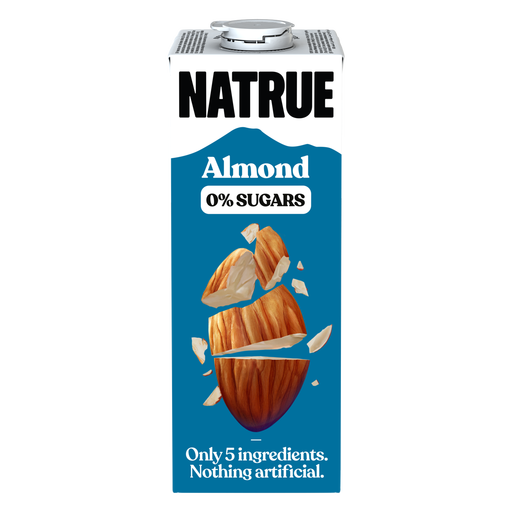 Image unavailable
NATRUE 0% Almond Drink, 1 L
Worth looking at if you want to control the sugar in your recipe separately. Check the ingredients and whether it’s suitable for your bake before choosing this drink. Contains almonds.
View on Joybuy
 Image unavailable
Alpro Almond Unsweetened UHT, 1 L
Worth considering if you want to choose separately how much sugar to add to your mixture. Check that this drink is suitable for your recipe. It contains almonds; if your child also needs to avoid other nuts, check the carton for any ‘may contain’ warnings.
View on Joybuy
Frequently asked questions
Is almond drink free from allergens?
No: it contains almonds. The European Commission lists almonds among the nuts that must be declared when used as ingredients in foods sold in the European Union. If your child needs to avoid almonds, choose another category and check its ingredients.
Is ‘lactose-free’ suitable for all food allergies?
No. A lactose-free drink may contain almonds, so check the ingredients and allergen information against your child’s specific allergy.
Which almond drink should I choose to control the sugar in a cake?
A product labelled ‘no added sugars’ or ‘sugar-free’ lets you choose how much sugar to add directly to your recipe. Still check the ‘of which sugars’ figure per 100 ml: no added sugars doesn’t necessarily mean the drink contains no sugars.
How should I store a carton after opening?
Follow the instructions on the carton you’ve bought, particularly those for refrigeration and how soon to use it after opening. Work out how much you need for your recipe before opening a large carton.
What should I consider if I’m taking the bake to school or an after-school club?
Check the organisation’s guidelines before baking or sharing your creation. For a child with an allergy, an individualised support plan may set out dietary restrictions and arrangements for group settings, as explained by Assurance Maladie.


