People who check sugars first
You want to tell the difference between a sugar-free drink and one with no added sugar, and check the stated amount per 100 ml before choosing.


When choosing an almond drink as part of your shopping with diabetes in mind, start by comparing the ‘of which sugars’ value per 100 ml and the ingredients list: ‘sugar-free’ and ‘no added sugar’ don’t mean the same thing. If it regularly replaces milk, check the calcium content too. A roasted almond flavour or the word ‘mature’ won’t tell you anything about these criteria.
You want to tell the difference between a sugar-free drink and one with no added sugar, and check the stated amount per 100 ml before choosing.
You use almond drink at breakfast, in coffee or in cooking. If you’re looking for calcium, check that it’s listed for each product: Diabetes UK recommends doing this for plant-based milk alternatives.
You’re choosing between a plain version and a roasted almond version. Flavour can guide your choice, but it doesn’t replace checking the sugars, ingredients and allergens.
Start with the stated sugars per 100 ml, then check the calcium if the drink often replaces milk. After that, compare products by flavour, ingredients and allergens.
| Criteria | What to check | Who it matters to |
|---|---|---|
| Sugars | Compare the ‘of which sugars’ value per 100 ml with the ingredients list; don’t confuse ‘sugar-free’ with ‘no added sugar’. | If I check sugars first, I want to compare two cartons without relying only on what’s written on the front. Around 50% of consumers put this need first. |
| Calcium | If the drink regularly replaces milk, look for the stated calcium content of the product you’re considering. | When I often replace milk in my daily routine, I want to know whether the almond drink has added calcium. This is the top priority for around 30% of consumers. |
| Flavour and ingredients | Check whether it’s plain or roasted, along with the ingredients and allergen information. | For coffee or recipes, I’m looking for a flavour I enjoy without overlooking ingredients I need to be aware of. Around 20% of consumers prioritise this. |
A drink with no added sugar may still contain naturally occurring sugars. So the two claims don’t mean exactly the same thing.
Check the ‘of which sugars’ value per 100 ml and the ingredients on the carton you’re thinking of buying.
Fortification varies by product. Carrefour’s product pages for Alpro Roasted Almond and Carrefour Sensation almond drinks list calcium, but that doesn’t apply to every almond drink.
If you often replace milk, check the calcium information for the specific product.
Almond is an ingredient to consider if you have an allergy; other allergen and ‘may contain’ statements can vary by product.
Check the ingredients list and allergen information on each pack.
Carrefour’s product page for Alpro unsweetened roasted almond drink in a 1 L carton lets you compare a roasted flavour with other products.
These two almond drinks illustrate the difference between a product labelled ‘sugar-free’ and an organic one labelled ‘no added sugar’.
These four almond drinks include a Barista option and products whose names suggest they contain no sugars. When you shop, compare the nutritional information and ingredients on each carton rather than guessing its contents from the name.
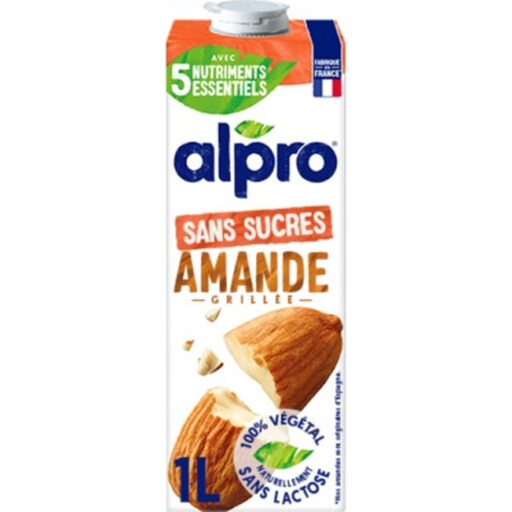 Image unavailable
If you’re looking for an unsweetened almond drink, compare its sugars per 100 ml with other products. 1 L pack; check the calcium and allergen information on the carton too, if these criteria matter to you.
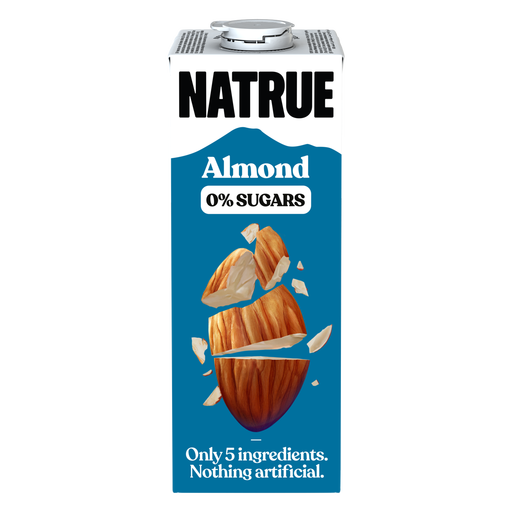 Image unavailable
To compare this almond drink with other products, check the sugars per 100 ml rather than relying on ‘0%’ in the name alone. 1 L pack; check the calcium and allergen information on the label to suit your needs.
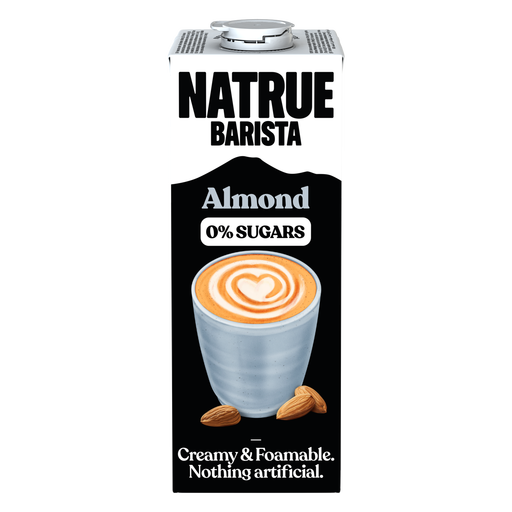 Image unavailable
If you’re comparing options for coffee, it’s worth considering this Barista Edition separately from the standard NATRUE 0% product, without assuming a specific difference in composition. 1 L pack; check the sugars per 100 ml and look for calcium if it regularly replaces milk.
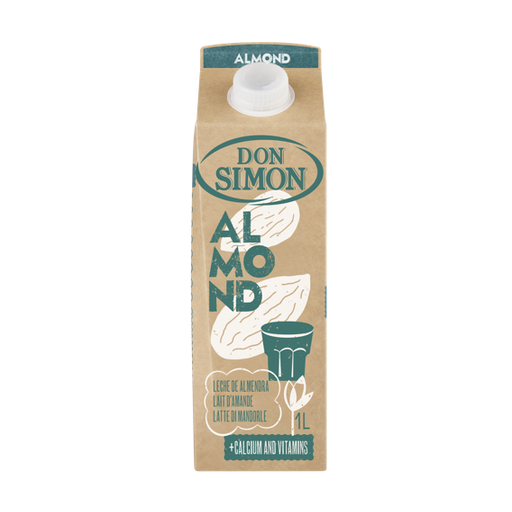 Image unavailable
If sugars guide your choice, rely on the nutritional information on the carton: the ‘Sugar-Free’ wording in the name doesn’t match the sugar content shown in the product description. 1 L pack; don’t assume it’s sugar-free based on the name alone.
No. Naturally occurring sugars may still be present even when no sugars have been added. Andros’s product page distinguishes between these two cases; check the ‘of which sugars’ value per 100 ml for the product you choose.
‘No added sugar’ means that no sugars have been added, whereas ‘sugar-free’ refers to the sugar content of the product. To compare two almond drinks, check their nutritional information per 100 ml, even if the claims on the front of the pack look similar.
In particular, check whether the product is fortified with calcium, as this isn’t a feature of all almond drinks. Diabetes UK recommends checking this, as well as whether plant-based alternatives contain added sugars. If you’re following personalised dietary advice, also follow the guidance from your healthcare team.