People avoiding lactose who aren’t allergic to almonds
For breakfast, coffee or a Christmas recipe, some almond drinks are a lactose-free option. Check this on the specific product you choose: almond is still an ingredient in the drink.


For your Christmas shopping, choose an almond drink whose label meets your needs regarding lactose or sugars, as long as the person who will drink it isn’t allergic to almonds. A plant-based drink isn’t automatically “allergen-free”: check the ingredients and any warnings about traces, then compare the nutritional information and storage instructions after opening.
For breakfast, coffee or a Christmas recipe, some almond drinks are a lactose-free option. Check this on the specific product you choose: almond is still an ingredient in the drink.
If sugar content guides your choice, check the “of which sugars” figure per 100 ml and read the ingredients list. Similar claims on the front of cartons don’t replace comparing their nutritional values.
For pancakes, a cake or a hot drink, compare the ingredients, the almond content if stated, and the instructions for use after opening. These details tell you about the recipe and how to use it, but they don’t predict the result in the kitchen on their own.
Before comparing recipes for Christmas, rule out any products that aren’t suitable for the allergies of the people concerned. Then check the sugars and the usage instructions that matter for your meal.
| Criteria | What to check | Who is it for? |
|---|---|---|
| Allergens | Look for almond in the ingredients, then check for other allergens and “may contain” warnings on the carton you choose. | If I’m preparing a drink for someone with an almond allergy, I should rule out this category rather than relying on the word “plant-based”. Around 42% of consumers would put dietary compatibility first. |
| Sugars | Compare the “of which sugars” figure per 100 ml and read the ingredients, rather than relying on the claim on the front. | When choosing a carton that suits my preferences about sugars, I want to know the declared value, not just see “no added sugars”. Around 33% of consumers would prioritise this. |
| Recipe and storage | Check the ingredients, the stated percentage of almonds and the instructions for use after opening. | If I’m only using a carton for a few Christmas recipes, I need to be able to use it within the stated time after opening. Ingredients and intended use would be priorities for around 25% of consumers. |
Almonds are themselves an allergenic tree nut. According to the European Commission, they are among the tree nuts that must be identified in allergen information, so an almond drink isn’t suitable for someone with an almond allergy.
Rule out this category if almond is a problem, and check the highlighted allergens and any warnings about traces for every other product you’re considering.
A claim on the front of the carton doesn’t, on its own, tell you the amount of sugars declared in the drink.
Compare the “of which sugars” figure per 100 ml in the nutritional information, then check the ingredients.
For some of their products, Andros and Auchan recommend keeping the carton in the fridge and consuming it within five days of opening.
Before choosing a size, check the storage period on the carton you’re buying and plan your uses accordingly.
If an opened carton is kept beyond the stated period, you may not be able to use it in another recipe.
A retailer may stock several brands and products with different ingredients. A brand’s product information doesn’t automatically describe every almond drink on the shelf.
Check the exact product and its label. For a Bio Village product, E.Leclerc also advises checking availability with the relevant store.
These examples relate to specific products. Always check the label of the variant you’re planning to buy, particularly for allergens and sugars.
Carrefour lists a 1 L carton of unsweetened roasted almond drink; Joybuy also lists a 1 L Alpro Unsweetened Almond UHT variant.
Carrefour lists a 1 L carton of unsweetened organic almond drink.
Andros offers a 1 L carton of unsweetened plain almond drink, for drinking as it is, in coffee, with cereal or in cooking.
Carrefour lists a 1 L carton of Eau d’Amande organic drink, made with partially defatted almonds.
E.Leclerc lists a 1 L carton of unsweetened organic almond drink under its Bio Village brand.
These products offer several options for your Christmas shopping: a drink labelled “unsweetened”, variants for coffee and other almond drinks to consider for your recipe. Their inclusion here doesn’t replace checking the label of the exact product.
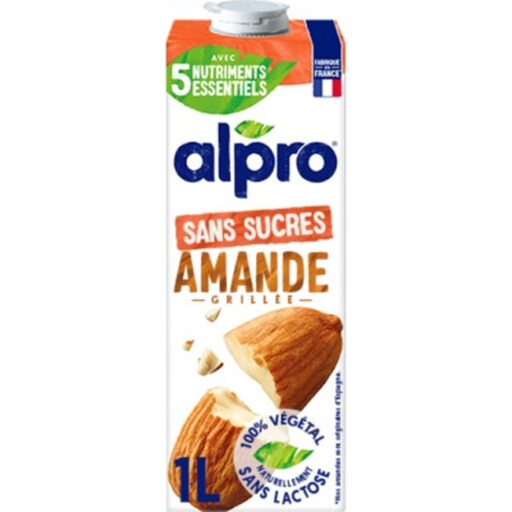 Image unavailable
Worth considering for coffee or cereal if you’re looking for this lactose-free variant. Joybuy’s product information states that it contains 0 g of sugars per 100 ml and 2.3% almonds; it also warns that it may contain traces of other tree nuts. This product isn’t suitable for anyone with an almond allergy.
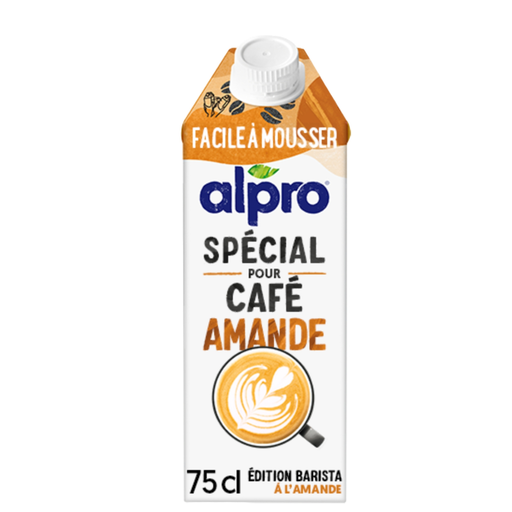 Image unavailable
Worth considering if you’re making coffee with a plant-based drink. “Barista” identifies this 75 cl variant: check its declared sugar content and allergen warnings if these factors influence your choice. It contains almonds.
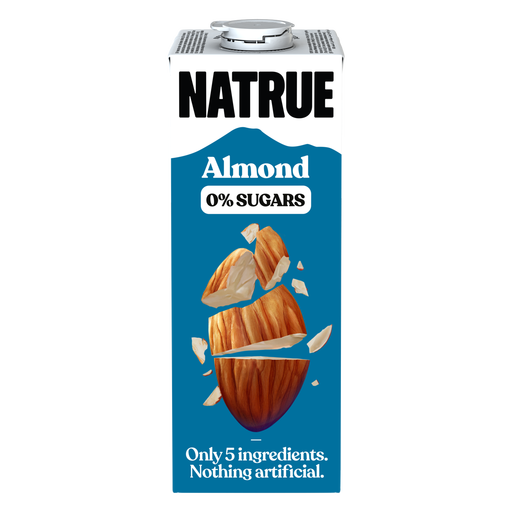 Image unavailable
For coffee or cereal, compare the nutritional information for this product with that of other cartons. If you avoid lactose or certain allergens, check the relevant warnings on the packaging; the drink contains almonds.
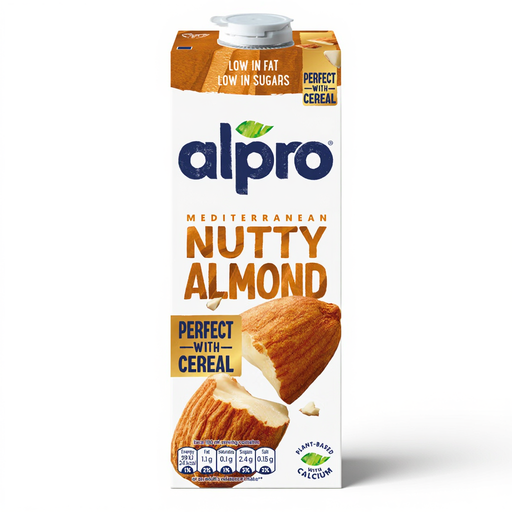 Image unavailable
Worth considering for cereal or a recipe if you aren’t specifically looking for the “unsweetened” variant. Compare the “of which sugars” figure with those for other Alpro drinks: similar-sounding names don’t guarantee identical ingredients. Follow the storage instructions on the carton you buy.
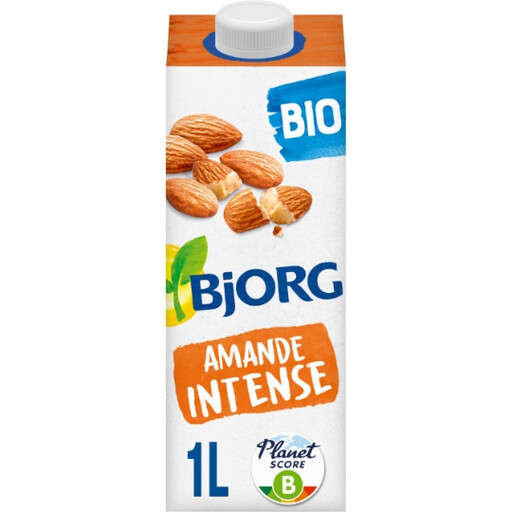 Image unavailable
For a festive recipe where you’d like to compare the ingredients in organic almond drinks, take a look at this Intense variant. Check its “of which sugars” figure and allergen warnings: don’t confuse it with the Bjorg “unsweetened” variant.
No: it contains almonds, an allergenic tree nut. So even a lactose-free product may not be suitable for someone with an almond allergy. Also check the product you choose for warnings about other allergens and traces.
No, this claim alone doesn’t mean that the declared sugar content is 0 g. To compare two almond drinks, check the “of which sugars” figure per 100 ml in the nutritional information and read the ingredients.
Compare the ingredients, the almond content if it appears on the packaging, and the nutritional values on the same basis, such as per 100 ml. Also check the allergens and storage instructions after opening if you plan to use the carton more than once.
Follow the time and temperature instructions on the carton you buy. The product information for some Andros and Auchan products recommends keeping them in the fridge and consuming them within five days of opening; don’t assume this applies to every brand.