Almond drink may be considered for a meal in a care home if the resident can consume almonds and its composition fits the planned menu. ‘Lactose-free’ does not mean ‘allergen-free’: check the packaging delivered, particularly for sugars, calcium and any ‘may contain’ warnings. If a resident is malnourished, has difficulty swallowing or follows a prescribed diet, the choice should form part of their individual dietary plan.
Which residents and teams is it for?
Residents looking for a lactose-free alternative
Almond drink may be included in the menu if almonds are compatible with the resident’s diet. Then compare the declared sugars and, if calcium matters for the menu, the composition of the specific product.
Teams managing an allergy or prescribed diet
Read the ingredients and any ‘may contain’ warnings on the packaging intended for service. Almond drink contains almonds; ‘lactose-free’ does not make it suitable for someone with an allergy to this ingredient.
Residents whose meals require nutritional monitoring
Consider how the drink fits into the full meal, particularly its energy, protein and calcium content. If the resident is malnourished or has difficulty swallowing, follow their dietary plan and prescribed texture.
What should you check before choosing?
Start by checking that the product is suitable for the resident, then compare the composition and serving instructions of the options that remain.
| Criterion |
What to check |
Who it matters to |
| Meal nutrition |
Nutritional values per 100 ml and calcium content; how the drink fits into the full meal. |
If the drink replaces one part of a meal, I want to know whether the planned nutritional intake remains suitable for the resident. Around 33% of consumers would prioritise this nutritional suitability. |
| Allergens and diet |
Almonds, any other relevant ingredients and ‘may contain’ warnings on the packaging delivered. |
For a resident with an allergy or prescribed diet, I need to rule out any unsuitable products before considering their taste. Around 27% of consumers would make this safety their priority. |
| Texture and serving |
Whether the product is suitable for the prescribed texture and its storage instructions after opening. |
If a particular texture has been prescribed, I can’t assume that a liquid drink is suitable to serve. Around 20% of consumers would put texture and serving suitability first. |
| Declared sugars |
Whether the label says ‘sugar-free’ or ‘no added sugars’, and the ‘of which sugars’ line in the nutritional information. |
When the menu has a sugar-related requirement, I want to distinguish between a claim and the declared content. Around 20% of consumers would say that checking these details is their main concern. |
What misconceptions should you avoid?
-
Mistaking ‘free from’ for ‘allergen-free’
‘Lactose-free’ and ‘sugar-free’ say nothing about whether a product contains almonds. Product information for some options also warns that they may contain other nuts.
Check the ingredients and ‘may contain’ warnings on the packaging delivered against the resident’s allergy information.
-
Replacing a drink or snack without considering the whole meal
Added calcium in a drink is not enough to establish that it meets a resident’s nutritional needs. The French National Authority for Health highlights the importance of individualised care for malnutrition in older people.
Discuss the replacement as part of the full dietary plan with the professionals who support the resident.
-
Confusing ‘no added sugars’ with ‘sugar-free’
A no-added-sugars recipe may still contain naturally occurring sugars. The wording on its own is no substitute for checking the nutritional values.
Check the exact claim and the ‘of which sugars’ line for the product you buy.
-
Opening several cartons without planning how to store them
Storage instructions after opening vary by product. Carrefour’s EcoMil product information says to keep it chilled and consume it within five days.
Plan serving quantities according to the instructions on each pack and your care home’s procedures.
A carton left open beyond the stated period may go to waste.
Brands to consider, depending on the product
A brand may offer products with different compositions. When choosing for a resident’s meal, compare the specific products rather than relying on the brand name alone.
Alpro
Carrefour features several unsweetened almond drinks, including toasted almond and white almond varieties.
- The product information for the toasted almond version says it contains added calcium and vitamins.
- This product contains almonds; fortification alone is not enough to determine whether it is suitable for a resident’s meal.
Andros Gourmand & Végétal
Carrefour describes a no-added-sugars almond drink with calcium, in a 1 L carton.
- The ingredients list shows 2.5% almonds and calcium carbonates.
- The product information warns that it may contain traces of gluten and other nuts; ‘no added sugars’ does not mean ‘sugar-free’.
Bjorg
Carrefour features a Bjorg organic, sugar-free almond drink.
- The ingredients list shown states that it contains 2.8% almonds.
- It warns that it may contain other nuts. If the menu requires added calcium, check the composition on the packaging delivered.
EcoMil
Carrefour describes an organic, no-added-sugars almond drink presented as a source of calcium.
- The product information states that it contains 7% almonds and gives storage instructions for after opening.
- The drink contains almonds; its composition and texture must fit the resident’s dietary plan.
Almond drinks available on Joybuy
These almond products have different formulations and uses, including a UHT version labelled as sugar-free and a version designed for coffee. Before including one in a care home meal, compare its label with the resident’s diet, nutritional needs and required texture.
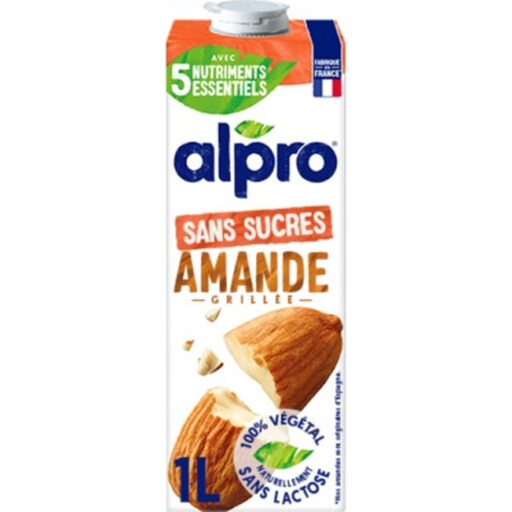 Image unavailable
Alpro Almond Unsweetened UHT, 1 l
Worth considering if the menu calls for a sugar-free almond drink. The title identifies a 1 l UHT carton; check the allergen information and the composition on the packaging before serving.
View on Joybuy
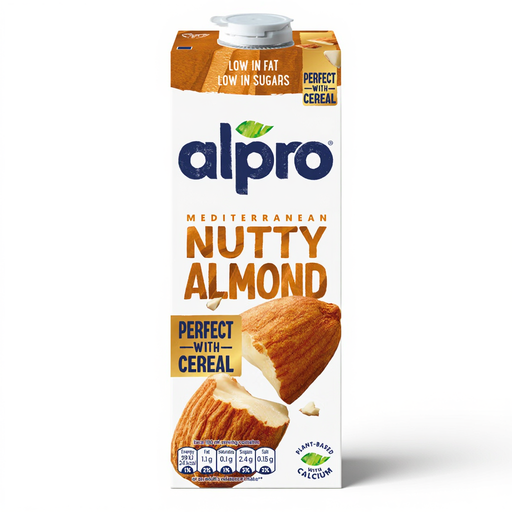 Image unavailable
Alpro Almond Drink, 1 l
Compare this option when the menu calls for an almond drink but not necessarily a sugar-free one. The stated size is 1 l; check the declared sugars and allergens for this variety.
View on Joybuy
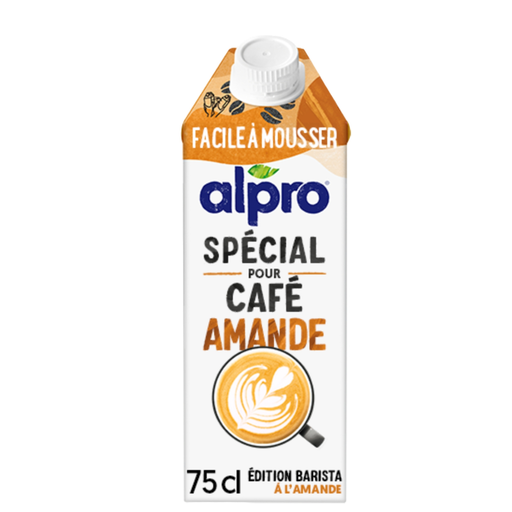 Image unavailable
Alpro Barista almond-flavoured plant-based drink, 75 cl
This Barista variety may be worth considering for serving with coffee, if that suits the menu. It comes in a 75 cl carton; check the composition, particularly the sugars, before considering it for a resident.
View on Joybuy
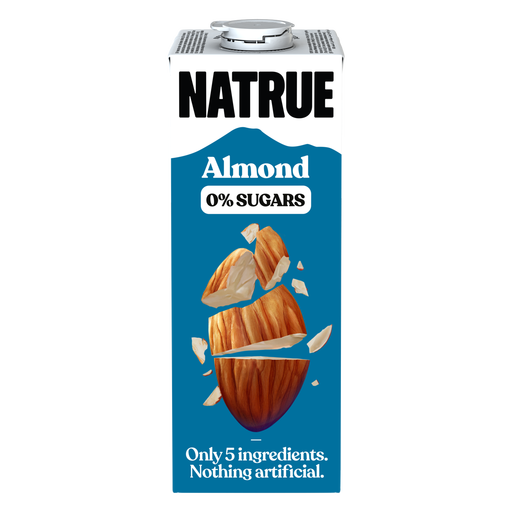 Image unavailable
NATRUE 0% Almond Drink, 1 l
Worth considering when declared sugars are a menu requirement, but don’t infer the composition from ‘0%’ in the name alone. The stated size is 1 l; also check for ingredients that may be unsuitable for the resident’s diet.
View on Joybuy
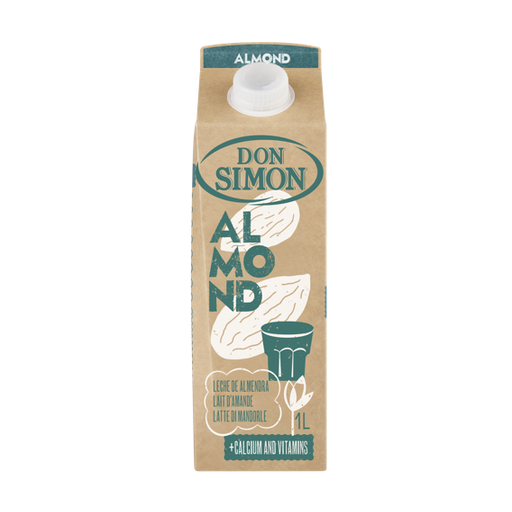 Image unavailable
DON SIMON Sugar-Free Almond Drink, 1 l
If sugars are important for the meal, be sure to check the ‘of which sugars’ line on the packaging: the information associated with this product is inconsistent on this point. The stated size is 1 l and the drink contains almonds.
View on Joybuy
Frequently asked questions
Is lactose-free almond drink allergen-free?
No: being lactose-free does not exclude almonds, which are present in almond drink. Don’t choose it for a resident with an almond allergy. For any other relevant allergy, also check the ingredients and ‘may contain’ warnings for the product delivered.
Should you choose an almond drink fortified with calcium?
Only if this fits the menu and the resident’s identified needs. Carrefour’s product information for the Alpro, Andros and EcoMil options featured here mentions calcium; check the composition of the variety actually being served.
Can almond drink replace a dairy drink if someone is malnourished?
Don’t make this replacement decision based on the drink being plant-based alone. The French National Authority for Health considers malnutrition in older people a condition that requires appropriate assessment and care. So review the full meal with the professionals supporting the resident.
What should you check on the label before serving the drink?
Check the ingredients, highlighted allergens, nutritional information and storage instructions on the packaging delivered. The Directorate-General for Competition Policy, Consumer Affairs and Fraud Control outlines French labelling rules for prepacked foods. Then compare this information with the resident’s diet and your care home’s procedures.


