People putting together a plant-based snack
You’d like to have an almond drink after training and are considering its protein content alongside the other foods in your snack.


For a post-exercise snack, choose an almond drink based on its protein and carbohydrate content, as well as what you have with it, rather than its name alone. If you have another session coming up soon, consider the nutritional contribution of the whole snack. Also check the sugars, allergens and storage instructions for the product you choose.
You’d like to have an almond drink after training and are considering its protein content alongside the other foods in your snack.
You’re planning a snack before your next workout and want to consider both carbohydrates and protein, not just how the drink tastes.
You’re comparing recipes by their sugar content and ingredients, particularly if the presence of almond as an allergen affects your choice.
First decide what role the drink will play in your snack, then compare the nutritional information and ingredients of the recipes you’re considering.
| What to check | Things to look for | Who this matters to |
|---|---|---|
| Protein | Compare the protein per 100 ml, then check how much you’ll get from the amount you plan to drink. | After training, I want my drink to contribute to the protein in my snack, without relying on it alone. Around 42% of consumers would make this their top priority. |
| Carbohydrates and protein | Check both figures per 100 ml and consider the foods you’re planning to have before your next session. | When another workout is coming up, I want to put together a snack that provides both carbohydrates and protein. This would be the main consideration for around 33% of consumers. |
| Sugars and ingredients | Check the sugars, ingredients list and allergens for the exact product. | I want to check the sugars in the recipe and find out whether it contains an ingredient I need to avoid, such as almond if I have an allergy. Around 25% of consumers would prioritise this check. |
Protein levels vary by recipe: the Auchan and Joybuy listings show 1.8 g of protein per 100 ml for Bjorg “organic protein” and 0.6 g per 100 ml for Lu Lu original, respectively.
Compare the “protein” figures for the same quantity, then work out how much you’ll get from the portion you plan to drink.
The Carrefour listing for Amande Intense Bio shows 7% almonds, but also 4 g of added sugars per 100 g. The proportion of almonds alone doesn’t tell you everything about the drink’s composition.
Also check the sugars, carbohydrates and protein, depending on the role you want the drink to play in your snack.
According to a review on recovery after endurance exercise published in Current Sports Medicine Reports, carbohydrates and protein play complementary roles. The words “almond drink” don’t tell you how much of either it contains.
Look at the whole snack and the nutritional contribution of the foods you’re having with the drink.
Almond is an allergenic tree nut. You should also check the storage instructions for the exact product: the Auchan listing for Bjorg “organic protein” says to keep it chilled after opening and use within 4 days.
If you’re allergic to almond, avoid drinks that contain it. For storage, follow the instructions on the carton you buy.
The 1 L “organic protein” almond drink is worth comparing if you’re looking to include protein in your snack.
The 1 L almond drink with marzipan flavour is a flavoured recipe whose ingredients list includes sugar.
The 1 L Amande Intense Bio drink may appeal if the stated proportion of almonds is important to you.
This almond drink could be considered as part of a post-exercise snack. Check its name and label against the criteria that matter to you.
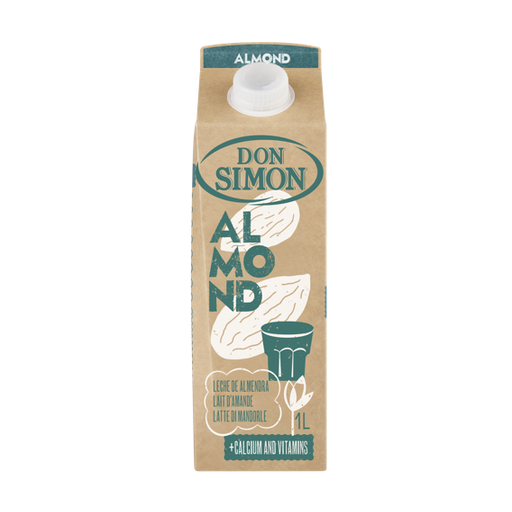 Image unavailable
If you’re having it as part of a post-exercise snack, remember to consider the foods you have with it too.
Size: 1 L.
Before choosing this product because it says “Sugar-Free”, check the “of which sugars” figure on the carton you buy.
Contains almond, so avoid it if you’re allergic to this ingredient.
Don’t assume it’s enough on its own. A review published in Current Sports Medicine Reports describes the complementary roles of carbohydrates and protein in recovery after endurance exercise. Check how much of each is in the drink and the rest of your snack.
Compare their protein and carbohydrate content for the same quantity, then check the sugars and ingredients. For example, the Auchan and Joybuy listings show 1.8 g of protein per 100 ml for Bjorg “organic protein”, compared with 0.6 g per 100 ml for Lu Lu original. You can’t tell the protein content from the product category alone.
Avoid drinks that contain almond and check the ingredients list for the exact product. The EFSA notes that avoiding the food responsible is necessary in the case of a food allergy.
Follow the instructions on the carton you buy. For Bjorg “organic protein”, the Auchan listing says to keep the drink chilled after opening and use within 4 days. This guidance doesn’t apply to every recipe.