
Livraison le jour même ou le lendemain

Qualité garantie

Débloquez vos offres de bienvenue: Livraison GRATUITE | Jusqu'à -80 % | 30 jours d'essai gratuits à JoyPlus
Téléchargez l'application
Almond biscuits come in many forms: chocolate-coated sticks, shortbread, crunchy biscuits, wafers and Middle Eastern pastries. This variety offers a huge choice, but it can also make shopping more complicated. An attractive packet doesn’t guarantee a pleasant texture, the right size, or a recipe that matches what you’re looking for.
Before you fill your basket, there are three pitfalls worth watching out for.
Start by reading the ingredients list, which is presented in descending order of quantity in line with European labelling rules. The percentage stated is particularly useful for comparing products.
For example, Anabtawi Barazek with Almond contains 15% almonds, while the pistachio and almond version lists 10% almonds and 7% pistachios. Daliyuan Crunchy Almond Biscuits, on the other hand, contain 8% almonds. These figures don’t tell you everything about taste, but they do help you understand the composition of each recipe.
In almond and chocolate biscuits, the almond can appear as powder, praline paste or pieces. Glico chocolate-coated sticks, for instance, combine biscuit, chocolate and almond pieces. The mouthfeel will be completely different from a shortbread where the almond is mixed directly into the dough.
For a break at the office, on the train or at university, almond snacks in small packs stop you from leaving an open bag lying around. Biscuit sticks with almonds are also easy to share, as long as you check how much you’re actually getting.
For enjoying with tea or coffee at home, a pack of almond shortbread, Middle Eastern biscuits or fingers is often a better choice. Sizes of 375–500 g are designed for several servings, but they need careful storage in a dry place, away from heat and moisture.
Products coated in chocolate or filled with cream can be sensitive to high temperatures. For some almond confectionery and topped bars, the packaging recommends storage between 14 and 18 °C. Follow this advice to keep the texture and appearance of the product.
The allergen list should be checked carefully, especially if you have an allergy or intolerance. The products featured here often contain wheat or gluten, milk, soya and almonds. Some also mention sesame, peanuts, pistachios or sulphites.
Nutritional values are usually given per 100 g. They make comparison easy, but the amount you actually eat matters just as much: a 32 g portion obviously has a different impact from a 500 g bag. Also check the sugar, fat and salt content, and don’t forget the best-before date on the packaging.
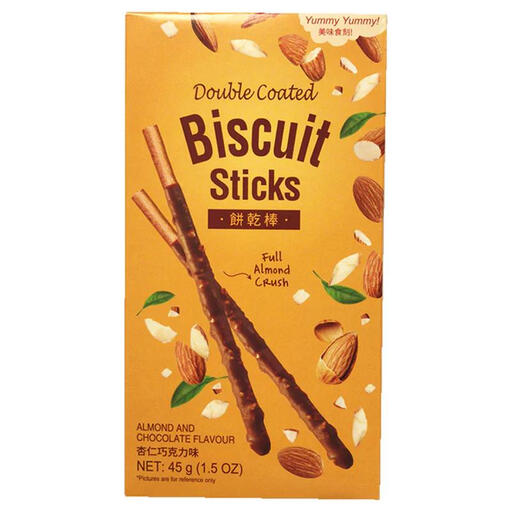
Why this choice suits this profile: Its 45 g size is perfect for a first try or an individual snack. The combination of crunchy biscuit, chocolate and almond pieces is easy to enjoy.
The quantity is clearly stated and the description specifies the presence of cocoa, milk and almonds. The small pack reduces the risk of losing crunchiness after opening.
Light sticks, double chocolate coating and crunchy pieces. Allergens listed: wheat, milk, soya and almonds.
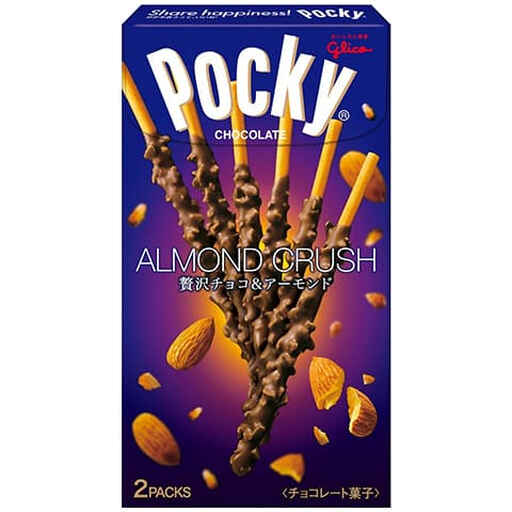
Why this choice suits this profile: The two-compartment pack lets you save some for later. The recipe draws on international influences, with chocolate, almond praline and milk powder.
The composition lists the ingredients and allergens rather than just making a taste promise. The double packaging helps you manage your consumption better.
Stick texture, chocolate and almonds. The product page states 558 kcal and 48.9 g of sugars per 100 g.
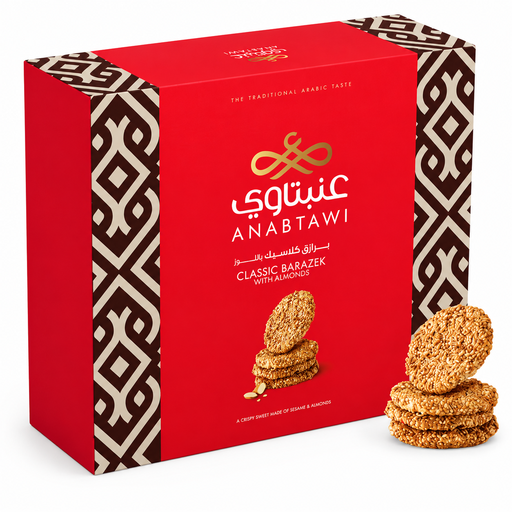
Why this choice suits this profile: The large size is ideal for family gatherings, sharing moments and enjoying regularly with tea or coffee.
The almond percentage, presence of sesame and nutritional values are all stated. You can check the recipe before buying, especially if you have an allergy.
500 g size, Middle Eastern biscuit texture and almond-sesame combination. Recommended storage is in a cool, dry place.
We’ve put together a full list, updated in real time, of products that fully meet these strict selection criteria and European safety regulations.
Almond shortbread, barazek and fingers are generally good for this, because they’re easy to eat one at a time. Choose a resealable pack or transfer the biscuits to an airtight container after opening to keep their texture.
Store them in a dry, cool place away from direct light. Seal the pack carefully or use an airtight container. Chocolate-coated products also need to be kept away from heat to stop the coating from softening or turning white.
Not always. The recipes may contain wheat, milk, soya, sesame, peanuts, pistachios or sulphites. Always check the French label, the ingredients list and any “contains” or “may contain” statements before eating them.