
Livraison le jour même ou le lendemain

Qualité garantie

Débloquez vos offres de bienvenue: Livraison GRATUITE | Jusqu'à -80 % | 30 jours d'essai gratuits à JoyPlus
Téléchargez l'application
Almond-based products suit all sorts of occasions: snacks on the go, biscuits to share, chocolate, spread, plant-based drinks and Korean specialities. The choice is great, but it can also make it harder to decide. Attractive packaging doesn’t always tell you how many almonds a product contains, how much sugar it has or which allergens are present.
Before you place an order, watch out for these three common pitfalls:
Ingredients are listed in descending order by weight. So, when choosing flavoured roasted almonds or almond snacks, check where almonds appear in the recipe.
For example, Nutsholic Almonds Strawberry Flavour contains 70% roasted almonds. The coating combines sugar, flavouring and strawberry powder. A chocolate bar, on the other hand, may contain a smaller amount of almonds, with biscuit, chocolate or fat making up a larger proportion.
The percentage is just as important when choosing almond spread. Lucien Georgelin’s recipe contains 25% whole roasted almonds, along with white chocolate, milk powder and sugar. It’s therefore better suited to toast and desserts than eating on its own.
Values per 100 g make it easier to compare products, while the pack’s actual weight helps you judge what a real serving looks like. Almonds are naturally high in energy, and flavoured recipes can also contain a significant amount of sugar or salt.
For a sweet almond snack, take a closer look at:
For a savoury almond snack, pay particular attention to the salt and seasoning ingredients. HBAF Almond Garlic Bread Flavor, for example, contains 1.58 g of salt per 100 g, as well as wheat, milk and soya. It’s worth checking the label to avoid ordering a product that doesn’t suit your usual diet.
Always check the “contains” information before buying, especially if the product is for the whole family. The products featured here list almonds, milk, soya, gluten or sesame, depending on the recipe.
Storage requirements also vary:
For breakfast, almond milk or another plant-based drink may be more convenient than a solid snack. Alpro Almond Drink 1L contains 2.3% almonds and can be served with cereal, used in a recipe or enjoyed on its own. The 75 cl Barista version is designed to go with coffee and should be refrigerated after opening.
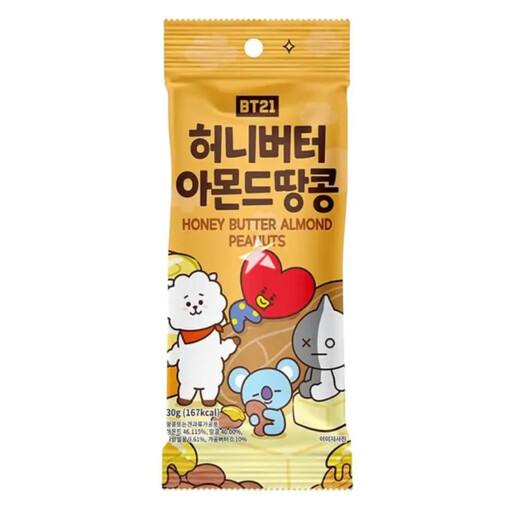
Why it’s a good fit for this shopper: At 30 g, this pack is a handy way to try Korean almonds without committing to a larger size. BTS and BT21 fans will also appreciate the packaging inspired by the brand’s world.
The small pack helps prevent overstocking and makes it easier to manage your portion. Milk and soya are clearly listed as allergens.
A single-serve 30 g pack, with almonds as the main ingredient and a honey butter flavour.
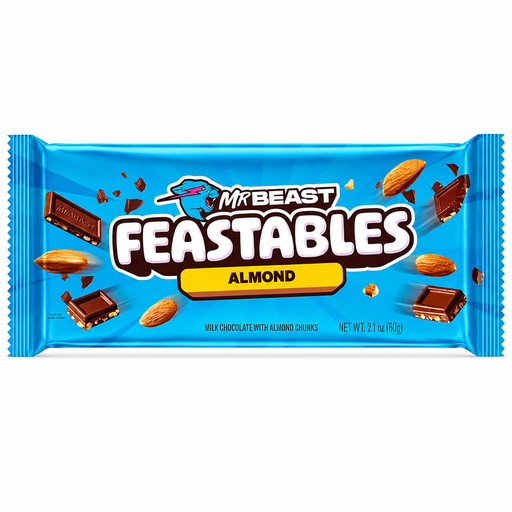
Why it’s a good fit for this shopper: This 60 g bar combines milk chocolate with whole almonds, making it ideal for a little treat or for introducing someone to something different.
The product information states that it contains 12% almonds, as well as milk and soya. That gives you clear details to assess the recipe, rather than relying on the packaging alone.
A 60 g bar with milk chocolate, whole almonds and at least 30% cocoa, as stated in the description.
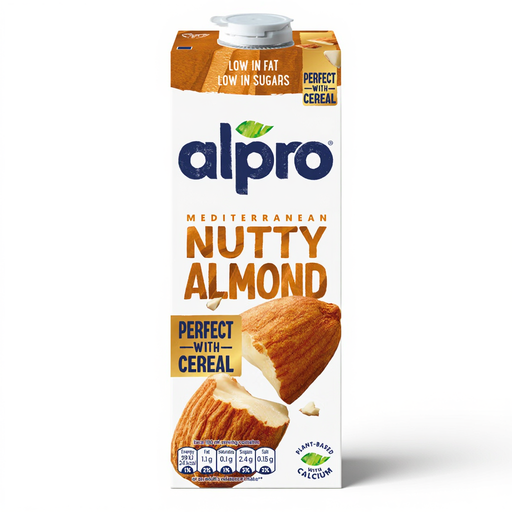
Why it’s a good fit for this shopper: The one-litre carton is handy for regular breakfasts, cereal and recipes that call for a plant-based drink.
The 2.3% almond content is clearly stated, so you won’t mistake a flavoured drink for one with a high almond content. After opening, follow the storage instructions on the packaging.
A family-size 1 l carton, with 24 kcal per 100 ml according to the product information, plus added calcium and vitamins.
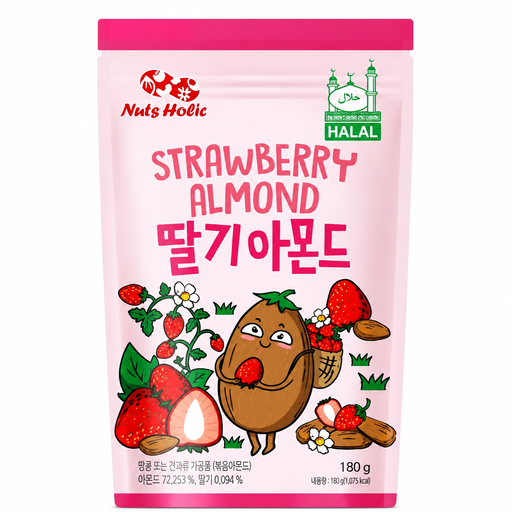
Why it’s a good fit for this shopper: This South Korean pack pairs strawberry with almonds. It’s great for sharing, giving as a gift or enjoying as an unusual treat.
The product information confirms that it contains 70% roasted almonds and lists milk, as well as possible traces of gluten, peanuts and sesame.
A 180 g pack of roasted almonds with a strawberry coating. Store in a cool, dry place.
A 1 l almond drink is usually the most convenient option for serving with cereal, making hot drinks or using in recipes. Check its almond content, whether it contains added sugar and how it should be stored after opening.
Follow the date on the packaging and reseal the pack carefully. Keeping it in a cool, dry place away from direct light and moisture helps maintain its crunch. Almond drinks should be refrigerated after opening and used within the recommended time.
Start by comparing the sugar and salt content per 100 g, then check the serving size. Strawberry, honey, chocolate and cream flavours are better suited to those with a sweet tooth, while wasabi, garlic and spicy chicken are more likely to appeal to fans of savoury almond snacks.