
Livraison le jour même ou le lendemain

Qualité garantie

Débloquez vos offres de bienvenue: Livraison GRATUITE | Jusqu'à -80 % | 30 jours d'essai gratuits à JoyPlus
Téléchargez l'application
A single bike for weekend trails and weekday city commutes? That's the holy grail. Between the technical jargon, tyre types, and a jungle of regulations, it's easy to get lost. This guide is here to cut through the noise and help you choose the all-terrain electric bike that’s truly right for you—without the marketing fluff.
Before diving into our top picks, let's review the key points for making the right choice, while staying compliant with French and European legislation.
Range is undoubtedly the number one criterion. Expressed in kilometres, it directly depends on the battery's capacity, measured in amp-hours (Ah) and volts (V). For daily commutes and a few casual rides, 10 to 13 Ah will suffice. For longer excursions, aim for at least 15 Ah.
Also, consider practicality: an e-bike with a removable battery is a major advantage. It saves you from having to haul the entire bike into your home or office just to recharge it.
The choice of tyres determines how the bike handles on different terrain.
In France, for a Pedal Assist Electric Bike (Pedelec) to be legally ridden on public roads, it must adhere to three golden rules:
Warning: More powerful models, such as some off-road electric dirt bikes, are strictly for use on private land. They are not road-legal.
Here are a few models that stand out for their versatility and performance, catering to different types of riders.

Why it stands out: The Engwe Engine X is the perfect blend of an electric fat bike and a folding bike. It's the ideal solution for those short on space or who want to take it anywhere (public transport, car boot...).
Key features:
Who is it for? Perfect for bike commuters who love to escape to the trails on weekends and are looking for an easy-to-store model.
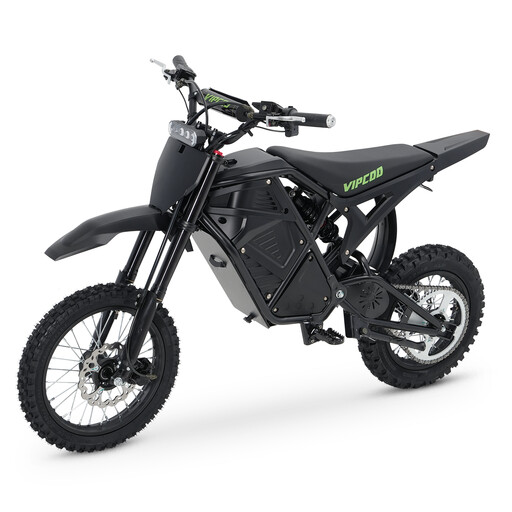
Why it stands out: The VIPCOO H3 is an off-road electric dirt bike built for raw performance, far from the tarmac. Its powerful motor and advanced suspension make it the dream machine for thrill-seekers.
Key features:
Important Information: Please note, in accordance with regulations, this vehicle is not approved for public roads. Its use is strictly limited to private land and tracks.
Who is it for? For motorsport and off-road enthusiasts looking for a powerful machine to have fun on private property.
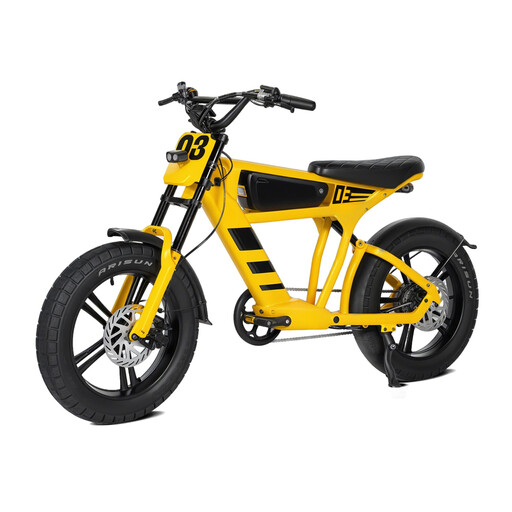
Why it stands out: The Mangosteen FT03 is an all-terrain electric bike that is all about ultimate versatility. It combines the comfort of dual suspension, the safety of hydraulic brakes, and the grip of extra-wide tyres.
Key features:
Who is it for? For riders who refuse to choose between daily comfort and the ability to venture onto any terrain on the weekend.
The battery is the heart of your e-bike. Whether you're looking to replace an end-of-life model or get a second battery to push the limits of your rides, choosing a compatible, high-quality model is essential. Take a look at our selection.
Discover our range of e-bike batteries
The actual range depends on many factors: battery capacity, assist level, rider weight, elevation, terrain type… On average, you can expect 50 to 90 km with a standard battery (around 48V 13Ah). Long-range models can exceed the 100 km mark.
Absolutely! An electric fat bike is actually very comfortable in the city. Its oversized tyres smooth out road imperfections (potholes, cobblestones...), providing a real magic carpet ride. On the downside, it will be slightly less nimble and heavier than a classic urban e-bike. It's all a matter of finding the right balance between comfort and agility.
For a road-legal pedelec (250W motor, assist up to 25 km/h), no specific insurance is mandatory. Your public liability insurance (often included in your home insurance policy) covers damages you might cause to others. However, it's wise to check the clauses of your contract! On the other hand, for non-road-legal vehicles (over 250W), dedicated insurance is mandatory, even for use on private land.