
Livraison le jour même ou le lendemain

Qualité garantie

Débloquez vos offres de bienvenue: Livraison GRATUITE | Jusqu'à -80 % | 30 jours d'essai gratuits à JoyPlus
Téléchargez l'application
Buying alcoholic drinks online makes it easy to compare sparkling wines, aperitifs, spirits and liqueurs from around the world. But an appealing product page doesn't always guarantee the right choice. Alcohol content, bottle size, allergens and storage conditions all have a direct impact on both your experience and your budget.
Here are the key factors to consider before an online alcohol purchase, along with a selection tailored to different profiles of adults of legal drinking age.
A sparkling wine, a crémant and a mousseux don't necessarily offer the same flavour profile or level of sweetness. A Crémant de Bourgogne benefits from a protected designation of origin, whereas a mousseux may come from a different region and be made using a different method.
The same logic applies to Asti Spumante: typically made from the Moscato grape and low in alcohol, it differs from a brut sparkling wine, which is often drier and easier to pair with a meal.
A 70 cl or 75 cl bottle alone tells you nothing about the strength of the product. A 70 cl alcohol at 17% ABV is not consumed in the same way as a 70 cl spirit at 40% ABV. Always check:
Smaller formats, such as cans of ready-to-drink cocktails, are better suited to individual consumption. Bottles of 70 cl or 75 cl are more appropriate for a drinks party with friends, a reception or making several cocktails.
Alcoholic drinks can contain sulphites, milk, flavour extracts, sugars or fruit juices. Sparkling wines often mention the presence of sulphur dioxide and sulphites. A cream liqueur like Baileys contains milk; a creamy punch may also contain milk powder or concentrated milk.
Before ordering, check the product page and then verify the label on arrival. Information can vary from batch to batch or vintage to vintage.
The alcohol content should be consistent with the occasion. For a long, refreshing aperitif, a sparkling wine, an Italian aperitif or a low-alcohol ready-to-drink cocktail can be good choices. For sipping in small quantities, a Japanese liqueur, an amaretto or a spiced rum offer more intense flavours.
A few benchmarks from the products featured here:
These differences affect both the serving size and how you store the bottle after opening.
The term "brut" generally refers to a wine with low sugar content, but it doesn't fully describe the mouthfeel. A rosé sparkling wine might evoke red fruits, while an Asti Spumante will be more marked by the Moscato grape and a fruity expression.
To refine your choice, look out for the following indicators:
Serving temperature matters too. Sparkling wines are best enjoyed chilled. Peach soju can be drunk chilled, neat or in a cocktail. A spiced rum is best served very cold, while an amaretto can be enjoyed neat, on the rocks or mixed.
Store bottles in a cool, dry place, away from heat, humidity and direct light. After opening, reseal the products carefully and follow the instructions on the label.
Sale and consumption are restricted to persons of legal drinking age in France. Alcohol should be consumed in moderation. It is not recommended during pregnancy; never drink and drive.
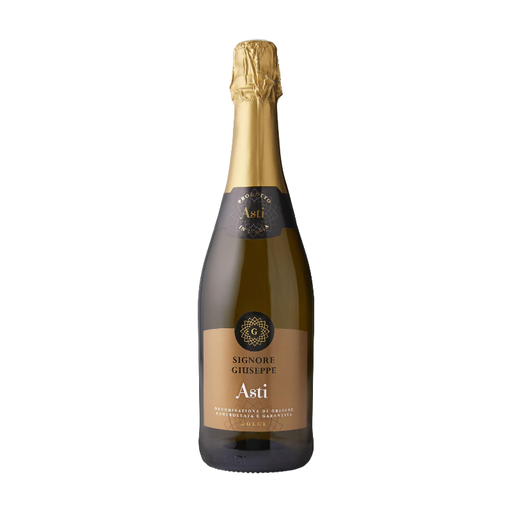
Why this choice suits this profile: With its 75 cl and 7.5% ABV, it's perfect for a sociable aperitif. Its fruity expression is based on 100% Moscato.
The page clearly states the Italian origin, Asti DOCG appellation, grape variety, volume and alcohol content.
A 750 ml sparkling wine, made from 100% Moscato, with sulphites declared and recommended storage away from heat and light.
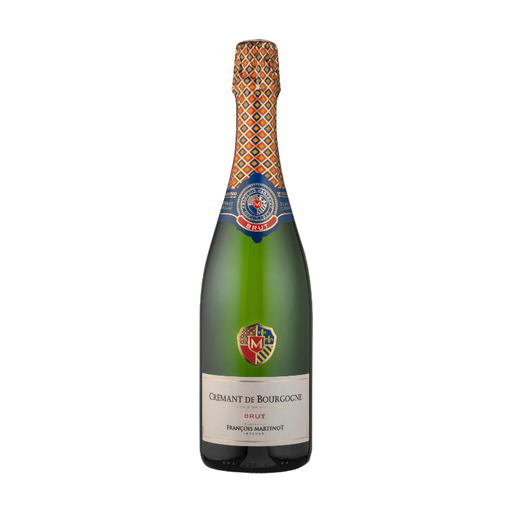
Why this choice suits this profile: Its description mentions fine bubbles, citrus, floral notes and a hint of toasted hazelnut – ideal for accompanying a meal or reception with elegance.
The AOP Crémant de Bourgogne appellation and region of origin are clearly stated – so the choice isn't based solely on the bottle's appearance.
A French wine in brut style, stated at 70 kcal per 100 ml, with sulphites clearly declared.
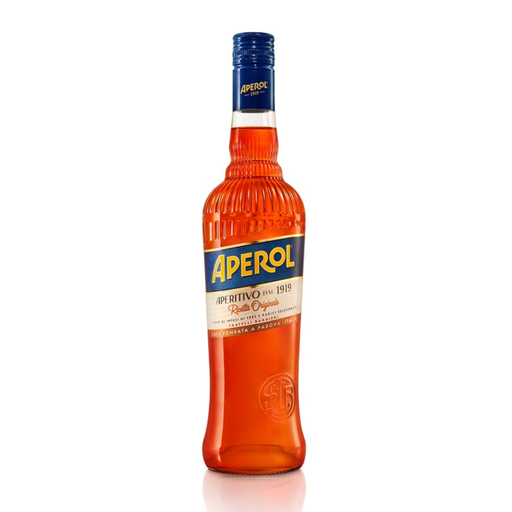
Why this choice suits this profile: This Italian aperitif is designed for making an Aperol Spritz with prosecco, sparkling water, ice and a slice of orange.
The recipe and proportions are given: 3 parts prosecco, 2 parts Aperol and 1 part sparkling water.
A 70 cl format, 12.5% ABV and versatile use, for aperitifs as well as cocktails.
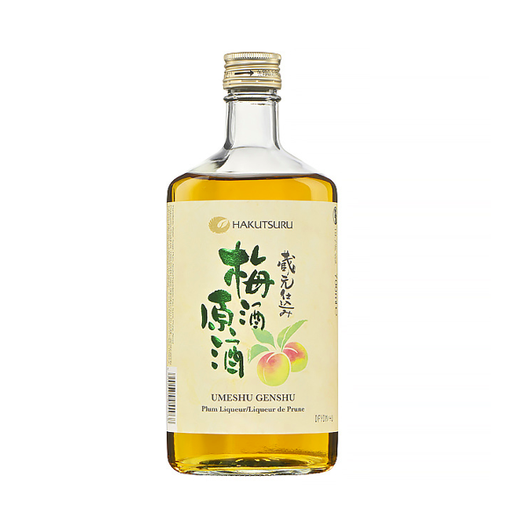
Why this choice suits this profile: Made from ume plums, this Japanese liqueur offers a fruity, slightly sweet and tangy profile. It can be enjoyed neat, on the rocks or in a cocktail.
The origin, the fruit used, the format and the stated ABV of 19.70% are all detailed, making comparison easy.
A fruity profile, a 70 cl bottle and three serving suggestions: neat, on the rocks or in a cocktail.
We've put together a comprehensive, real-time selection of products that meet these exacting standards and European safety regulations.
To broaden your selection, several product families could find a place in your basket:
The idea is to compare alcohol content, volume, ingredients, allergens and serving temperature, rather than choosing solely on brand or bottle appearance.
Yes. Distance selling is available to adults of legal drinking age. The seller must provide the regulatory information about the product and apply age restrictions. At delivery, verification may be requested depending on current conditions.
A sparkling wine or crémant is more suited to table service or a reception. A ready-to-drink cocktail is convenient in individual portions and generally requires no mixing. However, do compare the volume, alcohol content and sugar content when stated.
A sparkling wine gradually loses its bubbles after opening, even with a suitable stopper. Liqueurs and spirits generally keep longer once properly resealed and stored away from light and heat. For products containing cream, milk or fruit juices, always follow the label instructions.