
Livraison le jour même ou le lendemain

Qualité garantie

Débloquez vos offres de bienvenue: Livraison GRATUITE | Jusqu'à -80 % | 30 jours d'essai gratuits à JoyPlus
Téléchargez l'application
Buying alcohol-free soft drinks online seems simple… until you are faced with dozens of sodas, fizzy drinks, juices and multipacks in very different formats. Whether you are shopping for a family, a shared house, a party or a catering business, the wrong choice can quickly mean unnecessary spending, cans that are difficult to store or drinks that do not suit your usual consumption habits.
Before filling your basket, there are three pitfalls to watch out for:
When comparing sugar-free drinks or low-calorie drinks, start by checking the ‘of which sugars’ line per 100 ml, then relate it to the amount you are actually going to drink. A 33 cl can may contain a very different amount of sugar from the figure shown per 100 ml.
According to the information provided, Pepsi Max Zero Sugar contains 0 g of sugars and 0.4 kcal per 100 ml. However, its recipe contains aspartame and acesulfame-K, as well as a source of phenylalanine. This is worth bearing in mind for people with phenylketonuria or anyone wishing to limit their intake of certain sweeteners.
Classic soft drinks such as Coca-Cola Original Taste contain 10.6 g of sugars per 100 ml, according to the product details. Format is therefore very important: a 33 cl can represents approximately 35 g of sugars based on the information shown on the packaging.
33 cl cans are easy to hand out at a meal, meeting or event. They also save you from having to store an opened bottle. A pack of 24 generally represents 7.92 litres, which may suit a large family, an association or a takeaway professional.
1.5-litre bottles, such as the Coca-Cola Original Taste 6 × 1.5 L pack, offer a total volume of 9 litres. They are better suited to shared meals, but require enough space in the fridge. After opening, always follow the manufacturer's storage instructions.
For a business purchase, compare the price per litre, number of units and parcel weight. A larger multipack is not necessarily more economical if some of its contents are likely to go unused.
A fruit drink is not necessarily a juice. Oasis Strawberry, for example, is a fruit drink containing 0.3% strawberry juice from concentrate, as well as 7.4 g of sugars per 100 ml and vitamin C, according to its product details. Dimes 1 L orange juice, on the other hand, states 100% orange juice and 9 g of sugars per 100 ml, with no added sugar according to the available information.
Exotic drinks may also contain colourings or potential allergens. Ice Talk Watermelon Drink contains, among other ingredients, the colouring E129 and carries a warning about a possible effect on children's activity and attention. Energy drinks require particular care: Monster Energy Ultra Strawberry Dreams contains 30 mg of caffeine per 100 ml, equivalent to 150 mg per 500 ml can. The product details state that this product is not recommended for children, pregnant or breastfeeding women, or people sensitive to caffeine.
Always check the label of the product you actually receive, particularly for imported products: the recipe and information shown on the packaging may change.
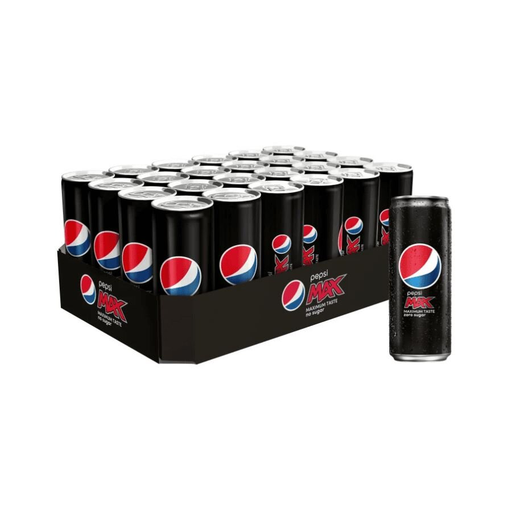
Why it suits this profile: A pack of 24 cans is ideal for households that want to keep a sugar-free cola to hand for meals, breaks or entertaining.
The total volume is clearly stated: 7.92 litres. The product details also specify 0 g of sugars per 100 ml, along with the presence of sweeteners and caffeine.
24 × 33 cl cans, manufactured in France, with storage before opening in a cool, dry place.
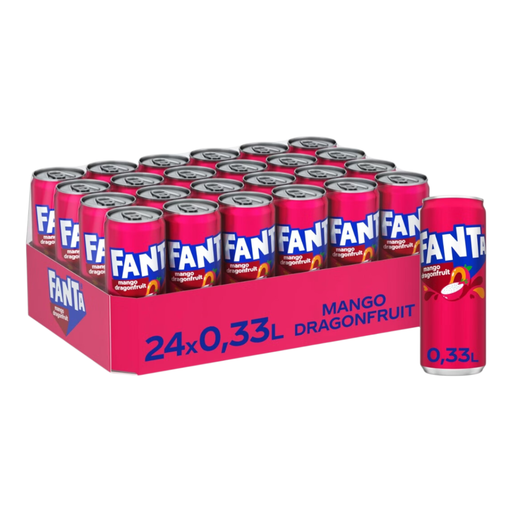
Why it suits this profile: This fizzy drink combines orange, mango and dragon fruit, offering a change from more classic soft-drink flavours.
The product details state 2.7% orange juice, 0.1% mango juice and 0.1% dragon fruit purée: a fruity flavour does not necessarily mean that the drink is a juice.
The 24-can pack is well suited to parties, events and shared storage.
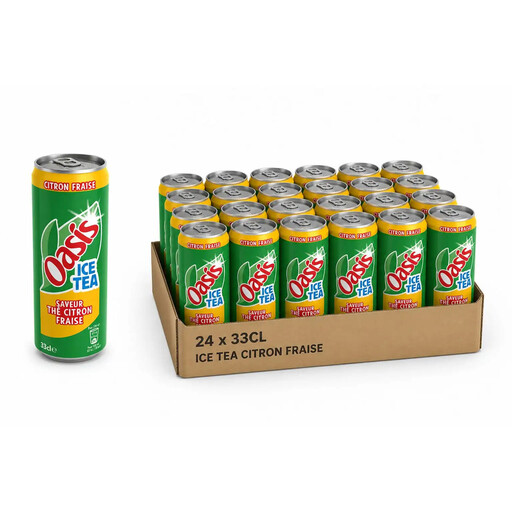
Why it suits this profile: With notes of lemon and strawberry, this iced tea is an alternative to colas and energy drinks, whether enjoyed with a meal or during a break.
The product details specify 3% juice from concentrate and 4.8 g of sugars per 100 ml. The term ‘light’ should therefore be considered alongside the nutritional values.
The pack of 24 × 33 cl cans makes individual serving easy and is convenient to store in an association or catering space.
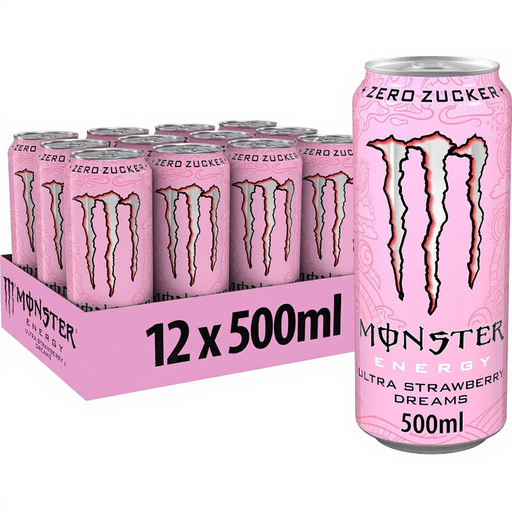
Why it suits this profile: Its 500 ml format and strawberry flavour are aimed at adults looking for a sugar-free energy drink.
The caffeine content is clearly stated: 30 mg per 100 ml. The product details also mention an age restriction of 16 and warnings for several categories of people.
The pack of 12 cans represents 6 litres in total, and the product details state 0 g of sugars per 100 ml.
Packs of 24 × 33 cl cans allow you to serve each guest quickly, without needing glasses for a bottle to share. For a family meal, 1.5-litre bottles can reduce the amount of packaging, provided you have enough space in the fridge and follow the instructions after opening.
Not necessarily. The values must be checked for each product. Pepsi Max Zero Sugar states 0.4 kcal per 100 ml, while some drinks marketed as low-calorie still contain sugar. Check the nutrition table and sweetener list before comparing products.
Before opening, store them in a cool, dry place away from sunlight and extreme temperatures. Once a bottle has been opened, place it in the fridge and follow the time limit stated on the label. Individual cans should ideally be consumed immediately after opening to preserve their fizz and flavour.