
Livraison le jour même ou le lendemain

Qualité garantie

Débloquez vos offres de bienvenue: Livraison GRATUITE | Jusqu'à -80 % | 30 jours d'essai gratuits à JoyPlus
Téléchargez l'application
From dinner leftovers and meals prepared in advance to dry ingredients and packed lunches, airtight food storage containers have become essential in many kitchens. The key is choosing the right model: an unsuitable container can quickly take up too much space, leak inside your bag or start to show signs of wear after just a few uses.
Here are the criteria to consider before buying, along with a selection designed for different needs.
A lid that is simply placed on top protects against dust, but it is not enough for carrying sauce, soup or a meal in the car. To reduce the risk of leaks, look for a silicone seal and a fastening system that holds the lid securely on several sides.
Models with four clips, such as those from Lock&Lock, make it easy to check at a glance that every side is properly locked. However, you still need to close all the clips correctly before pouring in any liquid.
The term ‘microwave-safe’ generally applies to the body of the container, not its lid. A plastic lid or silicone seal should not be placed in an oven unless the manufacturer explicitly permits it.
To reheat a meal, remove the lid and follow the instructions provided with the product. Borosilicate glass may be suitable for use in the oven, microwave and freezer, depending on the model, but thermal shock should be avoided.
A collection of containers in different sizes can quickly take over an entire drawer. Stackable or nestable food containers make storage easier, particularly when their dimensions are standardised across the same range.
Before placing your order, also measure the available height in your fridge and the width of its shelves. A large container is not very practical if it stops you from seeing or reaching the other foods.
The term BPA-free plastic food storage container tells you about the product’s stated composition, but it does not guarantee that the container can withstand every temperature. Always check the permitted uses.
For a leak-proof lunch box, choose a lid fitted with a removable seal. This design makes it easier to clean the grooves, where residues tend to build up. A four-clip system is suitable for liquid or semi-liquid foods, provided it is locked properly.
After washing, dry the seal completely before putting it back in place to prevent unpleasant odours. For a food storage container with a wooden lid, clean the lid with a damp cloth instead, without soaking it.
Square and rectangular containers make better use of fridge space. Round jars are easier to fit on shelves and make it easy to see dry foods. For meal prep, several small containers may also be easier to organise than one large receptacle.
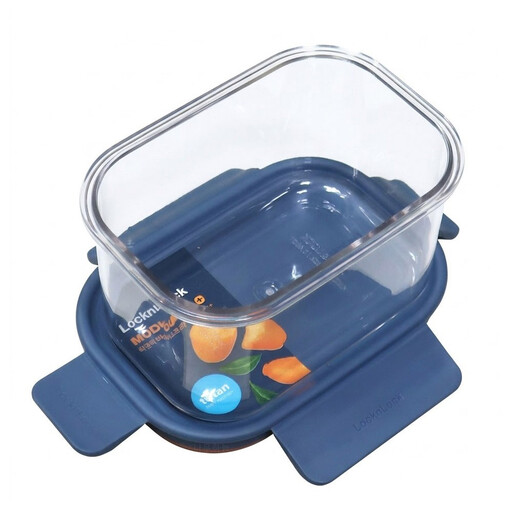
Why it suits this type of user : With its 450 ml capacity, this compact model is ideal for individual portions, leftovers and packed meals. Its BPA-free PP plastic is lightweight and practical for everyday use.
Its four-sided fastening and cylindrical seal reduce the risk of leaks when the lid is locked correctly. Its modular format also helps keep cupboards neatly organised.
The container is stated to be suitable for the fridge, freezer, dishwasher and microwave, provided the lid is removed when reheating food.

Why it suits this type of user : Transparent and durable, borosilicate glass is ideal for anyone who wants to cook, store and reheat food in the same container, while following the manufacturer’s instructions.
The lid has a removable silicone seal and four clips. However, neither the lid nor the seal should be placed in the oven or microwave.
630 ml capacity, transparent body and stated compatibility with the oven, microwave, freezer and dishwasher.
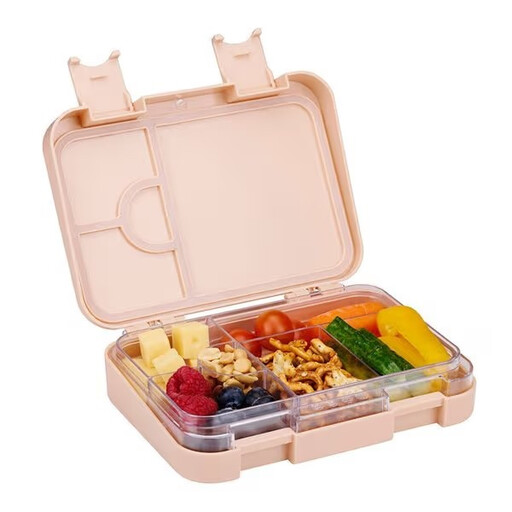
Why it suits this type of user : Its compartmentalised design is ideal for office lunches, snacks and packed meals when different foods need to be kept separate.
The six compartments stop foods from mixing. The box is not microwave-safe, and very runny preparations may spill from one compartment into another if it is overfilled.
Dimensions of 21 × 15 × 4,5 cm, six removable compartments and stated dishwasher-safe cleaning.
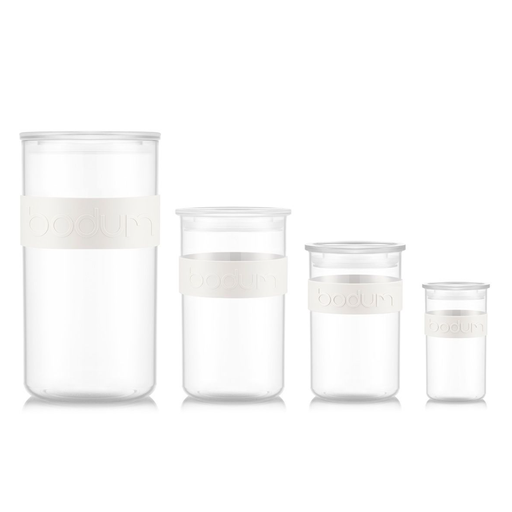
Why it suits this type of user : With 12 containers in four different capacities, this set is ideal for families and anyone who likes to keep their cupboards neatly organised.
The range of sizes means you do not need to take out a large box to store a small portion. However, check the instructions to see whether the model you choose is microwave- or dishwasher-safe.
Set comprising 4 × 250 ml boxes, 3 × 600 ml, 3 × 1 litre and 2 × 2 litres, made from stated BPA-free plastic and featuring a stackable design.
For dry foods, the Alpina 600 ml glass storage jar, fitted with an acacia wood lid, can hold spices, cereals or small quantities of ingredients. The jar should be washed by hand, while the lid should not be left to soak for long periods. For larger quantities, the Jordan&Judy set in 1,4, 2,5 and 3,8 litres is also worth considering for storing cereals, pulses and other dry goods.
We have put together a complete, real-time updated list of products that meet these demanding selection criteria and European safety regulations.
Choose a model whose freezer compatibility is clearly stated. If the food contains a lot of liquid, leave a little room at the top : its volume will increase as it freezes. Above all, do not transfer a very cold container straight into a hot oven unless the manufacturer says this is safe.
It depends on the material and the manufacturer’s instructions. A microwave-safe container should generally be used without its lid. Reheat food in short intervals, never heat an empty container and check its condition before each use.
Where possible, remove the seal and wash the lid and container separately. Dry every part thoroughly before reassembling them. Avoid unauthorised temperatures, abrasive cleaning products and using a container that is cracked or misshapen. Its lifespan will then depend on how often it is washed and whether you follow the instructions specific to each model.