
Livraison le jour même ou le lendemain

Qualité garantie

Débloquez vos offres de bienvenue: Livraison GRATUITE | Jusqu'à -80 % | 30 jours d'essai gratuits à JoyPlus
Téléchargez l'application
Airtight food storage containers offer better protection for dry foods, leftovers and prepared meals. But an attractive lid or promise of freshness is not enough to guarantee the right purchase. Poorly matched sizes, seals that are tricky to clean, materials that are unsuitable for certain temperatures… Small details can quickly turn convenient storage into a source of waste.
Here are the criteria to consider before choosing your kitchen storage jars, along with a selection of containers suited to different everyday uses.
A lid that simply rests on top protects against dust, but not necessarily against moisture or odours. To store flour, rice or cereal, choose a seal with a silicone gasket or a clip system that is explicitly described as airtight.
Also check whether the seal can be removed. If it remains attached to the lid, crumbs and other residue can build up around it, making cleaning much less convenient.
Stackable containers help you make the most of vertical space, provided they fit on your shelves. A large jar can also become particularly heavy once filled with flour or rice.
Before ordering, measure:
Not every food container can go in the fridge, freezer, oven or microwave. The Bodum plastic boxes featured here are not designed for use in the microwave, oven or freezer, or for hot liquids above 60 °C. The Ovenglass borosilicate glass model is suitable for the fridge, freezer and microwave, provided you remove the lid before reheating the contents.
So, the term ‘heat-resistant’ does not mean ‘compatible with every heat source’.
Glass food containers let you see their contents at a glance, generally resist odours well and sit neatly on a worktop. However, they are heavier, and a fall or thermal shock can damage them.
BPA-free plastic is lighter and often more practical for families or large quantities. Nevertheless, check the permitted uses, heat resistance and dishwasher compatibility. For any product intended for food contact, consult the relevant compliance information for the European Union and the manufacturer’s care instructions.
Jars with wooden lids add a warm touch to the kitchen. However, wood requires hand washing and careful drying. An acacia lid should not be left submerged for long or placed in the dishwasher if the manufacturer prohibits it.
A capacity of 500 to 750 ml is suitable for nuts, dried fruit, coffee or small quantities of pasta. Sizes from 1 to 1.2 litres are better suited to sugar, rice and cereal. For families or bulk purchases, a container of 2 litres or more reduces the number of refills needed.
Rectangular shapes make efficient use of fridge space and are well suited to airtight lunch boxes. Cylindrical jars are often easier to arrange on a worktop, but can leave wasted gaps in drawers.
A container that is easy to clean is more likely to be used for a long time. In particular, check whether:
For dry foods, allow preparations to cool completely before closing the box. For meals, avoid filling the container to the brim and check the condition of the seal regularly.
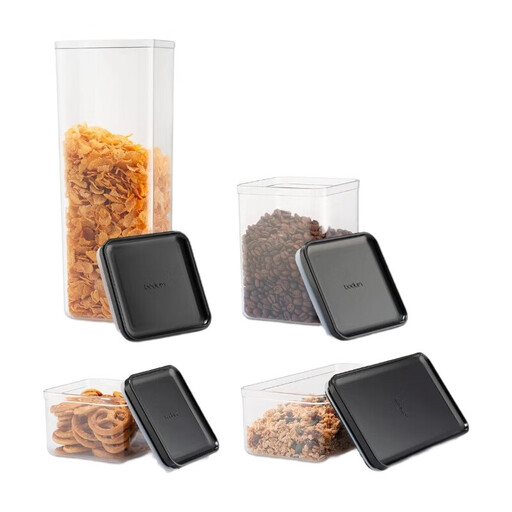
Why it’s a good choice: A compact set for starting to organise pasta, cereal, snacks or dry foods without having to buy lots of separate containers.
The four stated sizes make it easier to compare capacities before buying, while the airtight lids prevent unreliable closures.
Transparent BPA-free plastic, as stated, sizes of 17, 34, 40 and 88 oz, with dishwasher-safe components according to the product details.
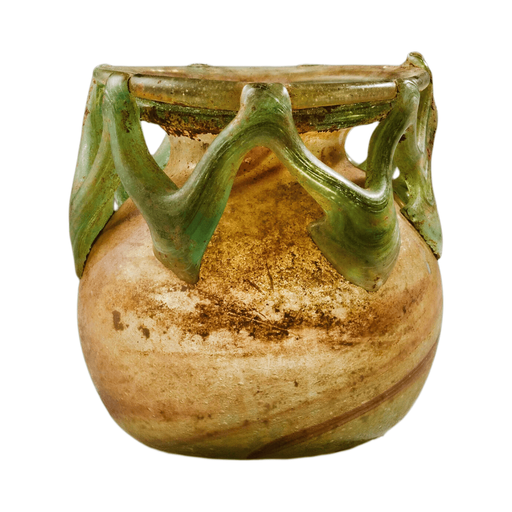
Why it’s a good choice: With its hammered glass, amphora-inspired handles and acacia lid, it fits beautifully into a kitchen where storage jars are meant to be seen.
The 750 ml capacity is clearly stated. The lid has a silicone seal, but its wooden section must be cared for by hand.
Borosilicate glass, acacia lid and dishwasher-safe body. The lid should not be left submerged for long.

Why it’s a good choice: Its rectangular shape and generous capacity are ideal for family meals, leftovers and preparing several portions at once.
The permitted uses are clearly detailed: fridge, freezer and microwave, with the lid removed. It is not suitable for a hob or conventional oven.
2-litre borosilicate glass, removable seal, dimensions of 25.4 × 19.4 × 8.7 cm and dishwasher-safe, as stated.
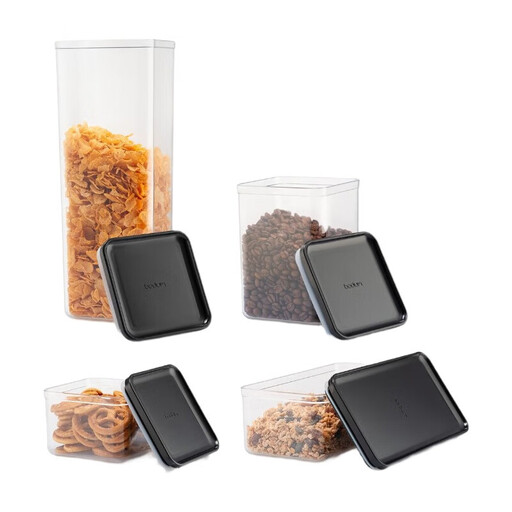
Why it’s a good choice: For organising an entire pantry, this set includes 12 jars spread across four capacities.
The 0.5, 1, 1.2 and 2.6-litre sizes make it easier to organise different quantities. The recessed lids are designed for stacking, provided the jars are placed on a stable base.
12 BPA-free plastic pieces, as stated, transparent bodies, airtight lids and dishwasher washing mentioned.
We’ve put together an updated selection of products that meet these criteria, helping you organise food for everyday life.
Wash each jar before using it for the first time, then dry it completely before filling it. Label dry foods with their name and opening date. For sugar, flour and cereal, avoid mixing a new portion with an old one without cleaning the container first.
Never close a jar containing food that is still hot, unless the manufacturer explicitly permits it. Inspect seals, lids and glass surfaces regularly. A crack, deformation or damaged seal means the affected part should be replaced.
For spice jars, choose smaller capacities and an opening wide enough to make filling easy. For lunch boxes, check the seal after filling them and handle glass containers carefully during transport.
Yes, provided they have a suitable seal and the lid is closed correctly. They can hold rice, pasta, pulses, flour, sugar, cereal, dried fruit and biscuits. The container must be clean and completely dry to minimise moisture-related risks.
It depends on the material, how often it is used and the condition of the seal. A container without cracks can remain usable for many years, but the lid or silicone seal may need replacing before the container itself. Follow the manufacturer’s recommendations and stop using any damaged part.
Glass is more resistant to certain odours and often allows you to reheat the contents when the model permits it. Plastic, on the other hand, is lighter and more convenient to carry. The right choice therefore depends on the distance you need to travel, the weight you are prepared to carry and the temperatures permitted by the manufacturer.