
Livraison le jour même ou le lendemain

Qualité garantie

Débloquez vos offres de bienvenue: Livraison GRATUITE | Jusqu'à -80 % | 30 jours d'essai gratuits à JoyPlus
Téléchargez l'application
Finding the perfect airtight food storage container can often feel like an uphill battle. Between promises of a perfect seal and a bewildering array of materials, who hasn't ended up with cupboards full of containers that leak, stain, or warp after just a few weeks? To help you avoid this frustration, let's review the common pitfalls.
The first pitfall is the "airtight" promise, which isn't always delivered. A simple clip-on lid doesn't guarantee a leak-proof seal, especially with liquids. Also, be wary of compatibility claims (microwave, freezer): these statements often hide significant restrictions, like a lid that should never be heated or plastic that becomes brittle in the cold. Finally, the material's durability is a critical factor: poor-quality plastic can quickly stain, retain odours, and even crack, making your investment worthless.
To make an informed choice, it's essential to focus on a few technical features that make all the difference in daily use.
The key to a perfect seal isn't just the lid, but the winning combination of the locking mechanism and the gasket.
The material of your container directly impacts its durability, your health, and its everyday usability.
A good storage container should adapt to your lifestyle. Always check the pictograms and manufacturer's instructions for these three key uses:
To help you see how these criteria apply in practice, here are a few options suited for different needs.
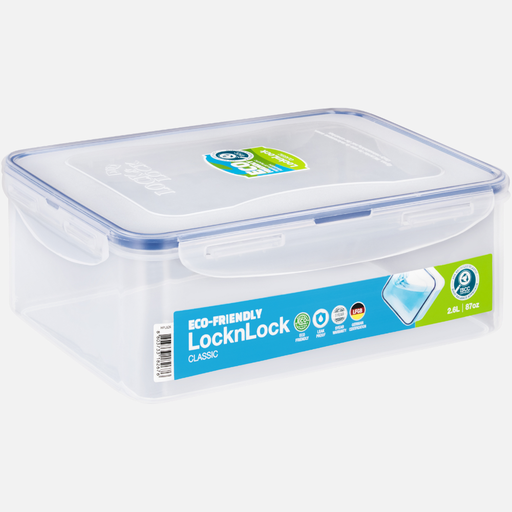
Why it fits the bill: With its large 2.6-litre capacity, this rectangular food container is perfect for storing leftovers from a family meal, marinating meats, or holding large batches of soup for meal prep.
Its four-sided locking system and hollow-core silicone gasket ensure a complete seal, avoiding the trap of supposedly airtight containers that leak during transport.
Lightweight yet durable polypropylene construction, BPA-free. Refrigerator, freezer, and dishwasher safe for simplified daily use.
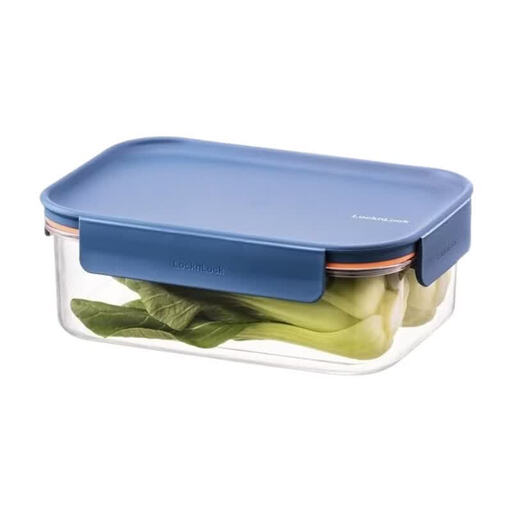
Why it fits the bill: Its 910 ml size is ideal for a single-serving bento box or lunch box. Its modular design allows you to stack multiple containers securely, optimising space in your fridge or work bag.
Made from Tritan plastic, it resists stains and odours (like those from tomato sauce or curry), a common problem with lower-quality plastics. Its stackable design solves the headache of mismatched, non-nesting containers.
Stackable, modular design for maximum space-saving. Durable and stylish Tritan material that stays crystal-clear over time.
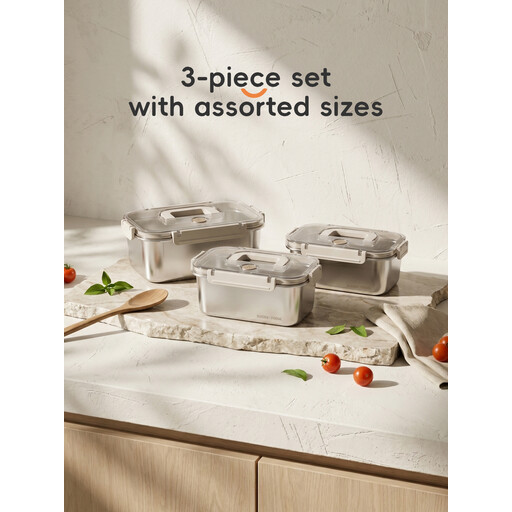
Why it fits the bill: Ideal for those seeking a plastic-free alternative. This set of stainless steel containers is perfect for storing food in the fridge or freezer without any risk of leaching chemicals or retaining odours.
By using 304 stainless steel, it completely eliminates concerns associated with plastics (BPA, stains, odours). It's an inert and robust material that won't degrade over time.
Healthy, durable, and easy-to-clean material. The set of three different sizes offers great versatility for organising leftovers, fruit, or a complete meal.
Find our complete selection of products that meet our quality criteria and current safety standards.
Yes, but with precautions. Only the body of the container, if made of plastic (PP or Tritan) or glass, is generally compatible. It is imperative to remove the lid before placing it in the microwave. Stainless steel should never be put in a microwave. Always consult the manufacturer's instructions.
For a deep clean, gently remove the silicone gasket from the lid. Wash it by hand with warm, soapy water, using a small brush if necessary to get into the grooves. Make sure both the gasket and the lid's channel are completely dry before putting it back in place.
Polypropylene (PP) is a very common plastic that is opaque or translucent, lightweight, and budget-friendly. It's reliable for general use but may eventually stain or retain odours from strongly coloured or scented foods. Tritan is a newer copolyester plastic that is perfectly transparent (like glass) and highly resistant to impacts, stains, and odours. It is considered a more durable and premium option, but it is also more expensive. Both are generally guaranteed to be BPA-free.