
Same-day & Next-day Delivery

Quality Guaranteed

Unlock Your Welcome Offers: FREE Delivery | Up to 80% OFF | Free 30-day JoyPlus trial
Download the APP
A packet of biscuits gone soft, pasta that has absorbed moisture, or worse, pantry moths colonising your flour… These minor daily disasters often have the same culprit: a faulty storage solution. The market is flooded with promises, but choosing the right airtight food storage container is far more complex than it seems.
As the Head of Product Recommendations at Joybuy, my mission is to help you cut through the noise. Let's skip the marketing jargon and get straight to the point. Here are the three most common pitfalls that render a storage container useless after just a few months, and more importantly, how to avoid them.
To make an informed choice, you need to focus on a few technical details that make all the difference in daily use.
A container's entire effectiveness rests on its closing system. The most reliable options generally combine two elements:
Each material has its strengths and weaknesses. Your choice will depend on your intended use.
For a pantry organizer that truly works, form is as important as function. A stackable food container with straight sides and a flat lid allows you to utilise every square inch of your shelves. A set of storage containers in different sizes but with a unified design creates visual harmony and highly appreciated modularity.
Rather than searching for a one-size-fits-all container, it's better to find the one that perfectly matches your lifestyle.
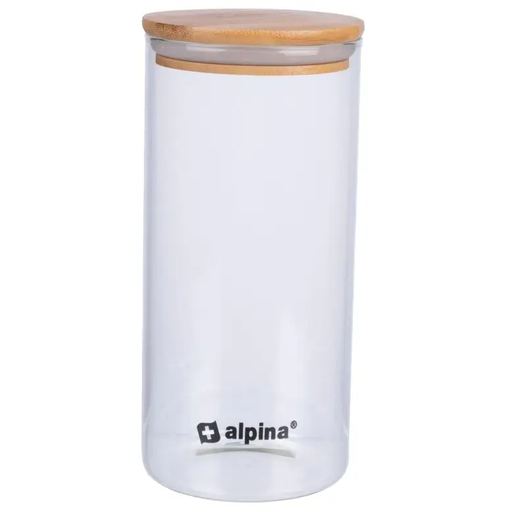
Why we chose it: Ideal for those who love to showcase their ingredients on open shelves. This jar combines the elegance of a bamboo lid with the practicality of a transparent container for storing dry goods like pasta, rice, or legumes.
It sidesteps the counter-productive design trap by becoming a decorative object in its own right. Its airtight lid is perfectly suited for preserving dry goods, avoiding the airtightness illusion for this specific use.
Its modern, minimalist design highlights the contents and fits perfectly into a contemporary kitchen. The 1.25 L capacity is highly versatile.
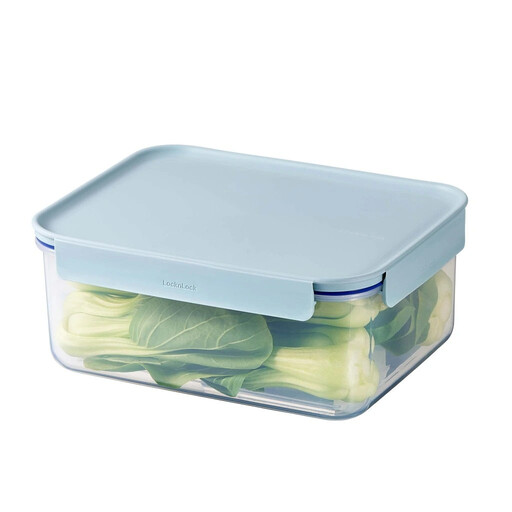
Why we chose it: For fans of *batch cooking* or those who always save leftovers. The reliability of the locking system is paramount to prevent disasters in your lunch bag or fridge.
It tackles the false airtightness pitfall head-on with its patented four-clip locking system and silicone gasket. Made from BPA-free polypropylene, it also eliminates the risk associated with questionable materials.
Its key strength: versatility. It's safe for the fridge, freezer, microwave (without the lid), and dishwasher. Its stackable design optimises storage.
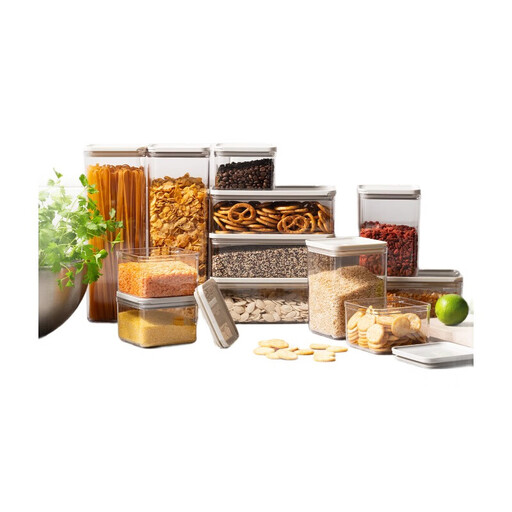
Why we chose it: Perfect for those who want to start from scratch and create a unified storage system. This comprehensive set offers various sizes to store everything from spices to flour in a consistent and optimised way.
It solves the puzzle of counter-productive design by offering a set of storage containers designed from the outset to be stacked. The airtight lids with silicone gaskets ensure reliable preservation for all dry foods.
The decisive advantage: modularity. With four different sizes, this set allows you to create a custom, visually harmonious pantry organizer that optimises vertical space.
We have compiled a complete selection of products that meet our demanding criteria and current standards.
The foolproof test: fill the container with water, close it properly, then shake it and turn it upside down. If not a single drop escapes, the seal and locking system are up to the task. For dry foods, time is the best judge: if your biscuits are still crisp after several weeks, you've got a winner.
Yes, the "BPA-free" label means the plastic was manufactured without Bisphenol A. These products must comply with strict European standards (like EU Regulation No. 10/2011) for materials intended for food contact, which guarantees their safety for this purpose.
No, it's crucial to always check the pictograms on the product or its packaging. Glass is generally compatible, but its lid often is not (if it contains metal or wood). For plastic, only models marked "microwave-safe" can be used, and it is almost always recommended to remove or vent the lid to allow steam to escape.