
Livraison le jour même ou le lendemain

Qualité garantie

Débloquez vos offres de bienvenue: Livraison GRATUITE | Jusqu'à -80 % | 30 jours d'essai gratuits à JoyPlus
Téléchargez l'application
Finding the perfect airtight food container can be a real headache. Between marketing promises and the reality of daily use, we often end up with cupboards full of disappointing containers that leak or stain. As the Head of Product Curation at Joybuy, my mission is to help you navigate the options and make a smart, sustainable choice that truly fits your lifestyle.
Before you start shopping, here are the three common pitfalls to avoid so you won't regret your purchase:
To avoid these setbacks, focus on a few key points that make all the difference.
The choice of material is crucial and depends on how you plan to use it.
The effectiveness of an airtight food container rests entirely on its lid. The most reliable systems combine robust locking clips on all four sides with a removable silicone gasket. The gasket ensures uniform pressure and a flawless seal. The fact that it's removable is a game-changing feature: it allows for deep cleaning to hunt down residue and prevent mould growth, guaranteeing impeccable, long-term hygiene.
Always check the manufacturer's pictograms. A good microwave-safe food container should always be used without its lid to allow steam to escape. For the freezer, make sure the material is designed to withstand low temperatures without becoming brittle. It's this versatility that transforms a simple container into an indispensable ally for your kitchen organisation.
Rather than an endless list, here is a curated selection of products that check all the boxes, tailored to specific user profiles.

Why we chose it: Ideal for those who prioritise hygiene and durability. This glass dish lets you cook, store, reheat, and even serve at the table—all without switching containers and while ensuring healthy food storage.
Its borosilicate glass body is non-porous: goodbye to stains and lingering odours. Its resistance to thermal shock (up to 200°C according to the manufacturer) makes it ultra-versatile.
The hygiene and neutrality of glass; total versatility (freezer, fridge, oven, and microwave safe without the lid).
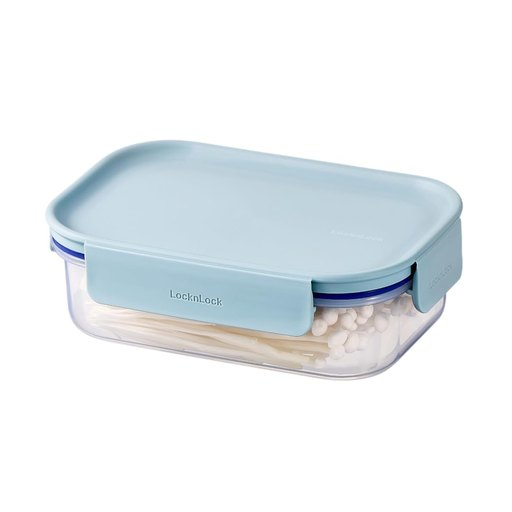
Why we chose it: Perfect for those who prep their lunches in advance. Its lightweight design makes it a champion for transport, and its stackable body optimises space in the fridge and your bag.
Made from high-quality, BPA-free food-grade plastic, it's a solution that is both safe and durable. Its locking system is designed to stand the test of time, avoiding the trap of warping lids.
Lightweight for transport, stackable for optimised storage, and an ideal size for individual portions.
Why we chose it: Its generous 2-litre capacity is perfect for storing leftovers from a family meal, marinating large cuts of meat, or storing soups and stews prepared in advance.
By offering a large volume in a single, robust container, it saves you from accumulating multiple small, low-quality boxes. The durable glass and reliable seal perfectly preserve food freshness, even for large quantities.
Generous 2-litre capacity, perfect for family-sized dishes and *batch cooking*.
We have put together a complete selection of products that meet our demanding specifications for quality and safety.
It all depends on your priorities. For transport, BPA-free plastic is unbeatable for its lightness and sturdiness. For storing at home and reheating, borosilicate glass is preferred for its hygiene and durability: it doesn't stain or retain any odours. The ideal solution? A combination of both: glass containers for home use, and a few high-quality plastic models for your on-the-go meals.
For a lasting seal and perfect hygiene, remember to remove the silicone gasket from the lid at least once a week (or after every use with greasy or strong-smelling foods). Wash it by hand with warm, soapy water, then let it air dry completely before putting it back. This is the best way to prevent residue buildup and mould growth.
Caution is key. Only borosilicate glass containers are designed to handle significant thermal shock, but even with these, it's best to avoid extreme and sudden temperature changes. The golden rule: let the dish thaw for a few hours in the refrigerator or a few minutes at room temperature before microwaving it (always without the lid). Never put a frozen plastic container directly in the microwave, as the plastic could become brittle or warp.