
Same-day & Next-day Delivery

Quality Guaranteed

Unlock Your Welcome Offers: FREE Delivery | Up to 80% OFF | Free 30-day JoyPlus trial
Download the APP
Finding the perfect airtight food container? It seems simple enough. In reality, it's often an uphill battle. Lids that warp from heat, seals that lose their grip after three dishwasher cycles, plastic stained forever by tomato sauce... These setbacks, as common as they are frustrating, ultimately render the product ready for the bin.
This guide is here to help you sidestep marketing traps and spot the most common design flaws. We'll break down the essential criteria for choosing a leak-proof food container that truly lives up to its promises, whether it's for your weekly meal prep, storing leftovers, or simply organising your kitchen.
Before you pull out your credit card, keep an eye out for these two recurring problems that too often turn a promising purchase into a real disappointment.
The Myth of the 100% Leak-Proof Seal: Many brands promise a "100%" leak-proof experience. In reality, performance depends entirely on the quality of the seal (often silicone) and the locking mechanism. A seal that's too thin or poorly designed will quickly lose its elasticity, especially when exposed to hot or greasy foods. The result: the seal fails after just a few washes. The same goes for a flimsy clip system that breaks after a few months, rendering the entire container useless.
Rapid Material Degradation: Low-grade plastic is the second major pitfall. Not only does it stain permanently (think bolognese sauce or curry), but it also absorbs odours. Worse, some plastics warp in the microwave or crack in the freezer, compromising food safety and the lifespan of your meal prep container.
To avoid these disappointments, focus on the two pillars that define the quality and longevity of a good food storage container.
This is the first decision you'll need to make, and it depends entirely on how you plan to use it.
The entire effectiveness of a leak-proof food container rests on its lid. Here are two points to inspect closely:
To illustrate these criteria, here are a few models that caught our eye, suited for different needs.
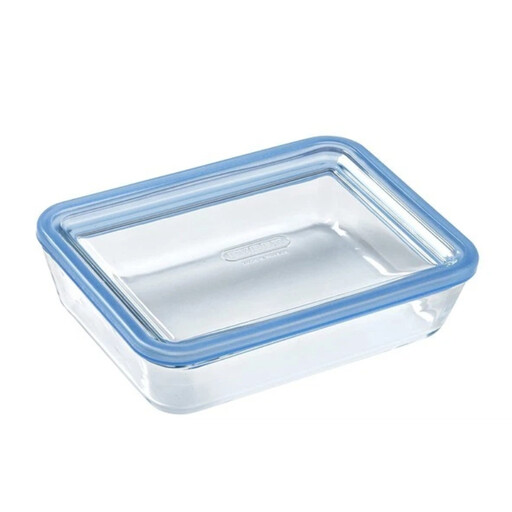
Why we chose it: Perfect for cooking, storing, reheating, and even serving all in the same dish. Its borosilicate glass design makes it a top-tier ally for heavy-duty home use, from the oven to the table.
Borosilicate glass is non-porous: it won't stain or absorb odours, unlike low-grade plastics. Its exemplary durability puts an end to the problem of rapid degradation.
Thermal Versatility: Oven, microwave, freezer, and refrigerator safe. Healthy Material: Pure glass, ensuring food integrity.
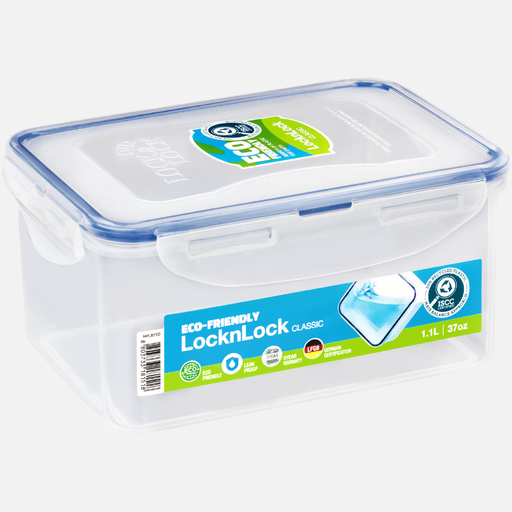
Why we chose it: The perfect partner for those who prep their meals in advance to take to the office. Its light weight and ultra-reliable locking system guarantee leak-proof transport.
Its four-clip locking system, a brand signature, and its hollow silicone seal ensure a foolproof seal. Say goodbye to the pitfall of leaks and lids that no longer close properly.
Patented Locking System: The 4-clip system is renowned for its reliability. BPA-Free Plastic: A lightweight and safe material, microwave-safe (without the lid).
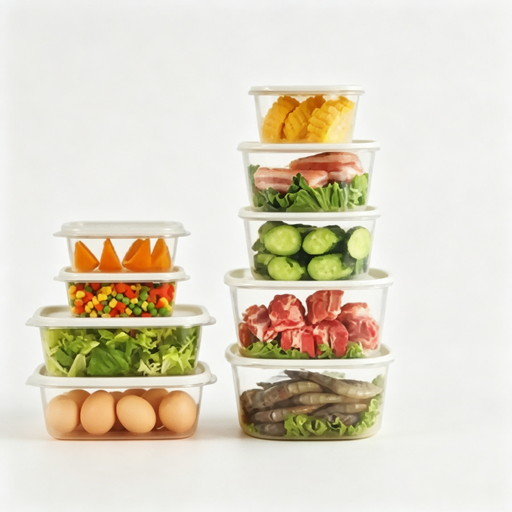
Why we chose it: This food storage container set is the all-in-one solution for families: multiple sizes for storing leftovers, packing snacks, or organising the pantry.
By offering a cohesive set where everything nests perfectly, this set ends the headache of mismatched containers and lost lids.
Value for Money: A complete set for a controlled investment. Space Optimisation: The containers are designed to nest and stack, a real space-saver in your cupboards.
Discover our full selection of products that meet our quality criteria and current safety standards.
Absolutely not! The abrupt change from cold to hot creates thermal shock, which can shatter even the most durable glass. The best practice: let your airtight glass container thaw for a few hours in the refrigerator or at room temperature before reheating it in the microwave or oven (always without its lid).
For a spotless clean, make it a habit to remove the silicone seal from the lid after each use. Wash it by hand with soapy water or place it in the top rack of the dishwasher. The crucial step: make sure the seal and the groove in the lid are completely dry before reassembling. This is the secret to preventing moisture from getting trapped and mould from growing.
Even high-quality plastics aren't immune to stubborn stains. To limit damage from tomato sauce or curry, rinse the container with cold water immediately after use (hot water tends to set the pigments). Another handy tip: wipe a thin layer of cooking oil inside the container before adding your food. The oil will act as a protective barrier.