
Livraison le jour même ou le lendemain

Qualité garantie

Débloquez vos offres de bienvenue: Livraison GRATUITE | Jusqu'à -80 % | 30 jours d'essai gratuits à JoyPlus
Téléchargez l'application
Who hasn't felt that small surge of panic when realising their keys, wallet, or bag has vanished? It's a universal anxiety. Item trackers present themselves as the miracle solution, but the market is flooded with promises that aren't always kept. Before you rush out to buy an AirTag 4-pack, it's crucial to understand the few pitfalls that can turn a practical purchase into a costly disappointment.
As the Head of Buyer's Guides at Joybuy, I'm here to help you see things more clearly. Here are the three most common traps to avoid:
To make an informed choice, price isn't everything. Three technical parameters determine a tracker's effectiveness and relevance to your daily life.
This is the number one criterion: the integration of your Apple item tracker or Android device into a vast network.
Choosing a tracker compatible with your phone's ecosystem is non-negotiable for effective long-distance tracking.
All trackers use Bluetooth for short-range location. However, more advanced models incorporate superior technology.
An Apple Bluetooth tracker with UWB offers a much richer and more precise user experience.
Before you buy AirTags or another model, analyse the long-term cost.
Rather than looking for a "one-size-fits-all" product, it's better to choose the one that matches your equipment and needs.
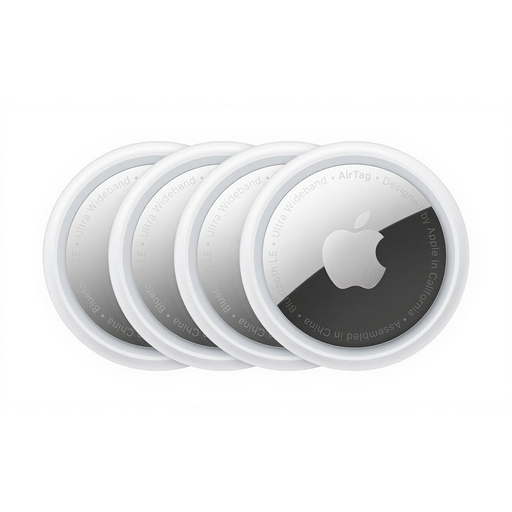
Why it's the right choice: For anyone with an iPhone or iPad, the Apple AirTag 4-pack (model MX542ZM/A) is the gold standard. Integration with the Find My app is instant and seamless, with no third-party app to install.
It completely eliminates the compatibility trap for Apple users. The replaceable CR2032 battery and lack of a subscription prevent hidden costs.
The power of the global Find My network and the Precision Finding feature with UWB technology are its greatest assets.
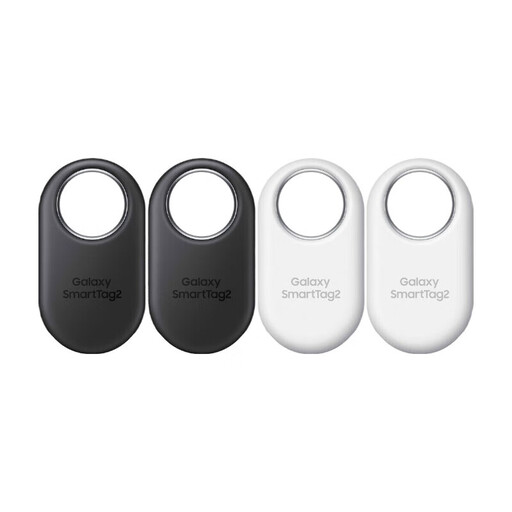
Why it's the right choice: If you use a Samsung Galaxy smartphone, the SmartTag2 is the AirTag equivalent for your ecosystem. It integrates with the SmartThings Find app for wide-area and precise location.
It solves the compatibility problem for Android users (specifically Samsung). It also has a replaceable battery and requires no subscription.
A solid alternative for the Android ecosystem, with a redesigned form factor for easier attachment to keys or bags, and improved battery life.
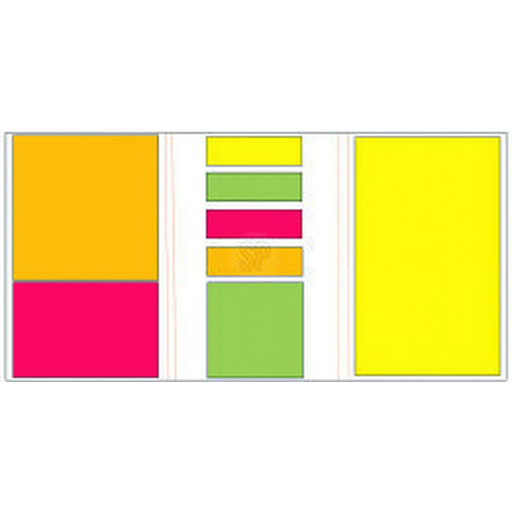
Why it's the right choice: Sometimes the best technology is no technology at all. If the goal isn't to track a moving object but to remember a task in a fixed location (desk, fridge), a non-tech solution is often more effective.
As a non-tech product, there's no risk of incompatibility, dead batteries, or hidden fees. It's simplicity itself.
An immediate, low-cost visual reminder for important tasks and information. Perfect for the shopping list or memos on a computer screen.
We have curated a complete selection of products that meet our selection criteria and current safety standards.
1. What is the battery life of an AirTag and can the battery be replaced? The AirTag's battery is a standard CR2032 lithium coin cell battery. According to Apple, it is designed to last for over a year with everyday use. It is very easy to replace yourself. Your iPhone will send you a notification when the battery level gets low.
2. Is a subscription required to use an AirTag 4-pack? No, there are absolutely no subscription fees to use AirTags. All features, including map location via the Find My network, ringing, and Lost Mode, are included at no extra cost.
3. How does tracking work if the item is far from my phone? If your AirTag is out of your iPhone's Bluetooth range, it relies on the Find My network. It sends out a secure Bluetooth signal that can be detected by nearby Apple devices (iPhone, iPad, Mac). These devices then relay your AirTag's location to iCloud anonymously and encrypted, allowing you to see it on a map, all while protecting everyone's privacy.