Travellers with a water bottle
If you can’t rely on having access to hot water, look for a blend explicitly intended for cold infusion. Check that the required volume of water and brewing time suit your bottle and your journey.


For a meal at the airport, start by choosing according to the water you’ll have available. A blend specifically intended for cold infusion is suitable for preparing in a water bottle, while a hot infusion requires access to hot water and a cup. Then check the volume and brewing time specified for your chosen blend, along with its ingredients. A pyramid-shaped tea bag is no guarantee of better flavour or a health benefit.
Where you’re eating and how you’ll prepare your drink matter far more when choosing a tea bag than its shape alone.
If you can’t rely on having access to hot water, look for a blend explicitly intended for cold infusion. Check that the required volume of water and brewing time suit your bottle and your journey.
If you can get hot water and a cup when you eat, compare the temperature, volume and brewing time specified for each hot infusion.
If certain ingredients or allergens affect your choice, read the label on the exact product. Words such as “detox” or “digestion” are no substitute for checking. Anses highlights the risks associated with consuming large amounts of liquorice repeatedly.
First decide whether you’ll prepare your drink cold in a water bottle or hot in a cup. Then check the instructions and ingredients for the product you’ve chosen.
Choose this if: you have cold water and a water bottle, and can’t rely on a hot water service while you’re eating.
Bear in mind: the Eléphant and Lipton cold-infusion products featured by Joybuy each require 500 ml of water and 5 minutes to brew. This method won’t give you a hot drink.
Choose this if: you can get hot water and a cup where you’re having your meal.
Bear in mind: preparation depends on having access to hot water. Instructions vary by product: Carrefour says to brew Eléphant Organic Detox infusion for 4 to 5 minutes in 200 ml of hot water.
| What to consider | What to check | Who is it for? |
|---|---|---|
| Preparing without hot water | The “cold infusion” label, and the water volume and brewing time specified for the product. | Without hot water available at mealtimes, I want to prepare my drink in a water bottle. Around 44% of consumers rank this independence as their top priority. |
| A hot drink after a meal | The temperature, water volume and brewing time shown on the box. | With a cup and hot water available, I prefer a hot infusion after eating; this is the top priority for around 33% of consumers. |
| Ingredients and product claims | The ingredients list, allergens and whether the product contains liquorice. Don’t assume a recipe has a health benefit based on its name. | Before choosing a flavoured blend, I mainly want to know what’s in it and avoid relying on a “wellness” promise. Around 23% of consumers prioritise this check. |
The shape describes the tea bag, not the flavour of the drink or any health benefit. The product also needs to suit the water and brewing time available to you.
Compare the instructions and ingredients before choosing a product for its shape or a “wellness” claim.
A tea bag intended for hot water won’t be very practical if you can’t get hot water and a cup where you’re eating.
Before buying, check what preparation options are available on the spot. If hot water isn’t an option, look for a product whose label explicitly says it can be cold-infused.
Flavoured blends may contain ingredients you need to take into account. Anses links high, repeated consumption of liquorice to health risks, including high blood pressure and low potassium levels.
Read the ingredients and instructions on the exact box. If you have concerns about an ingredient in light of your health or medication, ask a healthcare professional for advice.
France’s transport ministries point out that airlines may impose additional restrictions on items you carry.
Check your airline’s guidance for every stage of your journey, especially if you have a connecting flight.
These brands and this retailer offer products you can compare by recipe and preparation method. Their inclusion here doesn’t mean that all their tea bags are pyramid-shaped.
Teas, rooibos and infusions, including products in boxes of 20 tea bags. Worth comparing if you’re looking for a blend to prepare hot.
The range includes hot infusions as well as products intended for cold infusion. Follow the method specified for the particular blend.
Carrefour’s infusion range lets you compare own-brand recipes and other brands using their product pages.
These products offer two ways to prepare an infusion while travelling: cold in a container, or hot if you have access to hot water and a cup. Choose a blend and follow the instructions on its own packaging.
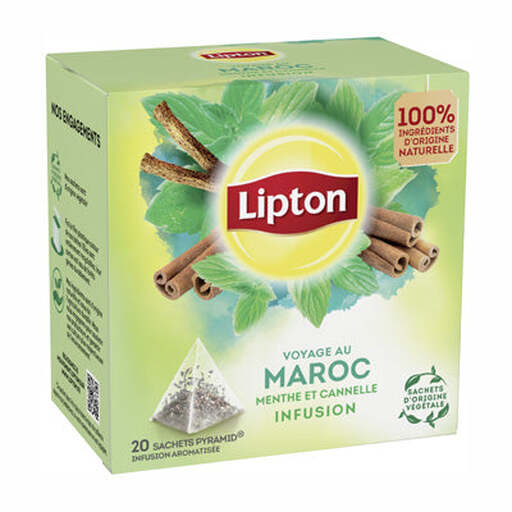 Image unavailable
Worth considering if you can prepare a hot infusion while you’re eating. Check the ingredients list for this product, particularly if the presence of liquorice affects your choice.
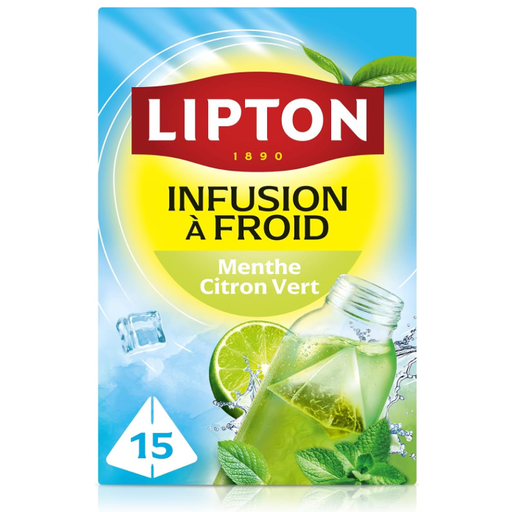 Image unavailable
Consider this if you’d like to prepare your infusion with cold water in a container. Make sure you can follow the water volume and brewing time specified for this product; it’s not suitable if you want a hot drink.
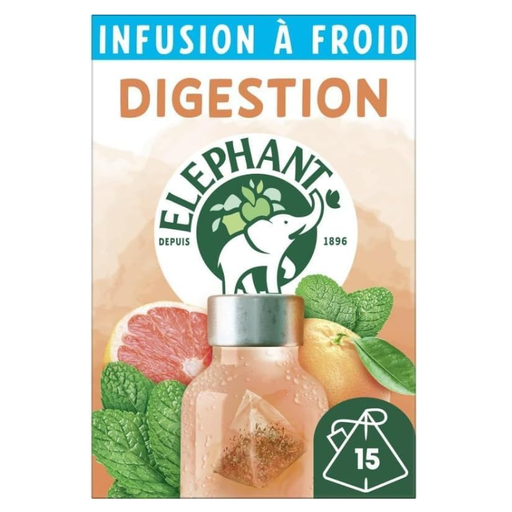 Image unavailable
Another product to consider for cold preparation when access to hot water is uncertain. Compare its ingredients and instructions with those of other blends. “Digestion” is part of the product name and doesn’t guarantee a health benefit.
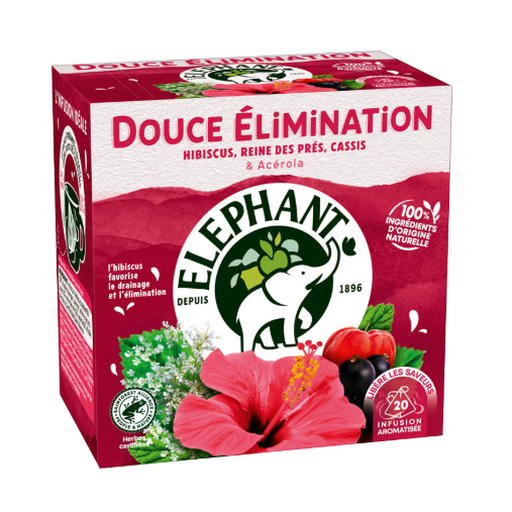 Image unavailable
Worth considering if you have access to hot water and a cup. Read the ingredients and brewing instructions for the product you choose. The words in its name don’t promise a health benefit.
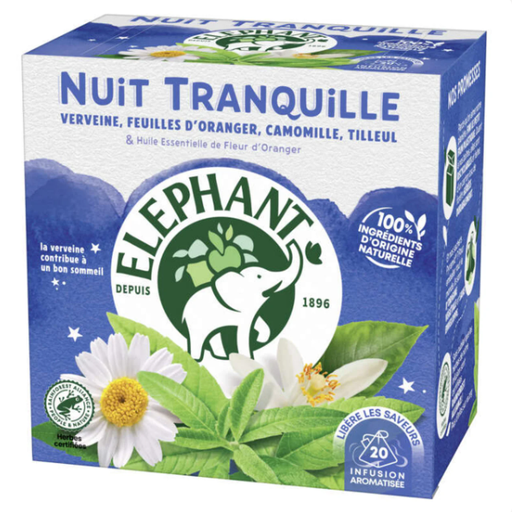 Image unavailable
Consider this for a hot infusion if you can prepare it on the spot. Check the label for the ingredients and any dietary details that matter to you. The name of the blend alone isn’t enough to establish them.
No: don’t choose a “detox” infusion as a remedy. Instead, compare its flavour, ingredients and preparation method. The DGCCRF explains that health claims about food are regulated; a recipe’s commercial name doesn’t guarantee a personal benefit.
Liquorice is worth paying particular attention to if you drink the blend regularly. Anses warns that consuming large amounts of liquorice-containing products repeatedly can lead to low potassium levels and high blood pressure. Check the ingredients on the exact box and seek medical advice if your circumstances call for it.
No, not necessarily: the DGCCRF says that herbal and fruit infusions, as well as tea, may be exempt from nutrition labelling requirements. When choosing between two blends, also check the ingredients list, allergens and preparation instructions.