Travellers comparing plant-based protein
If protein matters for your meal, check the nutrition information on the pack you choose and the portion you plan to take, rather than relying on the general ‘nuts’ category.


When choosing nuts for a meal at the airport where protein matters, compare plain almonds and nut mixes using the protein figures per 100 g and per serving, rather than relying on the label ‘nuts’. Check the ingredients and allergen information too, then choose an amount that’s easy to take with you. Travel conditions depend on factors including the airline and your route.
If protein matters for your meal, check the nutrition information on the pack you choose and the portion you plan to take, rather than relying on the general ‘nuts’ category.
A dry, compact product can be handy to slip into your hand luggage. However, check your airline’s conditions and, if necessary, those for your connections and destination too.
Whether you’re choosing plain almonds or a mix, check the ingredients list, nutrition information and allergen declaration for the exact product before you buy.
Start with the ingredients and protein figures, then choose a pack that suits the amount you want to take with you.
| Criteria | What to check | Who is it for? |
|---|---|---|
| Protein figures | Protein per 100 g and per serving, as well as the ingredients in the exact product. | If protein is my priority for this meal, I want to compare the amount with what I’ll actually eat. Around 36% of consumers put this need first. |
| Cabin travel | The pack size and your airline’s baggage conditions; for an international journey, check the destination’s rules too. | When travelling with hand luggage, I want a portion that’s easy to pack. Ease of transport comes before other criteria for around 29% of consumers. |
| Ingredients in the mix | The ingredients list, whether it says ‘no added salt’ if that matters to you, and the sugar and salt per serving. | When choosing between several mixes, I want to know what they contain before making a decision, especially if they combine nuts and dried fruit. Around 21% of consumers prioritise checking the ingredients. |
| Portions to prepare | How much to take and the storage instructions after opening. | If I’m preparing several snacks before setting off, I’d rather divide up a large pack than carry it all. This is the top priority for around 14% of consumers. |
Products in this category include everything from almonds to mixes containing dried fruit. The name alone doesn’t tell you how much protein you’ll get from the portion you choose.
Compare the protein figures in the nutrition information and read the ingredients list on each pack.
A pack intended for several servings can be bulky if you’ll only use some of it during your journey.
Before you set off, prepare the amount you want in a suitable food container and follow the product’s storage instructions.
According to government transport departments, an airline may impose stricter conditions than the general regulations. Health and customs rules need to be checked separately.
Check the conditions for your ticket, connections and destination country before packing.
Ingredients vary by product: Carrefour’s listing for Seeberger almonds explicitly names almonds as an ingredient.
Read the ingredients and allergen declaration on the exact pack, especially if the meal is for someone with an allergy.
Carrefour sells, among other products, a 200 g pack of plain Spanish almonds under this brand.
Carrefour lists a 500 g pack of plain blanched Seeberger almonds.
A partner seller on Carrefour offers a 1 kg pack of plain organic blanched almonds.
Daco Bello mixes appear in Carrefour’s search results.
Carrefour lists a 200 g pack of whole Jardin BiO étic almonds.
This 30 g pack of flavoured almonds is a compact snack to consider for your journey. To see how it fits into a meal where protein matters, compare the nutrition information on the pack with that of other products.
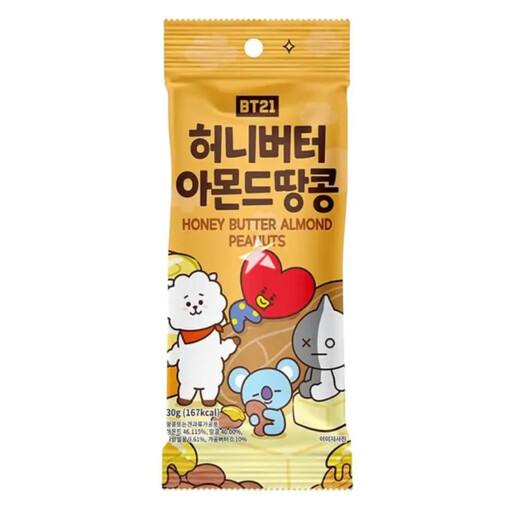 Image unavailable
The 30 g pack could be a good choice if you’d like to take a small portion of flavoured almonds rather than a large pack of plain almonds.
Before choosing it for a protein-focused meal, check the figures per serving, ingredients and allergens on the pack. If you plan to keep the pack after opening, check how it can be resealed too.
Check the protein per 100 g, then the amount in the portion you’ll actually eat. Check the ingredients list too: a mix may contain both nuts and dried fruit, and its name alone doesn’t tell you what’s in it.
Check the conditions for your journey before setting off. Government transport departments explain that airlines may be stricter than the general regulations, and that health and customs rules must be checked separately, particularly depending on your destination.
Don’t assume the rules are the same: drinks and spreadable products need to be checked against the relevant liquids regulations. Paris Aéroport states that liquids carried in cabin baggage when departing from Paris airports are limited to 100 ml. Check the rules for your airport and journey.
Check the ingredients and allergen declaration on the exact pack, rather than relying on how the mix looks or on the brand name. For example, Carrefour’s listing for Seeberger almonds names almonds as an ingredient.
Follow the storage instructions for the product you choose. For its plain blanched almonds, Seeberger’s listing on Carrefour recommends storing them away from heat and moisture. Check the pack’s instructions if you’re dividing the almonds into portions.