Travellers looking for a low-fat bar
If this claim is your deciding factor, check the fat content per 100 g. For solid food, the European Commission sets the maximum permitted for a “low fat” claim at 3 g per 100 g.


For a snack to take with you to the airport, don’t choose a chocolate bar based solely on the words “reduced fat”: according to the European Commission, the “low fat” claim requires a maximum of 3 g of fat per 100 g of solid food. Also compare sugars and saturated fats per 100 g, then check allergens, packaging and your airline’s baggage rules. All the Joybuy products featured below exceed this limit. You can compare them as standard chocolate bars, but they don’t meet the criteria if you’re specifically looking for a low-fat option.
If this claim is your deciding factor, check the fat content per 100 g. For solid food, the European Commission sets the maximum permitted for a “low fat” claim at 3 g per 100 g.
A portion that’s easy to slip into your bag may be more useful than a large pack. Check the bar’s packaging and your airline’s limits on baggage weight, size and contents, as Paris Aéroport advises.
The nutrition table lets you compare sugars per 100 g, while the ingredients list and allergen information help you check the exact product. For example, Carrefour’s listing for Mars Protein flags several allergens and possible traces.
Start with the factor that really determines your purchase: a specific nutrition claim, ease of carrying, ingredients or whether you can get the size you want before you leave.
| Criteria | What to check | Who is it for? |
|---|---|---|
| Low fat content | Check the fat content per 100 g: according to the European Commission, the “low fat” claim requires a maximum of 3 g per 100 g of solid food. | If I’m specifically looking for a low-fat bar, simply comparing it with a fattier bar isn’t enough. Around 37% of consumers put this verifiable claim at the top of their requirements. |
| Taking it into the cabin | Check the portion packaging and your airline’s rules on baggage weight, size and contents. | If I want to take a snack with me before boarding, I need to know how much room a portion will take up in my bag. Ease of carrying is the main concern for around 27% of consumers. |
| Sugars and allergens | Compare sugars and saturated fats per 100 g; check the ingredients, allergens and “may contain” statements for the exact product. | If I need to keep an eye on sugars or avoid an ingredient, the bar’s name doesn’t tell me everything I need to know. Checking the ingredients takes priority over other criteria for around 18% of consumers. |
| Pack size and availability | Check the number of portions and availability at your chosen shop or collection point before you travel. | When departure is approaching, what I need most is to find a pack with the right number of portions in time. This is the top priority for around 18% of consumers. |
A bar may contain less fat than another bar and still exceed the limit for the “low fat” claim.
For a solid bar, check the “fat” figure per 100 g: the European Commission sets the limit at 3 g per 100 g.
The European Commission says that front-of-pack nutrition labelling is voluntary. Whether or not a Nutri-Score is shown, you should still check the detailed information.
If one is displayed, consider it alongside the nutrition table and ingredients list. In particular, compare fat, saturated fats, sugars and salt per 100 g.
Carrefour’s listing for Mars Protein includes milk, soya, egg and gluten-containing barley, as well as possible traces of other ingredients.
If you need to avoid an allergen, check the information on the packaging of the exact variant you’re buying.
E.Leclerc’s listing for the P’TIT DELI bar advises customers to check availability with their chosen store. So if you’re planning to buy it just before you leave, you may need to make alternative arrangements.
Confirm availability and packaging with your chosen shop or collection service before you set off.
The range includes standard chocolate bars; Carrefour also lists a 50 g Mars Protein bar.
Twix is a bar combining biscuit, caramel and a milk chocolate coating.
This E.Leclerc brand offers, among other things, biscuit bars filled with milk.
These products are standard chocolate bars, available as individual portions or multipacks, for a snack on the go. The fat content listed below exceeds the threshold for the “low fat” claim, so your choice comes down to pack size, ingredients and nutritional values to compare—not whether they meet that claim.
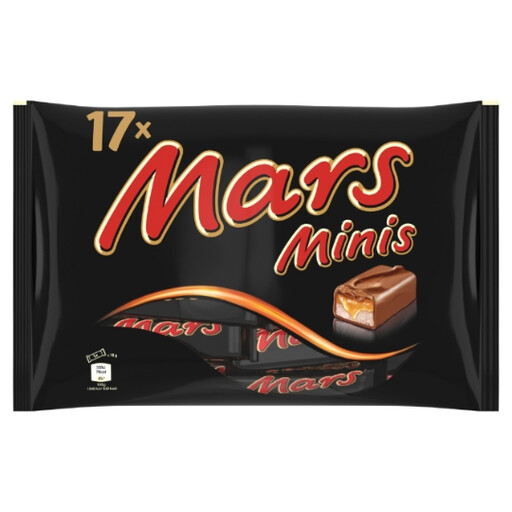 Image unavailable
This bag is a good option if you’d like to spread several small portions across your journey: the description says it contains around 17 individually wrapped mini bars.
The listing gives a fat content of 15 g per 100 g, above the limit for the “low fat” claim. It lists milk, soya, barley and egg white, as well as possible traces of peanuts and nuts. Check the packaging if these ingredients are a concern for you.
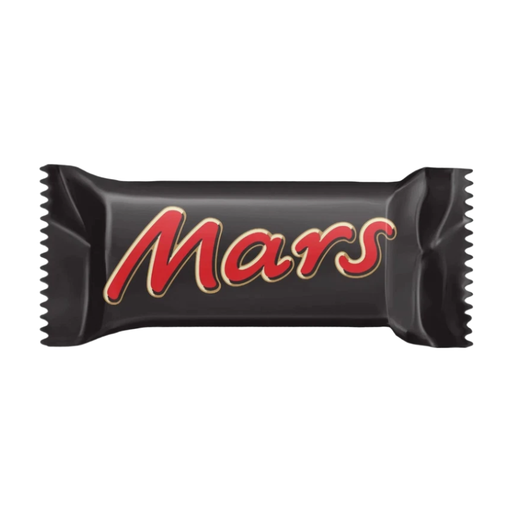 Image unavailable
The single 51 g bar lets you take one portion with you instead of a bag containing several bars.
The listing gives a fat content of 16 g per 100 g, so this product doesn’t meet the limit for the “low fat” claim. It lists milk, soya, barley and egg, as well as possible traces of peanuts and nuts. Check the information on the exact packaging.
 Image unavailable
This pack of three 50 g bars is worth considering if you need several portions. Check how each bar is wrapped if you want to carry them separately.
The listing gives a fat content of 28 g per 100 g, above the limit for the “low fat” claim. Its ingredients include milk, almonds, soya and egg white.
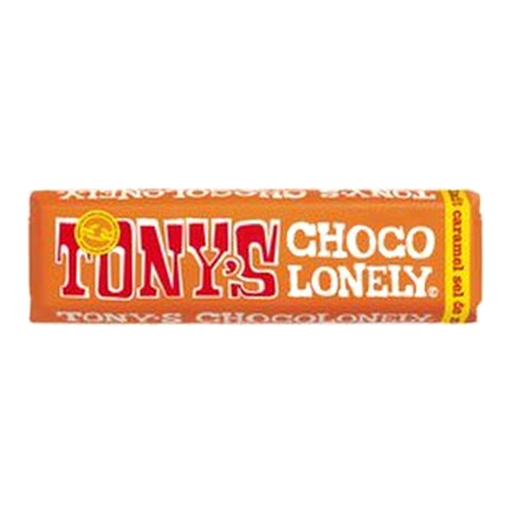 Image unavailable
This 47 g bar is another size to compare for a snack. Check its packaging if you need to carry it separately.
The listing gives a fat content of 31,25 g per 100 g, above the limit for the “low fat” claim. It lists milk and soya, with possible traces of gluten, egg and nuts.
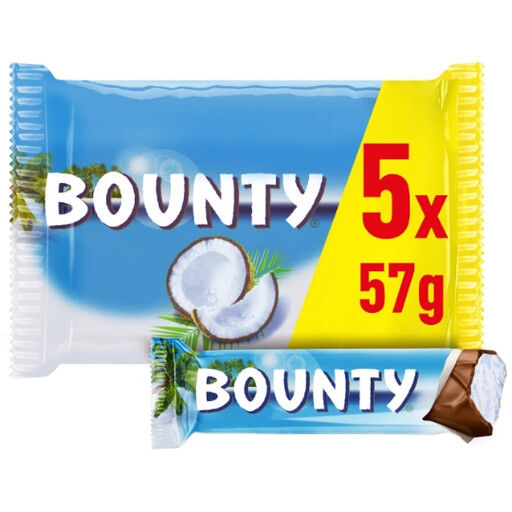 Image unavailable
This pack of five bars may suit you if you need several portions. However, check the weight shown on the product before choosing a size to take with you: the weights in the title and description don’t match.
The listing gives a fat content of 26 g per 100 g, above the limit for the “low fat” claim. The ingredients list includes coconut, milk and soya; check the packaging if you have an allergy.
For a solid bar to carry this claim, its fat content must not exceed 3 g per 100 g, according to the European Commission. A bar that simply has less fat than another doesn’t necessarily meet this requirement, so check the figure for the exact product.
No. The European Commission says that front-of-pack nutrition labelling is voluntary, while nutrition declarations are required for the vast majority of pre-packed foods. If there’s no Nutri-Score, use the nutrition table to compare fat, saturated fats, sugars and salt per 100 g.
The liquid restrictions set out by Paris Aéroport don’t classify a solid bar as a drink or gel. However, check your airline’s rules on baggage contents, weight and size before you leave.
No: the word “protein” doesn’t mean a bar is low in fat or free from allergens. For the 50 g Mars Protein bar, Carrefour lists milk, soya, egg and gluten-containing barley. Check the nutrition information and allergen statements for the variant you’ve chosen.
No. The French Ministry of the Economy describes this levy as applying to sugary drinks, not as a nutrition criterion for solid chocolate bars. To compare bars, check their sugars per 100 g and their ingredients lists.