
Livraison le jour même ou le lendemain

Qualité garantie

Débloquez vos offres de bienvenue: Livraison GRATUITE | Jusqu'à -80 % | 30 jours d'essai gratuits à JoyPlus
Téléchargez l'application
By Joybuy, our product expert – Updated August 27, 2026
Choosing an air purifier for a large living room, open-plan office, or loft can quickly become overwhelming. Faced with marketing promises and complex spec sheets, it's easy to feel lost and risk making an unsuitable purchase. This guide is here to cut through the noise and help you choose a truly effective air purifier for large rooms, while avoiding the most common pitfalls.
Before you even start comparing models, let's review the classic mistakes that lead to a disappointing purchase (and wasted money).
To make an informed choice, forget the marketing hype and focus on these three performance indicators. They are what truly matters.
The CADR, or Clean Air Delivery Rate, is the most important technical specification. Expressed in cubic metres per hour (m?/h), it indicates the volume of clean air the device can deliver. A high-CADR air purifier is essential for a large space.
To calculate the CADR you need, the formula is simple:
For a large living room purifier in a 50?m? room with a 2.5?m ceiling, aiming for 4 air changes per hour (recommended for those with a pollen allergy), the calculation is: (50?×?2.5)?×?4?=?500?m?/h. You will therefore need a device with a CADR of at least 500?m?/h.
A quality purifier combines several filtration stages to tackle different pollutants:
An air purifier is designed to run continuously. A quiet air purifier is therefore essential, especially in a bedroom or living room. Check the noise level (in decibels, dB) in night mode or at low speed. Below 25?dB, a unit can be considered virtually silent.
A smart air purifier offers unmatched convenience. Features like mobile app control, voice assistant compatibility, or an auto mode that adjusts fan speed based on data from an integrated PM2.5 air quality sensor help optimise purification while managing energy consumption.
Here are a few models that meet specific needs, taking into account performance criteria and the pitfalls to avoid.
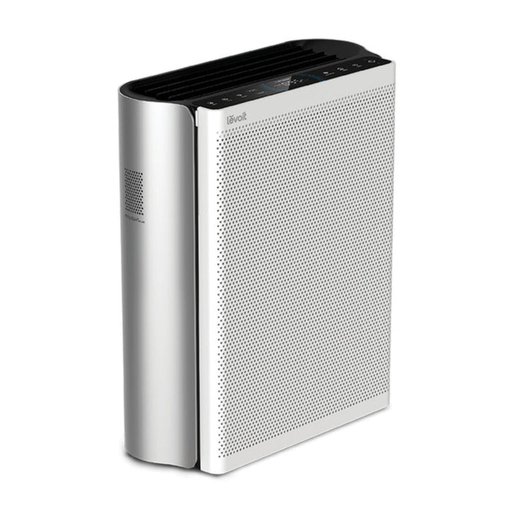
Why it's a great choice: Perfect for lofts, large living rooms, or open-plan homes. This model is built to circulate large volumes of air quickly, making it the ideal solution for a 130m? air purifier without compromising on efficiency.
With its CADR of 612 m?/h, it doesn't just promise wide coverage—it delivers it with a very high air change rate, thus avoiding the pitfall of marketing numbers based on a low ACH.
Ultra-precise particle sensors (PM1.0, PM2.5, PM10) for a responsive auto mode. Washable pre-filter to keep maintenance costs down. Full control via the VeSync app.
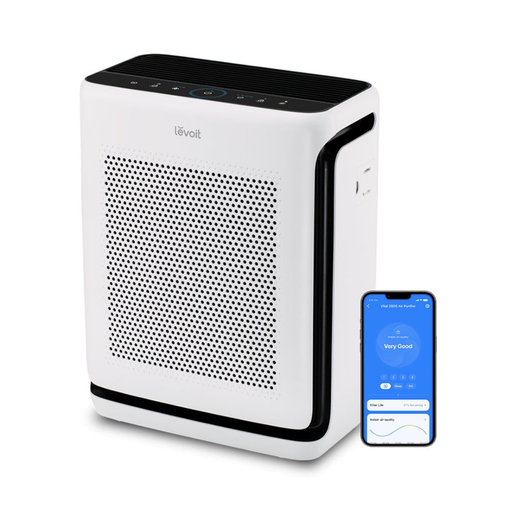
Why it's a great choice: The perfect ally for families concerned about air quality in living areas. Its 425 m?/h CADR is perfectly sized for a large living room or master suite, especially during peak pollen season.
It features 3-in-1 filtration with a true HEPA filter, guaranteeing 99.97% particle capture. This avoids the pitfall of "HEPA-type" filters that don't offer the same level of protection against allergens.
Smart auto mode driven by the air quality sensor. Whisper-quiet sleep mode (23 dB). Compatible with Alexa and Google Assistant.
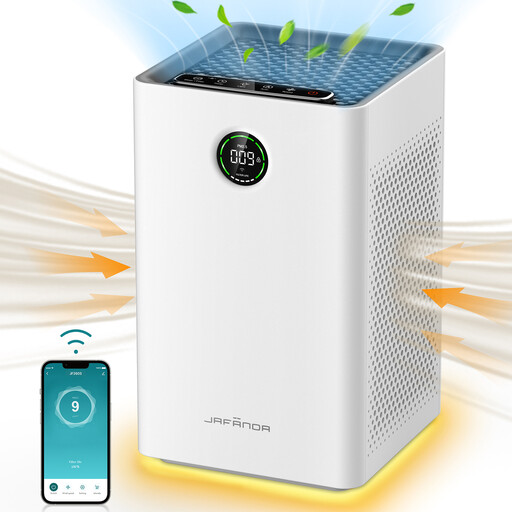
Why it's a great choice: For tech enthusiasts who want to integrate their purifier into their smart home ecosystem. It's perfect for a medium to large office or living room, where remote control and automation make all the difference.
Thanks to its PM2.5 sensor and auto mode, it only runs at full power when necessary. This avoids the trap of basic devices that run continuously, wearing out the filter prematurely and driving up the electricity bill.
App control and voice commands (Alexa, Google Assistant). Real-time display of PM2.5 particle levels. Ultra-quiet sleep mode at 23 dB.
We have curated a complete range of products for you that meet our performance criteria and safety standards.
1. What is the annual running cost of an air purifier? The annual cost depends on two main factors: electricity consumption and filter replacement. A device with a smart auto mode will consume less energy. For filters, check their price and lifespan (typically between 6 and 12 months). The annual cost can therefore range from €50 to over €150, depending on the model and your usage.
2. Where should I place an air purifier in a large room for maximum efficiency? Place the unit in an area where air can circulate freely. Avoid tucking it into a corner, behind a sofa, or behind curtains. Ideally, leave at least 30 to 50?cm of space around it. In a large open-plan space, placing it near the main living area (by the sofa, for example) is an excellent strategy.
3. Is an air purifier really effective against pollen allergies? Absolutely, provided you choose the right one. A model with a HEPA H13 filter and a sufficient CADR for your room can drastically reduce the concentration of pollen in the air. For maximum effectiveness, run it with the windows closed during seasonal peaks.