
Livraison le jour même ou le lendemain

Qualité garantie

Débloquez vos offres de bienvenue: Livraison GRATUITE | Jusqu'à -80 % | 30 jours d'essai gratuits à JoyPlus
Téléchargez l'application
Breathing clean air at home is no longer a luxury, but a genuine concern for many families, especially when dealing with seasonal allergies, dust, and urban pollution. An air purifier seems like the ideal solution, but the market is a jungle of often misleading marketing claims. Before you invest, it's crucial to know how to navigate the pitfalls to make an informed choice that's truly suited to your home and your needs.
As the Head of Product Recommendations at Joybuy, my mission is to help you see things more clearly. Let's forget the dense technical jargon and focus on what really matters. We'll break down the mistakes to avoid and the essential criteria to check.
Many devices boast impressive specs on paper but prove disappointing in practice. Here are three key things to watch out for to ensure you don't regret your purchase.
To choose a high-performance and suitable device, focus on these three objective parameters.
The CADR, or Clean Air Delivery Rate, is expressed in cubic metres per hour (m?/h). It is THE most important measurement for assessing a purifier's ability to effectively clean a room.
This is the heart of the machine: the quality of filtration defines what the device will actually remove from your air. For complete protection, a multi-stage system is often the most effective.
Noise is the non-negotiable comfort criterion. A good purifier should be able to run continuously without getting on your nerves.
Because every home is unique, here is our selection, designed for different uses and budgets, based on performance and practicality criteria.
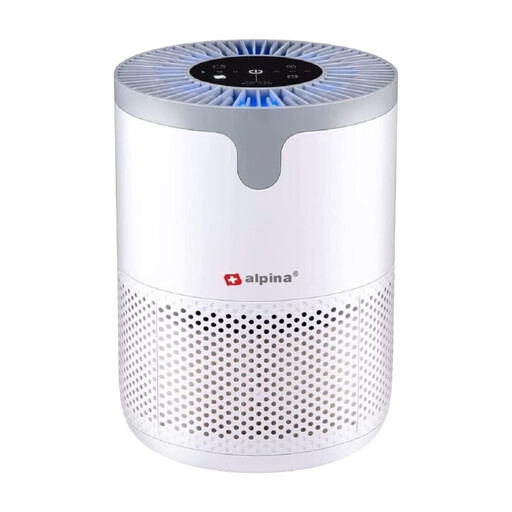
Why we recommend it : Perfect for a bedroom, office, or studio apartment. Its compact size and low power consumption make it a simple and effective solution for improving air quality in a personal space without breaking the bank.
This model is transparent: it's designed for rooms of 5 to 10 m?. It doesn't promise to clean an entire living room, thus avoiding the trap of an overstated coverage area.
Features a HEPA H13 filter, which is formidable against allergens. Its night mode and timer make it very convenient for use in a bedroom.
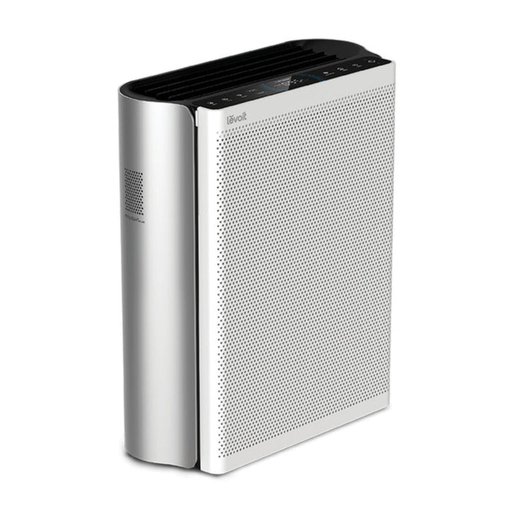
Why we recommend it : Built for large living spaces, open-plan rooms, and families concerned about overall air quality. Its power and smart features make it a comprehensive and ultra-high-performance solution.
Its very high CADR of 612 m?/h justifies its promise to cover large areas. Additionally, its washable pre-filter helps extend the life of the main filter, reducing the long-term cost.
Particle sensors (PM1.0, PM2.5, PM10) with an auto mode that adjusts power in real time. The night mode is very discreet, and control via the mobile app offers total flexibility.
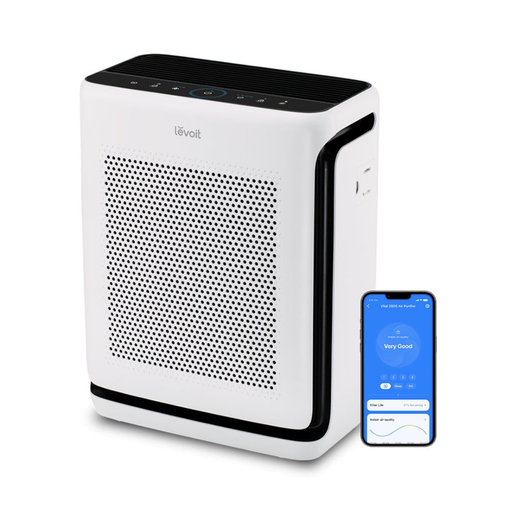
Why we recommend it : An excellent all-rounder for anyone looking for a powerful device for a living room or large bedroom, with the convenience of smart and voice control.
Its night mode noise level drops to 23 dB, making it truly silent. The auto mode adjusts power based on actual pollution, preventing it from running at full (and loud) speed for no reason.
CADR of 425 m?/h, perfect for rooms up to 36 m? (387 sq ft) with very rapid air exchange. Compatible with voice assistants (Alexa, Google Assistant) for voice control.
We've put together a comprehensive selection of products that meet our performance criteria and European safety standards.
The lifespan of an air purifier filter depends on the model, your usage, and the ambient pollution. Generally, a HEPA filter and an activated carbon filter should be replaced every 6 to 12 months. Fortunately, most modern devices make your life easier with an indicator light or a smartphone notification to let you know when it's time. Pre-filters are often washable and just need a simple cleaning every 2 to 4 weeks.
Absolutely. An air purifier equipped with a HEPA H13 (or True HEPA) filter is incredibly effective at capturing airborne allergens, including pollen. By filtering the indoor air, it drastically reduces allergy symptoms (sneezing, itchy eyes, runny nose) for sensitive individuals, especially during seasonal peaks.
For optimal efficiency, place your purifier in the room where you spend the most time: the bedroom or the living room. The golden rule: let it breathe! Ensure there is at least 30 to 50 cm (12 to 20 inches) of free space around the unit so you don't block air circulation. Avoid tucking it into a corner or behind furniture. A pro tip if you only have one: move it between the living room during the day and your bedroom at night.