
Livraison le jour même ou le lendemain

Qualité garantie

Débloquez vos offres de bienvenue: Livraison GRATUITE | Jusqu'à -80 % | 30 jours d'essai gratuits à JoyPlus
Téléchargez l'application
Indoor air quality has become a major concern, and for good reason. Between pollen, outdoor pollution making its way inside, pet dander, and the notorious volatile organic compounds (VOCs) released by our furniture, our homes are often far more polluted than we imagine. The air purifier has emerged as the perfect solution. The problem? The market is flooded with models making vague marketing promises, which can make choosing one a daunting task.
Before you make a purchase, it's crucial to understand the common pitfalls to avoid investing in a device that's as expensive as it is ineffective. Some units promise the world on their spec sheets but prove disappointing once plugged in. Here are the points to watch out for.
To avoid buying blind, rely on objective, data-driven metrics. Three indicators stand out for evaluating a purifier's true performance.
The CADR (Clean Air Delivery Rate) is THE ultimate performance metric. Expressed in cubic meters per hour (m?/h), it measures the volume of clean air the device can deliver in one hour. To choose a suitable model, use this simple calculation:
Required CADR (m?/h) = Room Area (m?) × Ceiling Height (m) × Air Changes per Hour (ACH)
For general use, an ACH of 2 or 3 is sufficient. But for someone with allergies or for an air purifier for a large room, you should aim for an ACH of 4 or even 5.
A good purifier almost always combines three stages of filtration:
Performance is great. But daily user comfort is even better.
Rather than a long, drawn-out list, we've matched specific models to user profiles. The goal: to help you find the device that will truly meet your needs.
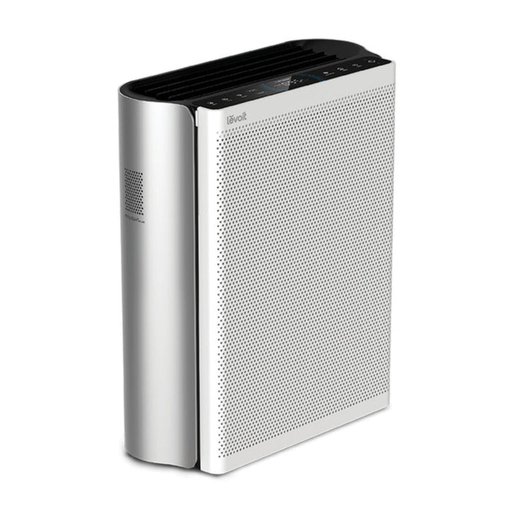
Why it's a match: With its very high CADR of 612 m?/h, it's built for large living rooms, open-plan living areas, or spacious apartments. Its particle sensors (PM1.0, PM2.5, PM10) and auto mode make it the perfect ally for families looking for a "set-it-and-forget-it" solution that's incredibly effective.
Its CADR is clearly specified and powerful enough to ensure multiple air changes per hour in a large area, unlike models that artificially inflate their coverage specs.
Massive 612 m?/h CADR and precise sensors for an intelligent auto mode. Washable pre-filter for easy maintenance.
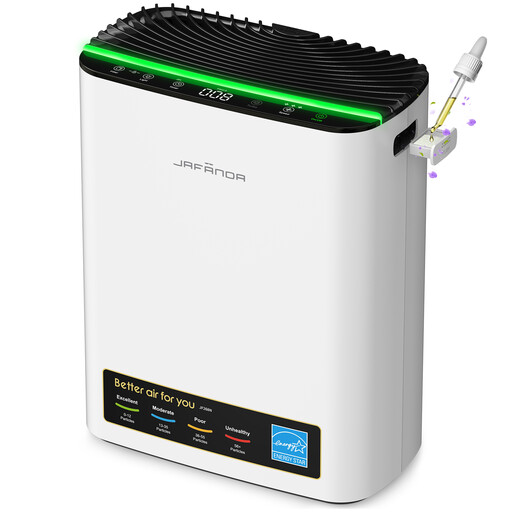
Why it's a match: Its ultra-quiet sleep mode (rated at 20 dB) is its number one feature for ensuring peaceful nights. The True HEPA filter is ideal for capturing common bedroom allergens like pollen and dust mites, while its PM2.5 sensor displays real-time air quality.
It offers a genuinely quiet sleep mode, unlike devices that remain noisy even at low speeds. Its filtration relies on a reliable, certified True HEPA filter, not on meaningless marketing terms.
Very quiet sleep mode (20 dB) and a real-time air quality indicator for total peace of mind.
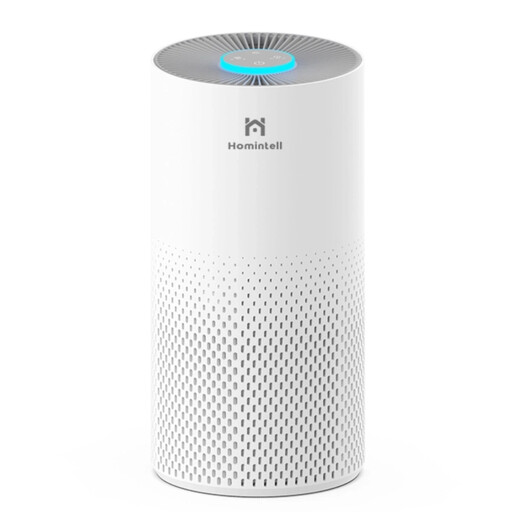
Why it's a match: It provides effective 3-stage filtration (including a HEPA filter) for a small room like a bedroom or office, all at an affordable price. It's an excellent entry point into the world of air purification without breaking the bank.
It advertises a realistic coverage area (up to 18 m?) and uses a standard HEPA filter. It plays the transparency card with honest performance suited to its category, without unrealistic promises.
HEPA efficiency in a compact and affordable package. The timer is a practical bonus for managing its operation.
Discover our full selection of products that meet our demanding criteria and European safety standards.
A filter's lifespan varies by model and usage. On average, a HEPA filter and an activated carbon filter should be replaced every 6 to 12 months. Many devices have an indicator light that tells you when it's time. The pre-filter, on the other hand, is often washable and should be cleaned every 2 to 4 weeks.
For optimal performance, place your purifier in the room where you spend the most time (bedroom, living room). Leave at least 30 to 50?cm of free space around the unit to avoid obstructing the air inlets and outlets. Avoid tucking it into a corner or behind furniture.
To maintain good air quality, it's best to let it run continuously, especially if you are sensitive to allergens. Modern models are designed to be energy-efficient. The automatic mode is the best solution: the device only speeds up when necessary, which optimises both power consumption and noise.