Small portions, cooked often
You usually prepare one meal or side dish at a time. A basket could suit you if your portions fit without needing several batches, and you have room for the appliance in your kitchen.


If your oven or mini oven works well and already fits the dishes you usually cook, don’t add an air fryer by default. It overlaps with many of your oven’s uses, while its basket limits the size and quantity of food you can cook. A single-drawer air fryer may suit you if you often make small portions; a two-drawer model is mainly worth considering if you regularly cook two different foods at once and have enough space to use it.
You usually prepare one meal or side dish at a time. A basket could suit you if your portions fit without needing several batches, and you have room for the appliance in your kitchen.
You regularly cook quiches, pizzas or gratins. In that case, the shape and internal dimensions matter more than the stated capacity alone: check that your dishes will fit the appliance you’re considering.
Your oven or mini oven already meets your needs. The question is whether a new appliance will get enough use to justify the space it takes up, as well as the storage and cleaning involved.
Start with the dishes you cook and the appliance you already own. Then check the space needed for the model you’re considering, including room to open the drawer and the clearances specified in the instructions.
Choose this if: your oven already fits your dishes and you only occasionally need to cook small portions separately.
Bear in mind: you won’t have a second, smaller cooking space dedicated to individual portions.
Choose this if: you often cook a small dish that fits in a basket.
Bear in mind: larger dishes and bigger quantities may mean using another appliance or cooking in several batches.
Choose this if: you regularly need to cook two different dishes at the same time.
Bear in mind: each drawer needs to fit its portion, and the appliance must be within easy reach on your worktop.
Choose this if: you don’t have a usable oven and want to keep cooking in dishes or tins.
Bear in mind: it also takes up worktop space and may duplicate an oven that already meets your needs.
| Criterion | What to check | Which shoppers is it for? |
|---|---|---|
| Space and practical use | Compare what you use your current oven for with the dimensions of the appliance you’re considering. Check the instructions for the required clearances and the space needed to open the drawer. | If my oven already handles everyday meals, I’d rather keep my worktop clear than add another appliance to store and clean. Around 36% of shoppers put avoiding duplication first. |
| Small portions | Check the basket’s surface area and how much you can fit in it without having to cook several batches; capacity in litres isn’t enough on its own. | If I often cook or reheat a small portion, I’m looking for a cooking space suited to that quantity rather than an appliance designed for larger dishes. This is the main priority for around 29% of shoppers. |
| Dish sizes | Measure your usual tins and dishes, then compare them with the internal dimensions and the sizes the model can accommodate. | If I make quiches, pizzas or gratins in my usual dishes, I don’t want to have to scale down every recipe to fit it in a basket. Around 21% of shoppers prioritise this compatibility. |
| Cooking two things at once | Compare the capacity of each drawer with your portions and check that both drawers will be easy to use in the space you have available. | When the main course and side dish need different cooking settings, I want to be able to prepare them at the same time. Around 14% of shoppers say coordinating two dishes is their priority. |
UFC-Que Choisir points out that an air fryer takes over some of the oven’s functions and can clutter a kitchen when added to the appliances you already have.
Think about the dishes you’ve made recently. If your oven can fit them and you only rarely need to cook small portions separately, your current appliances may be all you need.
Another appliance also takes up space when in use or in storage, and needs cleaning.
The stated capacity doesn’t guarantee that a quiche, tin or your usual portion will fit in the basket. UFC-Que Choisir’s testing protocol takes the dimensions and the quantity of food added into account.
Measure your dishes and compare them with the usable dimensions and fill limits given for the exact model.
If the size isn’t right, you may have to cook in several batches or use smaller tins.
Separating two dishes can make it easier to organise a meal, but it doesn’t, by itself, reduce the space the appliance takes up.
Only choose this configuration if you often cook two different foods. Measure the space available and check the instructions for the required clearances.
Allow enough room to open and handle the drawers, too.
Any comparison of energy use depends on the recipe, quantity and appliances being compared. A test result won’t reflect every meal you cook at home.
First consider how often you make small dishes and whether a second appliance would be useful, rather than replacing a suitable oven based on a general claim alone.
Moulinex offers mini ovens and two-drawer air fryers, giving you the option to compare a space for dishes with separate compartments.
Philips’ range includes two-drawer air fryers designed to cook different dishes.
Ninja is an air fryer brand worth considering if you’re looking at this option rather than a mini oven.
These models illustrate the three types of appliance under consideration: a single-drawer air fryer, a mini oven and a two-drawer air fryer. Compare them with what your oven can already do before making space for another appliance.
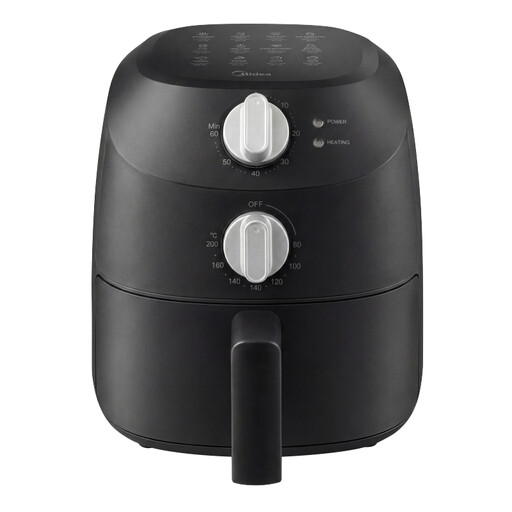 Image unavailable
Worth considering if you mainly cook small portions in a single basket. The product name states a capacity of 2 L, a power rating of 1150 W and a 60-minute timer. Check that your portions fit in the basket and that the dimensions and required clearances suit your kitchen.
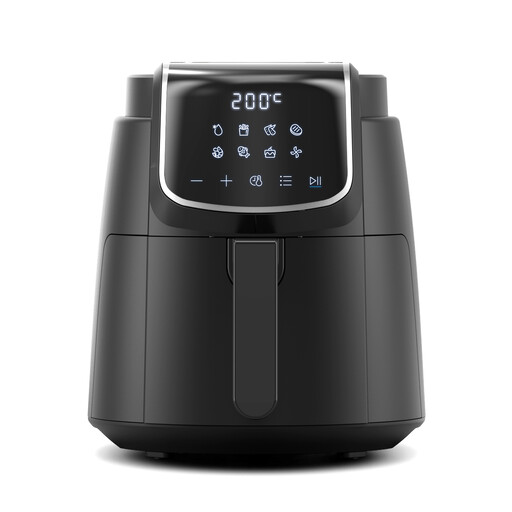 Image unavailable
This other single-drawer option is worth comparing with your usual portions before choosing between the two Midea sizes. The product name states a capacity of 4 L, 1500 W, eight pre-set modes and a temperature range of 35 to 200 °C. Check the basket’s usable dimensions, as well as the space and clearances needed for installation.
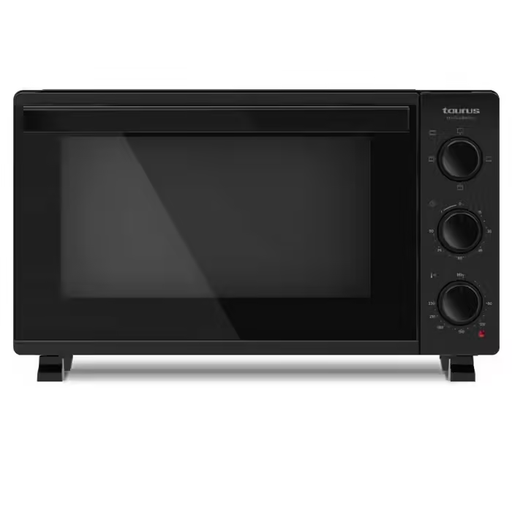 Image unavailable
Consider this if you need a worktop oven rather than a basket, particularly if you don’t have a usable oven. Its stated capacity is 23 L, but you should still measure your dishes and check the model’s internal dimensions and required clearances. If your current oven already fits those dishes, this mini oven may duplicate what you have.
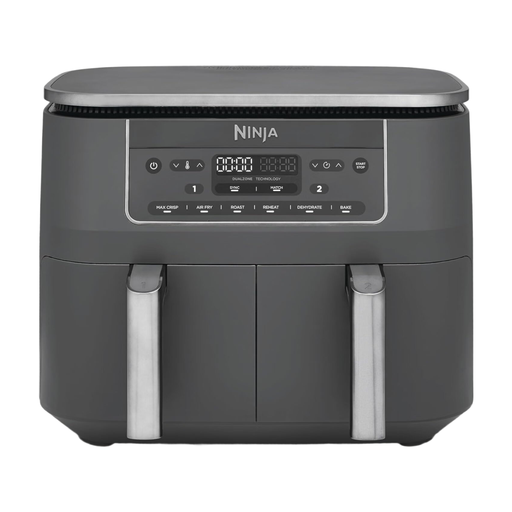 Image unavailable
The two drawers are most useful if you regularly need to cook two different foods at once. The product name states a total capacity of 7,6 L and six functions; check that each drawer can fit the portion you have in mind. Also measure the space needed to open the drawers and allow for the clearances specified in the instructions.
It can handle some types of cooking, but it won’t necessarily accommodate the sizes you already use. If you often make quiches, pizzas or gratins in large dishes, compare their dimensions with the cooking space before considering a replacement.
No: the basket’s shape and the amount it can hold matter too. In its testing protocol, UFC-Que Choisir uses, among other things, a quiche no more than 16 cm in diameter and limits how full the basket can be for chips. So compare the usable surface area and height with your own portions.
They’re most useful if you regularly cook two different foods at once. Make sure each drawer is suitable for its portion and that you can open both without getting in the way of using your worktop.
Check the dimensions, the space needed to open the door or drawers, and the clearance instructions for the specific model. For an appliance intended for the European market, France’s DGCCRF explains that the CE mark indicates the manufacturer’s commitment to meeting the applicable requirements; it isn’t a quality mark.
If it still works, consider continuing to use it or passing it on. If you need to dispose of an appliance, find out where your local collection points are. According to the French Ministry for Ecological Transition, the « 1 pour 1 » take-back scheme at retailers is linked to buying an appliance of the same type.