
Livraison le jour même ou le lendemain

Qualité garantie

Débloquez vos offres de bienvenue: Livraison GRATUITE | Jusqu'à -80 % | 30 jours d'essai gratuits à JoyPlus
Téléchargez l'application
The idea of giving your child an interactive companion is certainly appealing. An AI-powered smart rabbit promises to spark their curiosity, enrich their language skills, and perhaps even offer a welcome break from screens. The problem is, the market is flooded with models that make enticing marketing promises but often deliver disappointing performance. Our mission is to help you see things more clearly. Here are the pitfalls to avoid and the essential criteria for making the right choice.
Navigating the jungle of connected toys is no easy task. Too many parents invest in a product that ultimately ends up gathering dust on a shelf. Here’s why:
To ensure the toy lives up to its promises, scrutinize these three essential technical points.
The mention of "AI" or "ChatGPT toy for kids" means the companion can generate real-time responses. This is an impressive feature, but it raises significant security questions.
A good interactive companion shouldn't rely solely on its internet connection. The onboard content is what guarantees hours of autonomous play.
A toy intended for a child aged 3 and up must be designed to withstand almost anything.
Rather than an endless list, here are three options that cater to distinct profiles, keeping in mind the criteria we've just discussed.
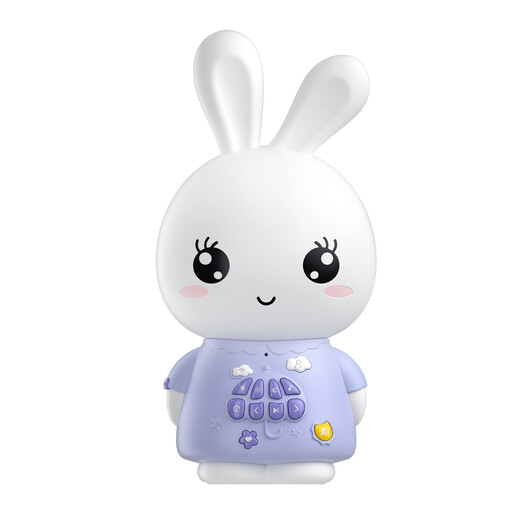
WHY IT'S A MATCH: This model is for tech-savvy parents looking for a cutting-edge learning experience. The ChatGPT integration ensures fluid conversations, and its support for 91 languages makes it a powerful tool for linguistic development.
It sidesteps the limited content pitfall with a vast pre-loaded library (rhymes, stories, music) and its conversational AI. The support for 91 languages is a reality here, not just a marketing gimmick.
The combination of a high-performance conversational AI and rich onboard educational content. The parent recording function is a real bonus for strengthening the emotional bond.
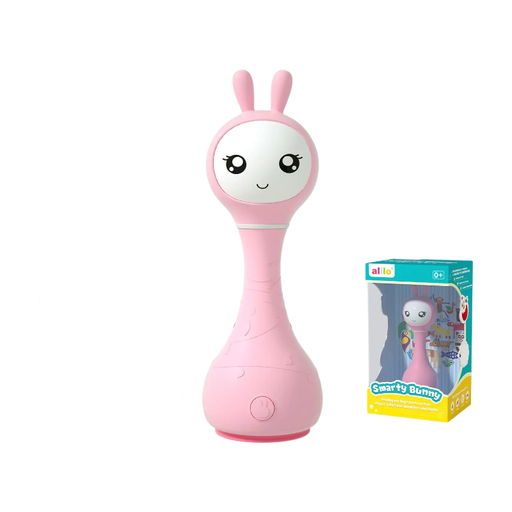
WHY IT'S A MATCH: Ideal as a very first interactive toy for the youngest children (from birth). It focuses entirely on sensory development (music modes, sounds, color recognition) without the complexity of an AI. An excellent, simple, and effective **gift for a 3-year-old** (and under).
This smart rattle is 100% self-contained. No Wi-Fi, no AI, no subscription. The features are crystal clear and the content is fully integrated, which prevents any unpleasant surprises.
Its simplicity and safety, designed for toddlers. The silicone ears are made to be chewed on, and the color recognition feature is an excellent tool for early development.
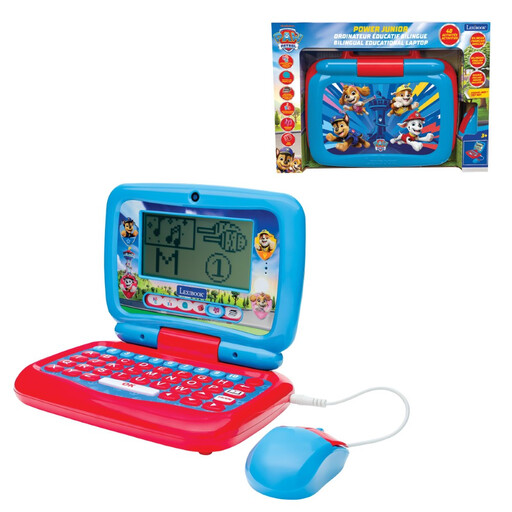
WHY IT'S A MATCH: For parents who prefer structured learning over open-ended conversation with an AI. This laptop format is a reassuring classic, and the Paw Patrol license is a major asset for capturing a child's attention.
This product is the antithesis of the subscription trap. It comes with 100 well-defined activities (50 per language) right out of the box. Zero hidden costs, zero connection required.
Structured bilingual learning (French/English) across various themes (language, math, logic). The laptop format with a keyboard and mouse introduces children to the digital tools of tomorrow.
We have curated a comprehensive list of products that meet our strict selection criteria and current safety standards.
Most toys with conversational AI, like the alilo smart rabbit, connect via Wi-Fi to an external service (often based on ChatGPT technology) to analyze the child's question and formulate a response. Good models, like those in our selection, generally do not require a subscription for this feature. However, it is still essential to check the manufacturer's terms and conditions before purchasing.
No, and this is a crucial point. A good smart toy is a hybrid. A Wi-Fi connection is required for real-time AI functions (conversation, questions). However, all the pre-loaded content (stories, songs, lullabies) works perfectly offline, which is ideal for travel or simply to limit exposure to radio waves.
Although some models can be used much earlier for their night light or music box functions, the AI conversation capabilities become truly relevant from age 3 onwards. This is the age when children start to ask endless questions and can really benefit from an interactive talking robot to develop their vocabulary and curiosity. Before that, a simpler toy focused on sounds and colors is often a wiser choice.