What should you check before buying?
When choosing a chocolate bar for a child’s after-school snack, start with the portion you’ll serve, then check the nutritional information and allergens for that specific product.
| What matters | What to check | Who is this for? |
|---|
| Energy in the portion |
Weight of one bar and kcal per bar; if that information isn’t available, check the kcal per 100 g and the weight of the bar. |
If I’m serving a whole bar, I want to know the energy in that portion, not just in 100 g of the product; around 33% of consumers are said to prioritise checking kcal per bar. |
| Sugars and saturated fat |
The ‘of which sugars’ and ‘of which saturates’ figures; the Nutri-Score, if shown, when comparing similar products. |
When choosing between two bars in the same category, I want to compare their nutritional profile as well as their kcal; around 27% of consumers are said to put this first. |
| Variety at snack time |
How the bar fits into your usual snacks and whether you can put together a snack with a range of foods. |
When snacks are a regular part of the routine, I’d rather vary the foods than always rely on a bar; this is said to be the top priority for around 20% of consumers. |
| Allergens |
Highlighted allergenic ingredients and any ‘may contain’ warnings on the packaging you buy. |
If a child has a known allergy, I need to choose a product that fits their specific requirements; around 20% of consumers are said to prioritise checking allergens. |
Bars and formats available on Joybuy
This selection includes chocolate bars in different formats, as well as a fruit and nut bar coated in chocolate. For an after-school snack, choose according to the portion you’ll serve and the label on the product you buy.
 Image unavailable
Nestle KitKat Strawberry Short Cake, 9 pieces (104.4 g)
If you’d like to serve one small piece at a time, this pack of nine makes it easy to distinguish the portion from the total pack contents. The format doesn’t prove that it’s low in calories: compare the nutritional information and check the allergens on the packaging.
View on Joybuy
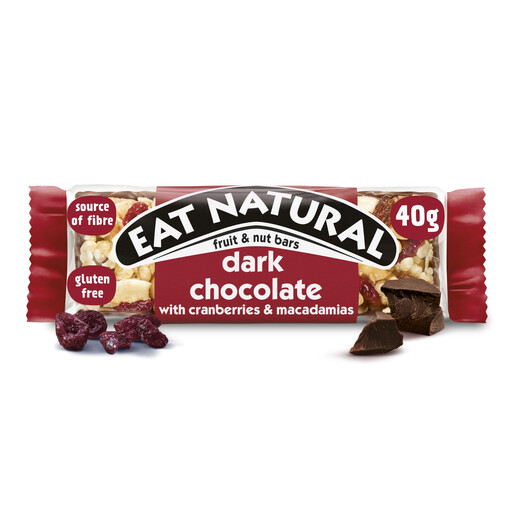 Image unavailable
Eat Natural Cranberry Dark Chocolate, 40 g bar
Worth considering if you’re looking for a fruit and nut bar coated in chocolate rather than a classic chocolate bar. Compare the nutritional information for this 40 g portion and check the allergens before choosing it for a child.
View on Joybuy
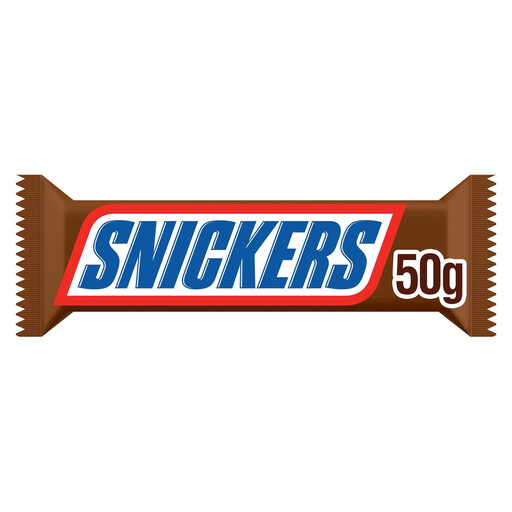 Image unavailable
SNICKERS peanuts, caramel and milk chocolate, 50 g
If you’re serving a whole bar as an after-school snack, take the 50 g portion into account before comparing its kcal with those of a smaller format. Check the sugars and allergens on the packaging too; the weight of this bar doesn’t mean it can be described as reduced-calorie.
View on Joybuy
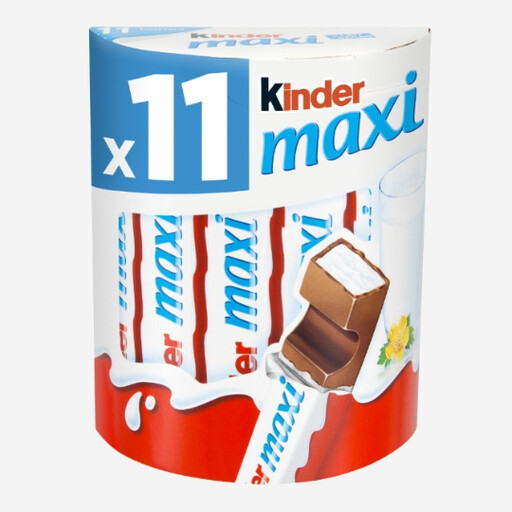 Image unavailable
Kinder Chocolate Maxi, 11 bars (231 g)
The pack contains 231 g across 11 bars. If you’re serving just one, compare the energy in that bar rather than in the whole pack. Check the sugars and allergens for the product you buy too.
View on Joybuy
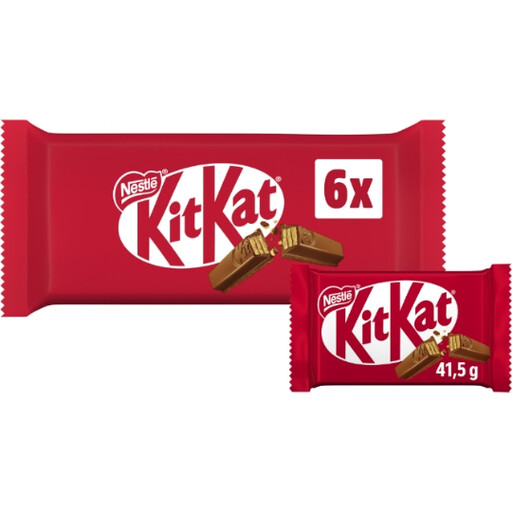 Image unavailable
KitKat milk chocolate, 6 × 41.5 g
If you’re serving a whole bar, compare the energy in its 41.5 g portion with that of the other portions you’re considering. Check the sugars, saturated fat and allergens for this pack: values for another KitKat product aren’t interchangeable.
View on Joybuy
Frequently asked questions
Is the Nutri-Score compulsory on chocolate bars in France?
No. Santé publique France says displaying it is voluntary; the nutritional declaration is the information that must be provided. If the Nutri-Score appears on the product, use it to compare similar products, but don’t rely on it alone to decide what portion to serve.
Does France’s tax on sugary drinks apply to chocolate bars?
No, not to a chocolate bar as a solid product. The text published by Légifrance covers, subject to its conditions, drinks and liquid preparations for drinks intended for human consumption. It’s therefore not a factor to consider when choosing between these bars.
How can you tell if a bar is genuinely ‘reduced in calories’?
Don’t rely on the word ‘mini’ or on kcal per bar alone. Under the European regulation published on EUR-Lex, a reduced-energy claim requires a reduction of at least 30% and an indication of what has led to that reduction. Check the comparison with the stated reference product before describing it this way.
What should you read on the label if a child has an allergy?
Check the highlighted allergenic ingredients and any ‘may contain’ warnings for the exact product every time you buy it. Depending on the product, the bars mentioned here may contain or flag milk, wheat, soya, egg, peanuts or tree nuts. Follow the guidance for the child’s specific allergy.
Should you choose a chocolate bar for an everyday after-school snack?
For a regular snack, Manger Bouger recommends varying the foods you offer and limiting foods high in fat and sugar. Its suggestions include bread with a few squares of chocolate and a piece of fruit; a wrapped bar is more suited to times when convenience matters.


