For an after-dinner infusion with a bold flavour, start by choosing the taste you’re looking for: a recipe led by liquorice for distinctive sweet notes, or one led by mint for a fresher taste. Ingredient proportions can help you decide, but they don’t tell you how strong the infusion will taste in the cup. Check the brewing instructions too, and if the recipe contains liquorice, take note of the precautions around consuming it.
Who are these infusions for?
Fans of pronounced liquorice and mint
If you’re looking for an after-dinner cup with sweet, distinctly liquorice notes, look for recipes where liquorice takes centre stage. Remember to take account of the precautions associated with this ingredient too.
Fans of a fresh, minty taste
If you’d rather have mint take the lead, check which plant comes first in the ingredients list. A recipe can still contain liquorice even when mint is the main ingredient.
Anyone keeping an eye on what they drink in the evening
If you want to check for liquorice, tea or maté, rely on the full ingredients list rather than just the ‘wellbeing’ claim on the packaging.
What should you look for before buying?
For a full-flavoured after-dinner cup, start with the main ingredient, then check the brewing instructions and any ingredients that need particular attention.
| What to consider |
What to check |
Who it’s for |
| Liquorice notes |
Where liquorice appears in the ingredients list and its proportion, if stated; the brewing instructions for your chosen recipe. |
I want a pronounced liquorice sweetness after dinner, without treating an ingredient percentage as a measure of how strong the infusion will taste. Around 44% of consumers prioritise this liquorice-led profile. |
| Fresh, minty taste |
Where mint appears and its proportion, if stated, as well as whether the blend contains liquorice. |
To finish my meal on a fresher, less sweet note, I look for a recipe where mint takes the lead. This freshness is the top priority for around 33% of consumers. |
| What’s in your evening infusion |
The full ingredients list, particularly for liquorice, tea and maté; any warnings on the packaging. |
Before making this infusion part of my evening routine, I want to know exactly what it contains and take any warnings into account. Checking the ingredients comes first for around 23% of consumers. |
Mistakes to avoid
-
Assuming ‘extra strong’ is a precise measure
A high proportion of liquorice describes the recipe, not how strong it will taste to everyone in the cup. Recommended brewing methods also vary from product to product.
Compare the main ingredient and, if shown on the packaging, the proportions, volume of water and brewing time.
-
Overlooking liquorice if you drink it regularly
Anses warns that consuming large amounts of liquorice repeatedly can lead to hypokalaemia and high blood pressure, among other effects. It also highlights certain situations where people may be more susceptible, as well as interactions with medicines.
Check the packaging for liquorice and any warnings. If you have concerns because of your circumstances or medication, speak to a healthcare professional before making it a regular part of your routine.
-
Relying solely on the term ‘wellbeing infusion’
Products sold as wellbeing infusions may contain green tea or maté: the category name doesn’t tell you what’s in each recipe.
When choosing an evening cup, check the ingredients for the specific product.
Brands to compare
Kusmi Tea
Kusmi Tea describes Be Cool as an organic infusion with verbena, mint and liquorice.
- A blend to consider if you prefer herbal notes to a recipe led mainly by liquorice.
- It still contains liquorice, and describing it as an evening infusion doesn’t prove that it affects sleep.
Lipton
Saveurs du Soir Grand Sud Menthe et Réglisse is for anyone looking for a liquorice-led flavour.
- According to Auchan’s product listing, this recipe contains 71% liquorice and 23% mint.
- These proportions don’t measure how strong it will taste in the cup; the precautions around liquorice apply too.
Auchan Bio
Réglisse Menthe Bio gives you another liquorice-led blend to compare.
- According to Auchan, this recipe contains 71.5% liquorice and 28.5% spearmint. The recommended brewing time is 3 to 5 minutes in 200 ml of simmering water, depending on how strong you like it.
- The label advises people with high blood pressure to avoid excessive consumption.
Carrefour
Carrefour’s range includes recipes such as Réglisse Menthe, Après Repas Digestion and Sommeil Bio.
- These names make it easy to spot different profiles to compare by checking their ingredients.
- A category or recipe name is no substitute for checking the details of the product you choose.
Éléphant
Digestion Légère Bio includes peppermint, liquorice and verbena, with mint as the main ingredient.
- According to Auchan’s product listing, this recipe contains 65% peppermint and 11% liquorice, making it a better fit for a minty profile than one led mainly by liquorice.
- It still contains liquorice, and the recipe name doesn’t prove that it aids digestion.
Infusions to consider on Joybuy
These products let you compare liquorice-and-mint blends with a mint, aniseed and verbena infusion for an after-dinner cup. Choose based on the ingredients listed and any precautions that apply to you, rather than assuming all the recipes will taste equally strong.
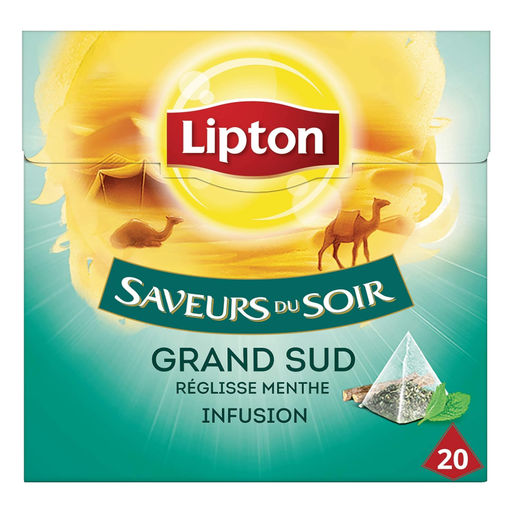 Image unavailable
Lipton Ice Tea South Africa Licorice Mint, 20 sachets
Worth considering if you’re looking for an after-dinner infusion that combines liquorice and mint.
This recipe contains liquorice, so bear the precautions in mind if consuming it in large amounts repeatedly. Check the brewing time on the packaging for this product.
View on Joybuy
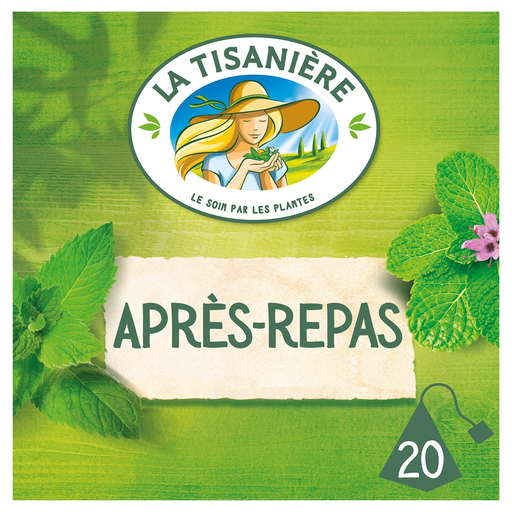 Image unavailable
LA TISANIERE Aniseed Mint Verbena, 20 sachets
Worth considering if you prefer a blend of mint, aniseed and verbena after a meal.
If you’re keeping an eye on your liquorice intake, check the full ingredients list and any warnings on the packaging.
View on Joybuy
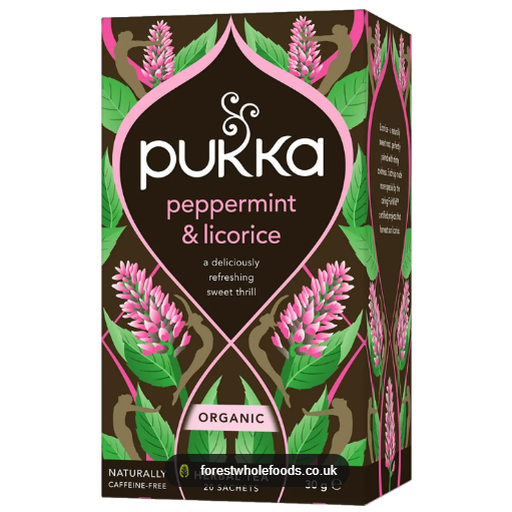 Image unavailable
PUKKA Peppermint & Licorice, 20 sachets
Worth considering if you’d like both peppermint and liquorice in your evening cup.
As it contains liquorice, bear the precautions around consuming it in large amounts repeatedly in mind. Follow the brewing instructions on the packaging.
View on Joybuy
Frequently asked questions
Will an infusion described as ‘strong’ necessarily taste full-bodied?
No. This description alone doesn’t give you a comparable measure of flavour intensity. To choose between a liquorice-led and a mint-led blend, check the ingredients and their proportions if these are stated, then follow the brewing instructions for that recipe.
What should I check before drinking liquorice infusion regularly?
Check whether liquorice is listed as an ingredient and read the warnings on the packaging. Anses says that consuming large amounts of liquorice repeatedly can lead to hypokalaemia and high blood pressure, among other effects. It highlights particular care for pregnant or breastfeeding women, children and people with cardiovascular, kidney or liver problems, as well as interactions with certain medicines. If you’re unsure because of your circumstances or medication, speak to a healthcare professional.
Can I make my infusion taste stronger by brewing it for longer?
Start with the brewing time and volume of water recommended for your product: instructions vary from one recipe to another. Brewing it for longer without checking the instructions won’t guarantee the taste you’re looking for.
Does the ‘wellbeing’ claim guarantee a recipe is free from tea and maté?
No. Some products in this category contain green tea or maté. If you want to avoid either, check the ingredients list on the specific box.


