Fans of an after-dinner coffee
If you’d like a hot drink after dessert without the usual sources of caffeine, start with a rooibos blend explicitly labelled caffeine-free, and check its other ingredients too.


For an after-dinner coffee, rooibos explicitly labelled caffeine-free is a straightforward option to check: make sure the blend contains no tea, yerba mate or guarana. If you’d prefer a more aromatic herbal tea or want to keep the taste of tea, check the exact ingredients. In the latter case, look for an explicit decaffeinated label. Some after-dinner blends also contain liquorice.
If you’d like a hot drink after dessert without the usual sources of caffeine, start with a rooibos blend explicitly labelled caffeine-free, and check its other ingredients too.
If you’d prefer mint, lemon or ginger to a tea-like flavour, compare herbal blends. Twinings describes its mint, fig, lemon and ginger recipe as an after-dinner infusion; be sure to check whether it contains liquorice.
If herbal tea or rooibos doesn’t quite hit the spot, look for a tea explicitly labelled ‘decaffeinated’. Ordinary tea doesn’t become decaffeinated just because you serve it after dinner.
For an after-dinner coffee, start by deciding what matters most to you: the ingredients, how well it pairs with dessert or how it’s served. The Anses notes that caffeine can affect how easily you fall asleep, as well as the length and quality of your sleep.
| What to consider | What to check | Who this matters to |
|---|---|---|
| Sources of caffeine | Look for tea, yerba mate and guarana in the ingredients. For rooibos, check for a ‘caffeine-free’ label and read the blend’s ingredients. | I want to avoid ingredients that are sources of caffeine in the drink I have in the evening. Around 36% of consumers put this need first. |
| After-dinner flavour | Compare the herbs and flavours listed, particularly mint, lemon and ginger, with the taste you’d like after dessert. | After a few sweet bites, I prefer to finish with a fresh or spicy flavour. This after-dinner taste is said to be the top priority for around 29% of consumers. |
| Pairing with desserts | Choose between a simple rooibos blend and a flavoured blend, depending on how much you want the drink to complement your desserts. | When desserts have a range of flavours, I want a drink that won’t overpower them. Around 21% of consumers are said to put this pairing first. |
| Ingredients and batch | Check for liquorice, especially if you plan to drink this herbal tea regularly. If a box is affected by a recall notice, compare its GTIN, batch number and best-before date with the notice. | Before serving a box, I want to know exactly what it contains and whether its batch is affected by a notice. Around 14% of consumers are said to prioritise this check. |
The word ‘infusion’ doesn’t tell you exactly what’s in a product: one blend listed by E.Leclerc contains green tea, yerba mate and guarana.
Read the ingredients if you want to avoid these sources of caffeine. If you want to keep the taste of tea, look for an explicit decaffeinated label rather than relying on the word ‘infusion’ alone.
Some after-dinner herbal teas contain liquorice. According to the Anses, excessive consumption can cause a drop in blood potassium levels and high blood pressure, among other effects.
Check the ingredients, particularly if you plan to drink it regularly. If you have high blood pressure, take medication or have a health-related concern, seek advice suited to your circumstances.
A recall applies to specific products and batches; it doesn’t automatically cover every herbal tea sold by a retailer. A recall published by RappelConso in August 2024 covered specific batches of a Carrefour BIO herbal tea.
If a notice affects your product, compare the GTIN, batch number and best-before date on the box with the RappelConso notice before following its instructions.
These examples can help you identify different types of blends. A brand or retailer name alone doesn’t tell you what’s in a particular box.
An option for anyone looking for a herbal tea with fresh notes to enjoy after dessert.
A range to explore for herbal teas, including verbena blends.
A retailer where you can compare rooibos products labelled caffeine-free.
A retailer where you can compare herbal teas, rooibos and blends containing tea.
A brand offering teas and herbal infusions, with each blend best considered individually.
These products include rooibos and herbal infusions to enjoy with dessert. Two are designed to be brewed cold, so if you’re after a hot drink, check the preparation instructions on the box. For any product, check the ingredients if avoiding caffeine or liquorice is important to you.
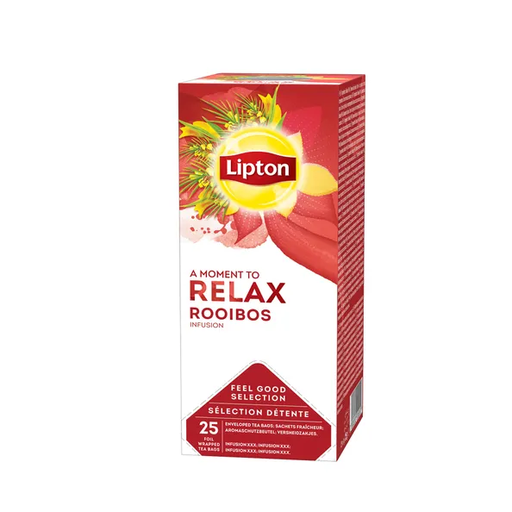 Image unavailable
Worth considering if you’d prefer rooibos with dessert rather than a spicy herbal infusion.
Pack size: 25 tea bags. Check the ingredients and preparation instructions on the box.
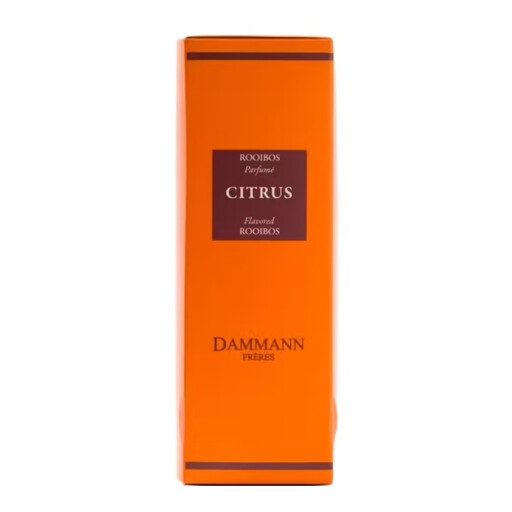 Image unavailable
An option to explore if you’d like a citrusy rooibos after dessert.
Pack size: 24 tea bags, 48 g. Check the exact blend and labelling before serving this infusion.
 Image unavailable
Worth considering if you’re after a ginger herbal tea rather than rooibos with dessert.
Pack size: 36 g. This blend contains liquorice, so bear that in mind, particularly if you plan to drink it regularly.
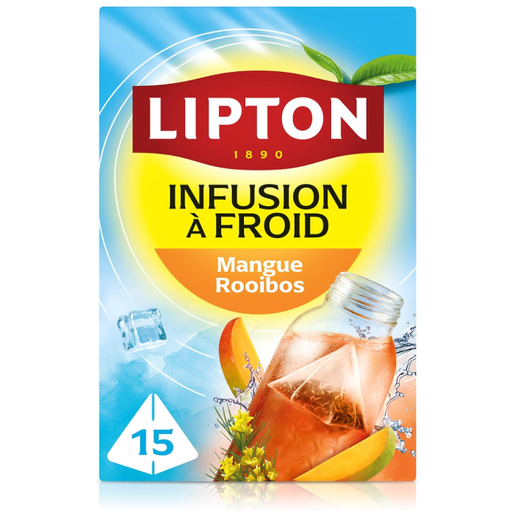 Image unavailable
A cold drink with rooibos and mango flavours to enjoy with dessert.
Pack size: 15 tea bags. This product is designed for cold brewing, not for serving as a hot drink.
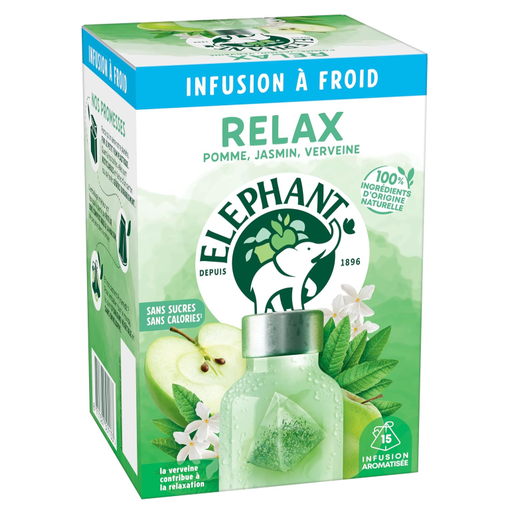 Image unavailable
Choose this for a cold drink after dessert if it suits your after-dinner coffee better than a hot cup.
Pack size: 15 tea bags. Check the ingredients list if you’re looking to avoid a particular ingredient.
No. The word ‘infusion’ doesn’t guarantee a blend is free from ingredients that are sources of caffeine: one product listed by E.Leclerc contains green tea, yerba mate and guarana. Check the ingredients of the product you plan to serve.
Rooibos explicitly labelled caffeine-free is an easy option to check if you want to avoid the usual sources of caffeine. If you’d prefer something fresher or spicier, compare herbal blends, then check their ingredients and preparation instructions.
Yes, some blends do. The Anses warns of risks linked to excessive liquorice consumption, including high blood pressure. Check the label, and seek advice suited to your health needs if necessary.
Start by checking the ingredients list and allergen information. According to the European Union’s official Your Europe portal, this information is part of the labelling required for prepacked food. It can help you identify tea, yerba mate, guarana or liquorice, depending on what you’re looking for.
No, you need to identify the products covered by the notice. The recall of a Carrefour BIO herbal tea published by RappelConso in August 2024 applied to specific batches and best-before dates. Compare these details with those on your box and follow the instructions for its batch.