Anyone filling small compartments
If your calendar is reusable or homemade, measure its compartments before choosing your bars. Weight tells you the portion size, not the length or thickness of the wrapper.


To fill an Advent calendar, choose a bar whose individual wrapping and outer dimensions you can confirm: weight alone won’t tell you whether it will fit in a compartment. Then compare the sugars per 100 g and the actual serving size, and check the allergens on the packaging of the specific product you choose.
If your calendar is reusable or homemade, measure its compartments before choosing your bars. Weight tells you the portion size, not the length or thickness of the wrapper.
To compare two recipes, start with the sugars listed per 100 g, then check the weight of each bar and the nutritional values per serving, where shown on the packaging.
Milk, nuts, wheat or soya may be present in the recipes you’re considering. Check the label on each product: the DGCCRF reminds consumers that allergens in prepacked foods must be clearly emphasised.
Start with what determines whether the bars will work in your calendar—the available space and packaging—then compare the ingredients of the products that fit.
| Criterion | What to check | Who is this for? |
|---|---|---|
| Space in the compartments | Measure a compartment and compare its dimensions with those of the wrapper; check that each bar is individually wrapped. | If my compartments are narrow, I need to know whether the wrapper will fit before choosing a portion. Around 31% of consumers prioritise this fit. |
| Sugars and portion size | Compare the sugars per 100 g, then check the weight of each bar and the values per serving, if listed. | When choosing between several bars, I want to distinguish their sugar content from the amount in each serving. This is the first comparison for around 31% of consumers. |
| Allergens | Read the highlighted ingredients and any ‘may contain’ statements on the exact product packaging. | If someone receiving the calendar needs to avoid an allergen, the exact recipe determines which bars are suitable. This is the top priority for around 23% of consumers. |
| Texture and recipe | Tell hazelnut bars apart from milk chocolate-coated wafers. | If I can choose between several recipes that fit my calendar, I prefer to decide on the texture first. Around 15% of consumers prioritise this choice. |
In France, the Nutri-Score is optional, as the DGCCRF explains. If it’s not shown, you still need to read the nutritional information for a prepacked food.
Compare the sugars and fat per 100 g in particular. If a Nutri-Score appears on the products you’re considering, use it as extra information, but don’t rely on it alone to decide whether a bar suits your needs.
A 33 g or 45 g bar may still be too long or too thick for your compartment.
Measure the length, width and depth of a compartment, then check the outer dimensions of the individual wrapper before planning to buy several bars.
These recipes don’t have the same texture or necessarily the same allergens. The milk chocolate KitKat bar described by KitKat France is a coated wafer, while the Lindt and Côte d’Or products mentioned here are hazelnut recipes.
Choose the recipe you want, then check the allergens on the exact product, including any warnings about traces.
The French tax contribution cited in the Official Bulletin of Public Finances applies to non-alcoholic drinks containing added sugars or sweeteners, not solid chocolate bars.
To compare bars, check their format, ingredients, allergens and the sugars listed in the nutritional information instead.
The NOCCIO and NUXOR bars are two Lindt milk chocolate and hazelnut recipes.
A milk chocolate and hazelnut bar to consider if individual wrapping is a deciding factor.
An option to consider if you’re looking for a milk chocolate-coated wafer rather than a hazelnut recipe.
The brand offers, among other products, Alpine milk chocolate-coated wafer recipes.
This selection includes an individual bar and multipacks of milk chocolate bars. If you’re filling separate compartments, check how each bar is packaged and the dimensions of its wrapper before choosing.
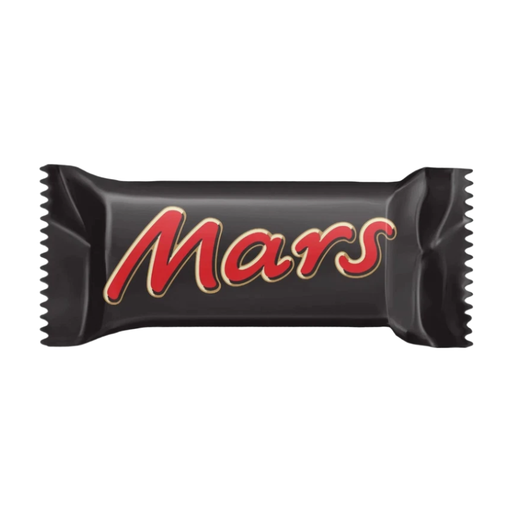 Image unavailable
This individual bar may suit you if you want to put a separate portion in the calendar. Before choosing it, compare the dimensions of its wrapper with those of a compartment and check the allergens on the label.
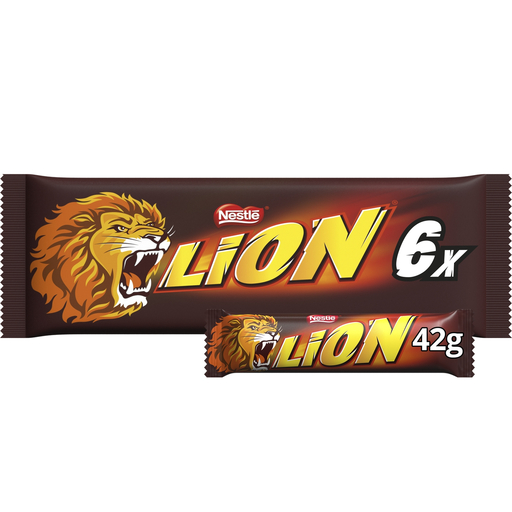 Image unavailable
This pack gives you the option of adding several portions to your calendar. Check that all six bars are individually wrapped, then check the wrapper size and the allergens for the product you choose.
 Image unavailable
This pack could give you three portions, if each bar is packaged in a way that suits your calendar. Before buying, check the packaging of each bar, how much space it takes up and the list of allergens.
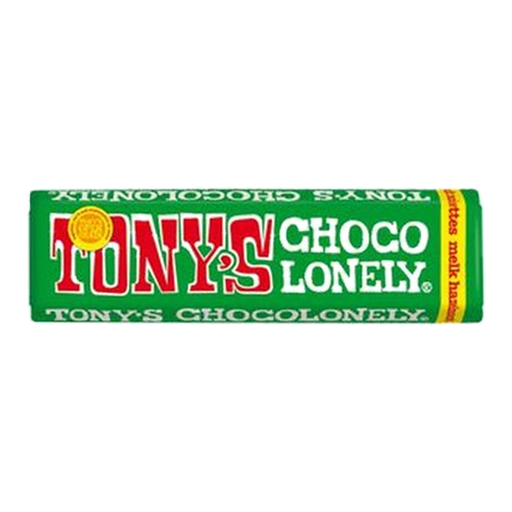 Image unavailable
This bar is a good match if you prefer milk chocolate with hazelnuts. To use it in a calendar, check its packaging and dimensions; if you need to avoid an allergen, check the label too.
No. The scope described in the Official Bulletin of Public Finances covers non-alcoholic drinks containing added sugars or sweeteners, not solid chocolate bars. For a bar, check the sugars in the nutritional information.
No, the Nutri-Score is optional in France, according to the DGCCRF. For a prepacked food, check the nutrition declaration, which lists sugars, fat, protein and salt, among other things.
Read the label on the exact product, including highlighted allergens and any ‘may contain’ statements. The recipes you’re considering may differ in whether they contain milk, nuts, wheat or soya; the name of the bar is no substitute for checking the full ingredients list.
Measure the inside length, width and depth of the compartment, then compare these with the outer dimensions of the individual wrapper. A weight of 33 g, 35 g or 45 g tells you about the portion, but on its own it can’t confirm whether the bar will fit.